Identity and Residency
Lenders typically ask that you're 18 or older, live in the U.S. and can show a government-issued ID and a Social Security number, so they can confirm who you are. Some lenders accept an ITIN instead.

Paying off high-interest cards, covering a major repair or financing a move to Bozeman? A Montana personal loan gives you the funds in one lump sum and lets you repay them on a set schedule.
A personal loan in Montana is borrowed money you can use for many different needs and repay according to a schedule you agree on with the lender. Montana law provides specific protections for loans made by state-licensed consumer lenders, including a 36% annual interest-rate cap. The actual amount, APR and repayment terms still depend on the lender and your information.
Checking available options with Bromoney does not require a credit-bureau inquiry and does not affect your credit score. If you select a partner and continue, that partner may perform a hard credit inquiry that can affect your score.
Montana's 36% annual interest cap for licensed consumer lenders applies to covered consumer loans regardless of their size. So the same interest-rate limit applies to a $30,000 loan as to a $2,000 loan. The amount and repayment terms actually available to you still depend on the lender.
With a fixed-term installment personal loan, the repayment schedule sets the number and timing of payments from the start, giving you a clear expected payoff date. That's different from a revolving credit card balance, which may continue for years if you make only minimum payments.
For covered closed-end consumer loans, the federal Truth in Lending Act requires lenders to provide written disclosures before you become obligated by the loan. These include the amount financed, APR, finance charge, payment schedule and total of payments. Reviewing these figures helps you understand the full cost of borrowing before you commit.
The request may take a few minutes. Here's what most Montana lenders require before they can review your information and decide whether to offer credit.
Lenders typically ask that you're 18 or older, live in the U.S. and can show a government-issued ID and a Social Security number, so they can confirm who you are. Some lenders accept an ITIN instead.
Lenders want income they can verify, such as wages, self-employment income or benefits, and they compare your monthly debt payments with it. The lower your debt-to-income ratio, the more room a new payment has.
An active checking account in your name is usually where the funds arrive and where monthly payments are drawn from. If you're consolidating, some lenders may pay your creditors directly instead.
In Montana, a well pump or septic system that fails on a rural property, a pickup that needs a new engine, or a medical bill after a trip to a regional hospital may require more cash than you have available at once. A personal loan can provide one lump sum for a larger expense. For a smaller cost on a shorter schedule, an installment loan may be enough.
In Montana, the building season is short, so new windows, insulation or a deck may need to be completed within a limited part of the year. Others use personal loans for a summer wedding, furnishing a first home in Billings or Missoula, or consolidating several card balances. When consolidating balances, compare the new APR, repayment term, fees and total amount you'll repay with the cost of keeping your existing debts. A lower APR can help, but a longer repayment term may still increase the total cost. How debt consolidation works walks through the math.
In Montana, a $5,000 loan repaid over 36 months at a 36% annual interest rate would cost about $229.02 a month and approximately $8,245 in total, including roughly $3,245 in interest. This illustration assumes equal monthly payments, on-time repayment and no optional third-party charges, late fees or deferrals. The 36% limit is an interest-rate cap, not a cap on every possible loan cost. To find a payment your budget can carry, try the DTI and max loan calculator.
In Montana, a $10,000 loan repaid over 60 months at a 36% annual interest rate would cost about $361.33 a month and approximately $21,680 in total, including roughly $11,680 in interest. This illustration assumes equal monthly payments, on-time repayment and no optional third-party charges, late fees or deferrals. A longer term lowers the monthly payment but increases the total interest paid, which is why a lower payment can cost more over the life of a loan.
Companies that make or service consumer loans in Montana generally need a state license unless a statutory exemption applies. Banks, building and loan associations, savings and loan associations, trust companies and credit unions are exempt, and certain individuals making only a small number of loans with their own funds may also qualify for an exemption. A consumer loan made or collected in violation of Montana's licensing requirements by a non-exempt person is void, and that person has no right to collect or retain principal, interest, fees or other charges. You can verify covered lenders through NMLS Consumer Access before sending documents.
On a bigger loan, even a few percentage points of APR can make a meaningful difference in the total cost. With Bromoney, you fill out one form online instead of repeating your information for each lender. If partners send options to your account, you can compare the APR, monthly payment, term and total side by side. You decide whether to continue and with whom, and using Bromoney is free.

Estimate exactly how much you'll owe before you commit. Enter your loan amount and repayment term to see total costs, including fees and interest, laid out clearly.
Calculate my loanThese are protections set by Montana law for licensed consumer lenders, not terms any lender has offered.
Origination or processing fee
Not allowed
A licensed consumer lender generally can't add its own loan fees beyond the charges specifically permitted by Montana law.
Add-ons such as credit insurance
Only if you choose
Certain permitted third-party costs, including optional credit insurance, may be financed into the loan if you choose them.
Late fee
Up to $50 per past-due amount
If the contract allows it, the fee may be the greater of $15 or 5% of the amount past due, up to $50. It may be charged only once for each past-due amount.
If a lender overcharges
Twice the excess back
A licensed lender that collects charges not permitted by law forfeits twice the excess amount to the borrower.
State rules reviewed November 2026. For current requirements, check with the Montana Division of Banking and Financial Institutions.
Personal loans for debt consolidation pay off several card or loan balances and replace them with one monthly payment and a known payoff date. The move pays off when the new APR and total cost are lower than what those balances cost you, so compare before you shift the debt.
Small personal loans, starting at $1,000, can cover one bill, a repair or a deposit without a commitment that lasts for years. A smaller amount usually comes with a shorter term, which keeps the total interest down.
Unsecured personal loans rely on your income and credit rather than an asset, which is how most personal loans are set up. Secured personal loans put something you own, like a savings account or a vehicle, behind the debt, so check which type your offer is before you sign.
Some lenders let you add a cosigner or a co-borrower. Personal loans with a cosigner, or joint personal loans, can help when your income or credit history is thin, because the lender also weighs the second person's profile, but that person shares responsibility for every payment.
Personal loans for home improvement, a move, a wedding or a major car repair let you pay for a larger cost at once and spread it over the months ahead instead of carrying it on a card at a revolving rate.
Personal loans for bad credit exist, but the price shifts: a lender that works with a lower score usually balances the risk with a higher APR, a smaller amount or a shorter term. That's why lining up several options matters more here than anywhere else on this page.
Personal loan rules differ by state, from rate limits to the licenses lenders need. Pick your state to see what applies there and compare the options available to you.
In Montana, a personal loan arrives as one lump sum, and you repay it in equal monthly payments. Early payments go mostly to interest and later ones mostly to principal, until the last payment clears the balance.
Possibly. In Montana, every lender applies its own credit standards and may look at your income and current debts too, so a lower score by itself doesn't decide the outcome, though nothing is promised. Your Bromoney account may show an estimated credit score at no cost, and if a lender turns you down, here's what to do after a loan denial.
In Montana, the lender decides the amount based on your income, existing debts and credit history. Before you choose a figure, run a budget stress test to see what monthly payment still leaves room for surprises.
In Montana, the lender sets the funding timeline, and it may differ from one lender to the next. If you need the money by a certain date, ask the lender when the funds would reach your account before you sign.
In Montana, the form asks for basics such as your income, job, bank account and contact details. A lender may later request ID or proof of income, and this documents checklist helps you have them ready.
In Montana, Mont. Code Ann. § 32-5-301 caps interest from a licensed consumer lender at 36% a year. Banks and credit unions follow separate rules, so their rates may differ, and offers partners send on Bromoney can vary from lender to lender. Comparing the APR rather than the interest rate shows the full yearly cost.
Yes. In Montana, a licensed lender can't charge you for paying early, because an early-payoff fee isn't among the charges the Consumer Loan Act allows. Paying ahead may lower the interest you pay overall, and the debt payoff calculator shows how much sooner you could be done.
In Montana, the capped late fee is the only default charge a licensed lender can collect, but the lender may report the missed payment to the credit bureaus. If you see trouble coming, contact the lender before the due date: when the contract allows it, the lender may agree to push payments back for a capped deferral fee.
No. In Montana, a payday loan runs from $50 to $300 and comes due within 31 days, while a personal loan can cover a larger sum and spreads repayment over months or years.
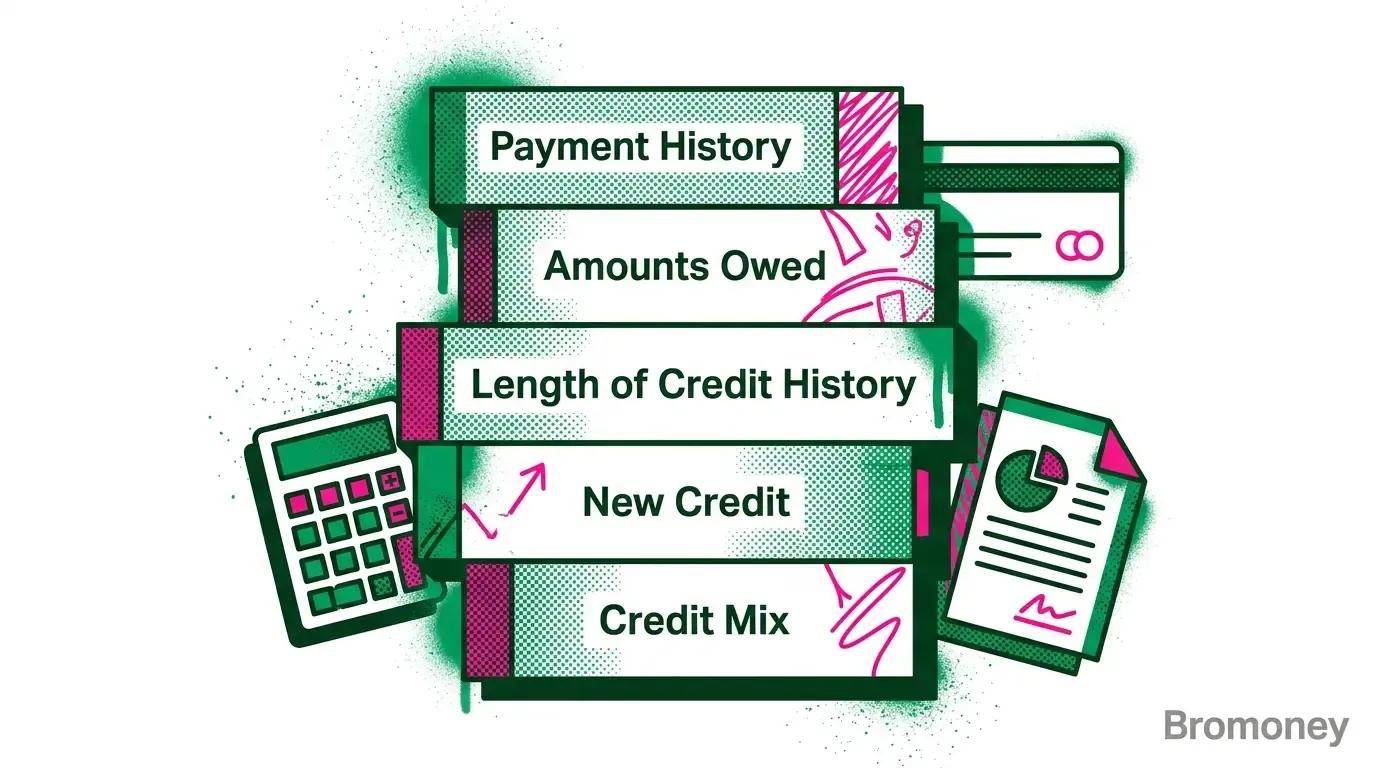
A practical breakdown of the five FICO Score factors, how each one works, and which actions improve your credit profile first.
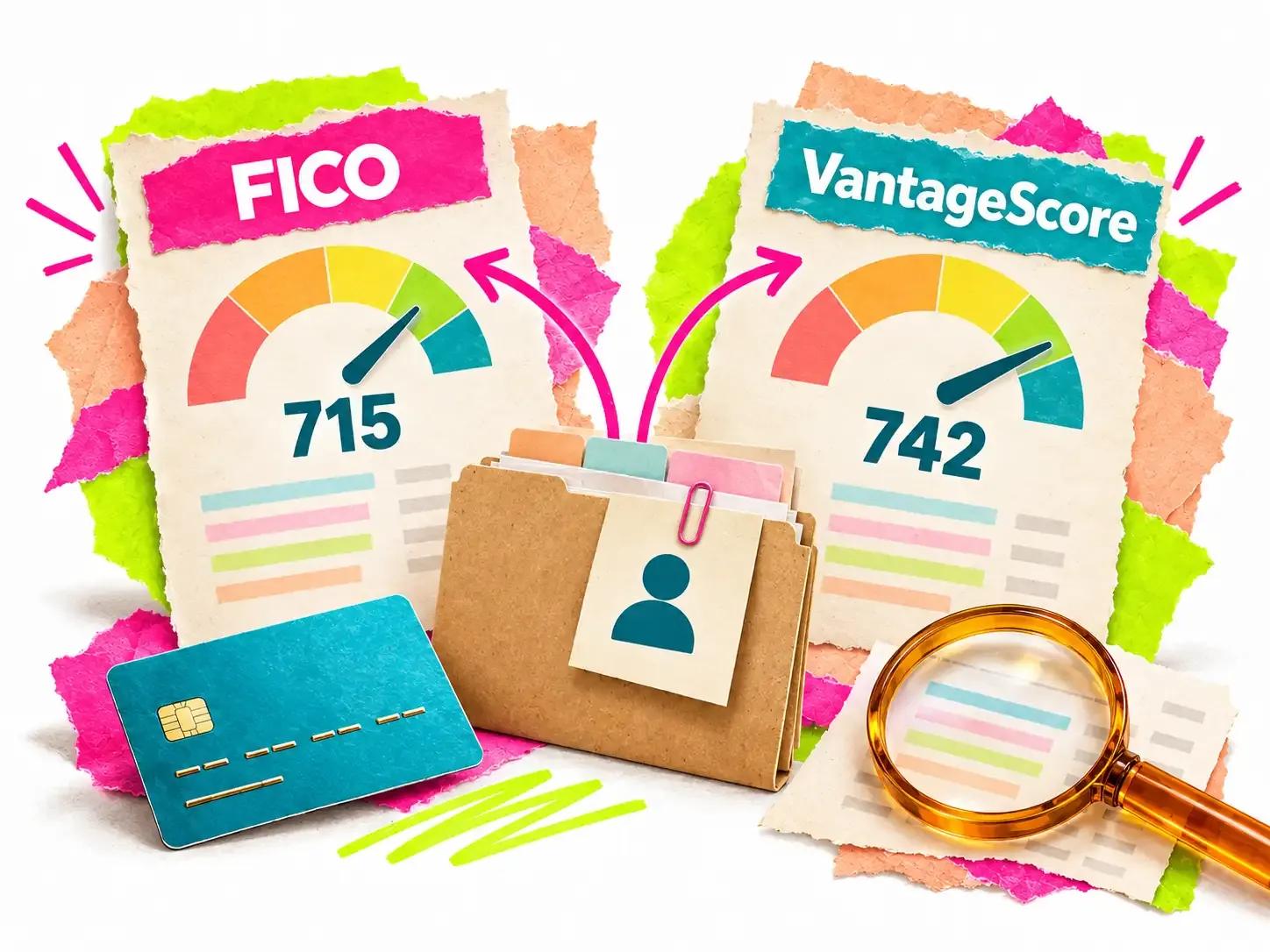
FICO and VantageScore can show different numbers for the same person because they use different models, bureau files, and update timing.
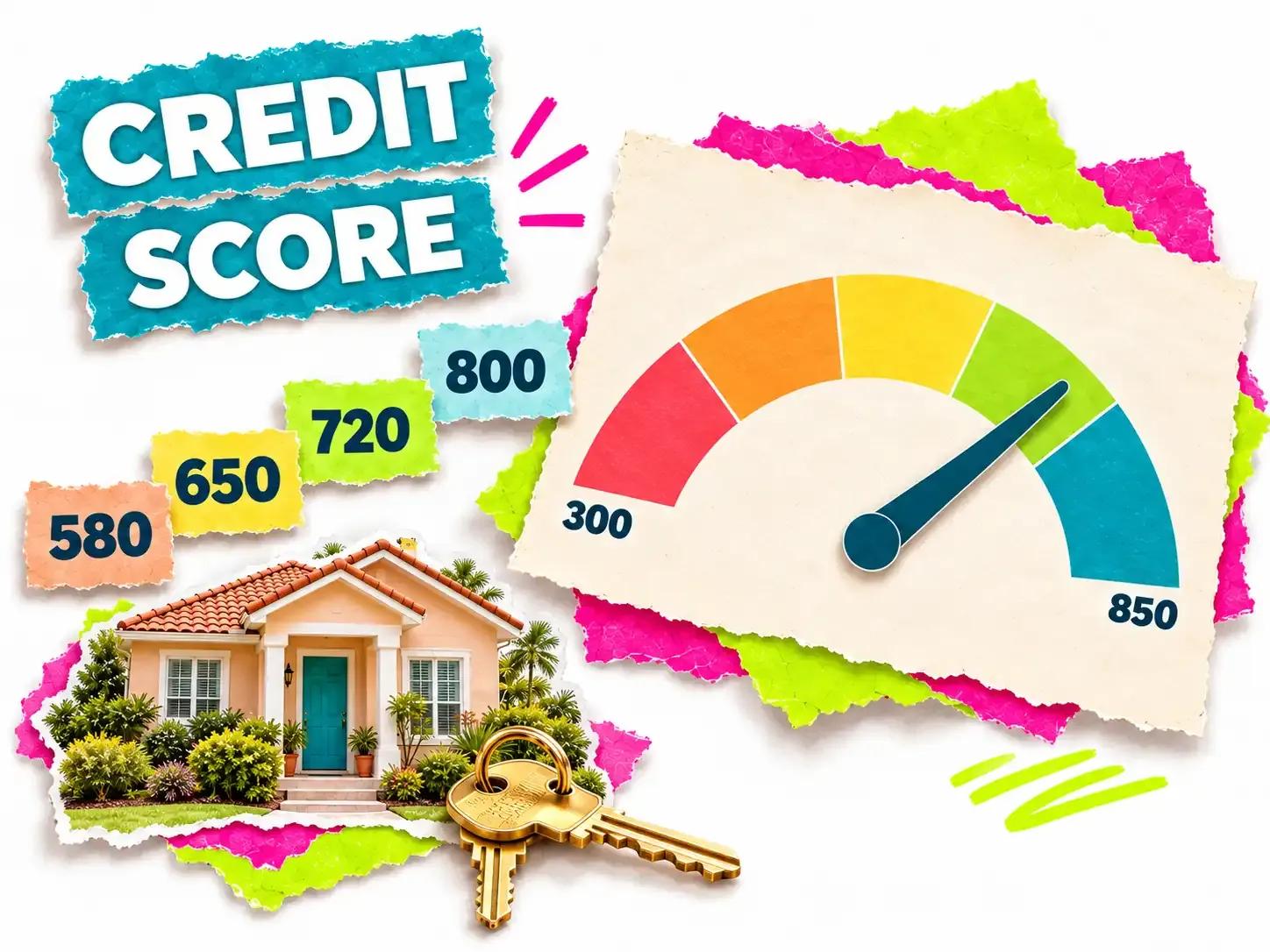
A practical guide to U.S. credit score ranges, including what 580, 650, 720, and 800 mean for mortgages, auto loans, credit cards, and rates.
We bridge the gap between your financial goals and premier lending services nationwide.
Bromoney is a financial marketplace, not a lender. Availability depends on the lender, the applicant's information, and where the applicant lives. When you submit a request form, your information is shared with lenders and partners in our marketplace so they can evaluate your request. Bromoney is operated by MONEY BROKER LLC (Delaware, DE File No. 10406065). This page is for general information and is not financial or legal advice.
You know the drill: one loan request, then waiting for the calls to start. Here you stay in control — we treat your information with care, you compare the options available to you, and you choose which lender or partner to move forward with. We can't speak for every partner, but we do our best to keep unwanted calls down.

Submitted over a secure connection


