


How Debt Consolidation Works: A Practical Guide to Simplifying Debt

Debt consolidation is one of the most misunderstood financial tools available to consumers. Many people hear the term and assume it eliminates debt, repairs credit instantly, or reduces payments automatically. None of those assumptions are entirely accurate.
After years of analyzing consumer lending products and debt management strategies, one pattern appears repeatedly. People often search for answers to questions like how debt consolidation works, how does debt consolidation work, or what is debt consolidation and how does it work, because they feel overwhelmed by multiple payments, different due dates, and growing interest charges.
The good news is that debt consolidation is relatively simple once the mechanics are understood. The challenge is determining whether it improves a financial situation or merely reorganizes existing debt.
This guide explains exactly how debt consolidation works, what happens behind the scenes, and what borrowers should know before pursuing a consolidation strategy.
What Is Debt Consolidation?
Debt consolidation combines multiple debts into a single obligation.
Instead of managing several credit cards, personal loans, medical bills, or other unsecured debts, a borrower uses a new loan or financial product to pay off existing balances. Afterward, only one payment remains.
At its core, debt consolidation changes the structure of debt rather than eliminating it.
A person with five separate balances totaling $20,000 still owes $20,000 after consolidation. The difference lies in how the debt is organized, repaid, and priced.
That distinction is important because many borrowers expect debt consolidation to erase debt. It does not. It simply creates a different repayment framework.
How Debt Consolidation Works in Practice
The easiest way to understand how debt consolidation works is through a simple example.
Imagine a borrower has the following debts:
- Credit Card A: $4,000 at 28% APR
- Credit Card B: $3,500 at 24% APR
- Credit Card C: $2,500 at 26% APR
- Personal Loan: $5,000 at 18% APR
The borrower owes $15,000 across four separate accounts. A lender approves a debt consolidation loan for $15,000. The new loan proceeds are used to pay off the four existing debts. Those accounts reach a zero balance and close or remain open depending on the lender and borrower preferences.
After the payoff, the borrower makes one monthly payment toward the consolidation loan instead of four separate payments. The total debt remains the same. The repayment structure changes. This simple transformation explains how debt consolidation loans work.
Why People Choose Debt Consolidation
Most borrowers pursue consolidation for one of three reasons.
The first reason is simplification. Managing multiple creditors creates opportunities for missed payments. Different due dates increase administrative stress. One payment often feels easier to manage than several.
The second reason is cost reduction. When the new loan carries a lower APR than existing debts, interest expenses decline. Over time, that reduction can save hundreds or thousands of dollars.
The third reason is creating a predictable payoff timeline. Credit cards allow revolving balances indefinitely. Debt consolidation loans typically have fixed repayment terms. Borrowers know exactly when the debt will be paid off if payments remain current.
How Does a Debt Consolidation Work Compared to Debt Settlement?
This question creates confusion because debt consolidation and debt settlement sound similar. They operate very differently: debt consolidation reorganizes debt, while debt settlement negotiates debt.
With consolidation, creditors generally receive the full amount owed. A new lender provides funds to pay existing balances. With settlement, creditors agree to accept less than the full balance.
Debt settlement often damages credit and may involve tax consequences. Consolidation generally focuses on restructuring repayment rather than reducing principal. Understanding this distinction helps borrowers choose the correct strategy.
How Debt Consolidation Loans Work Behind the Scenes
When borrowers ask, how do debt consolidation loans work, they often focus only on the consumer-facing process.
Behind the scenes, lenders conduct a risk assessment.
They evaluate:
- Credit history
- Income stability
- Existing debt obligations
- Employment history
- Debt-to-income ratio
The lender determines whether the applicant can manage the new payment. Once approved, funds are either sent directly to creditors or deposited into the borrower's account. Direct payment reduces the risk that funds will be spent elsewhere. After balances are paid, the borrower begins repaying the new loan according to the agreed terms. This process explains how debt consolidation loans work from application through repayment.
The Interest Rate Question
Many consumers assume consolidation automatically lowers interest rates. That assumption leads to disappointment. A lower rate depends on qualification. A borrower carrying credit card debt at 29% APR may benefit from a consolidation loan at 16%. Another borrower with weaker credit may receive a consolidation offer at 24%. In the first scenario, consolidation reduces costs significantly. In the second scenario, simplification may remain the primary benefit. Evaluating the APR is critical. Looking only at the monthly payment size creates a misleading picture.
When Debt Consolidation Saves Money
Debt consolidation saves money when three conditions align. The new APR is lower than the weighted average rate of existing debts. The repayment term remains reasonable. Fees do not eliminate potential savings. Consider a borrower paying multiple credit cards with APRs above 25%. Replacing those balances with a fixed-rate loan at 15% often produces substantial savings over time.
However, extending repayment from three years to seven years may increase total interest despite the lower rate. This is why analyzing total repayment cost matters more than focusing solely on monthly payment reductions.
Expert Advice
"The biggest mistake I see is focusing only on the new monthly payment. A lower payment feels like progress, but extending repayment for years can increase total interest. Always calculate the total amount repaid before accepting an offer."
That single calculation reveals whether consolidation improves the financial picture or simply delays repayment.
Types of Debt That Can Be Consolidated
Debt consolidation typically works best for unsecured debts. Common examples include credit card balances, personal loans, medical bills, retail financing accounts, and certain collection accounts. Secured debts such as mortgages and auto loans generally require different refinancing strategies.
Eligibility varies among lenders. Some consolidation loans focus specifically on credit card debt, while others allow broader debt categories. Reviewing lender requirements before applying prevents unnecessary credit inquiries.
What Is Debt Consolidation and How Does It Work for Credit Scores?
Another common question is: what is debt consolidation, and how does it work for credit scores? The answer depends on borrower behavior.
Initially, applying for a loan may create a small temporary score reduction due to credit inquiries. A new account also changes the average account age.
Over time, consolidation can support stronger credit performance if it reduces credit card utilization and helps maintain on-time payments. The loan itself does not improve credit automatically. Consistent repayment creates improvement. Missed payments after consolidation create the opposite effect.
Risks and Potential Drawbacks
Debt consolidation offers advantages, but it is not risk-free. One risk involves accumulating new debt. Some borrowers pay off credit cards through consolidation and then immediately begin using those cards again. The result is both a consolidation loan and new credit card balances.
Debt increases rather than decreases. Another risk involves fees. Origination fees, administrative charges, and other costs can reduce the value of consolidation. Term length also deserves attention. Long repayment periods lower monthly obligations but often increase total interest costs. Borrowers should evaluate both affordability and total repayment.
How to Determine Whether Consolidation Makes Sense
Before applying, compare the current debt structure with the proposed consolidation loan.
Calculate:
- Total current balances
- Current monthly payments
- Average interest rates
- Total projected repayment under consolidation
- Fees associated with the new loan
Many borrowers discover that the answer becomes obvious once the numbers are side by side. If consolidation lowers costs, simplifies repayment, and fits the budget, it may provide meaningful value. If the new loan merely postpones repayment while increasing total cost, caution is warranted.
The Bottom Line
Understanding how debt consolidation works removes much of the confusion surrounding the process.
Debt consolidation combines multiple debts into one obligation. It replaces several payments with a single payment and may reduce interest costs when the new loan offers favorable terms.
The strategy does not erase debt. It reorganizes repayment. For borrowers juggling multiple balances, debt consolidation can simplify finances, improve cash-flow management, and create a clearer path toward becoming debt-free.
The key is evaluating the complete picture. Interest rates, fees, repayment terms, and financial habits all influence the outcome.
The most successful consolidations occur when borrowers view the new loan as a repayment tool rather than an opportunity to create additional debt.
Frequently Asked Questions
What is debt consolidation?
A consolidation loan pays off multiple credit card balances and replaces them with one installment loan. This creates a single payment schedule and may reduce interest costs if the new rate is lower.
How does debt consolidation work?
Debt consolidation combines multiple debts into one loan or financial product. The new loan pays off existing balances, leaving a single monthly payment.
How do debt consolidation loans work?
A lender provides funds that pay existing creditors. The borrower then repays the new loan according to fixed terms and conditions.
Debt consolidation loan – how does it work if credit is poor?
Borrowers with lower credit scores may still qualify. Interest rates may be higher, and approval standards vary by lender.
How does debt consolidation work compared to refinancing?
Debt consolidation combines multiple debts into one obligation. Refinancing typically replaces a single existing loan with a new loan that has different terms.

Denis Goncharenko
Head of Content
Editorial Policy: no secondary statistics. Every claim is linked to an official source and dated — datasets and methods are open for review.

Was this article helpful?
Same blogs
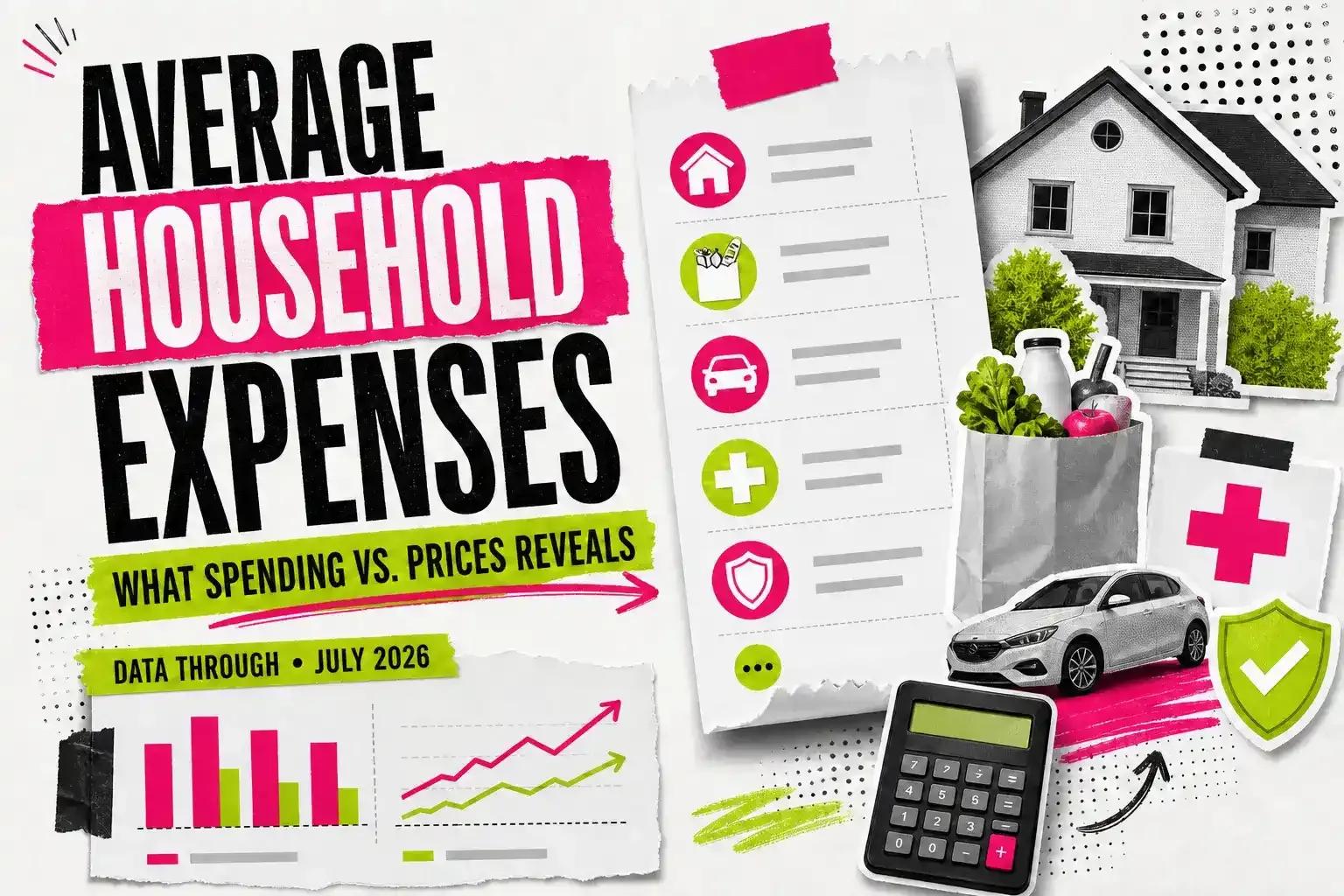
What Average Household Expenses Show About Price Pressure - and What They Can't
The average US consumer unit spent $78,535 in 2024 - about $6,545 a month. This page sets that spending record against the price indexes for the same two years, category by category, using our own CE-CPI crosswalk, and states plainly what the figures cannot show.
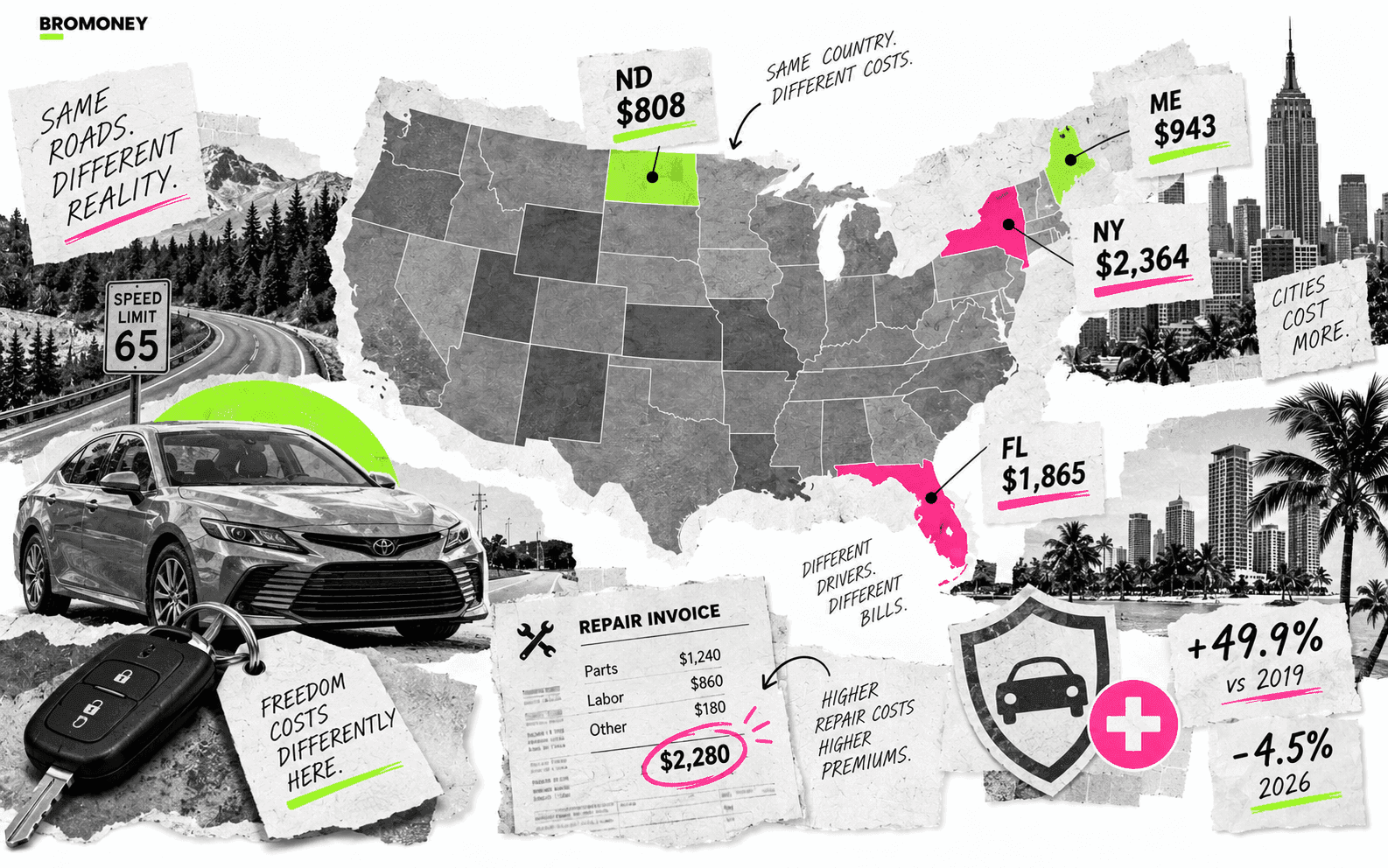
Why Car Insurance Went Up and What Actually Moves the Premium
Car insurance spending rose 12.3 percent in 2024, one of only two costs BLS called statistically significant. NAIC's 2023 state averages, why rates are falling even as the level sits 49.9 percent above 2019, what actually drives claims costs, and which levers on your policy are worth checking.
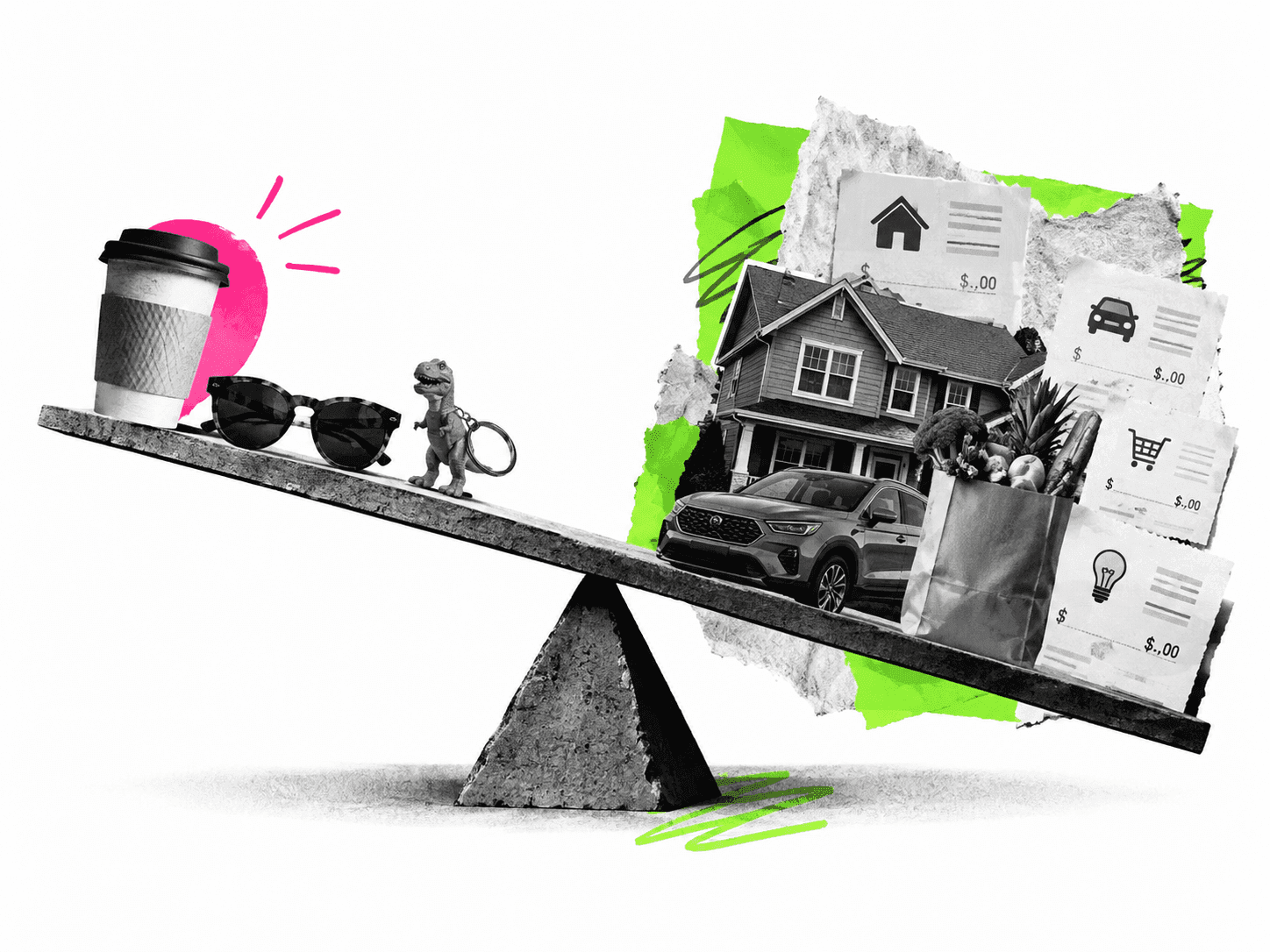
Stop Blaming the Latte: Impulse Buying Isn't the Whole Budget Story
BLS data shows apparel and entertainment spending barely moved in 2024, while car insurance, housing and groceries rose - some by double digits. Why the numbers behind the top impulse-buying articles don't hold up, and a review method that starts with the bills, not the coffee.