Age & Residency
You generally need to be at least 18 and a U.S. resident to be considered as a borrower. Basic eligibility comes first, before the lender reviews the rest of your request.

South Carolina residents can find competitive personal loan rates, flexible repayment terms, and simple online applications, even with a less-than-perfect credit history.
Compare lenders and decide,
Get startedSecure 256-bit Connection
A personal loan is a lump-sum installment loan, often $1,000 to $40,000, repaid in fixed monthly payments over a set term, usually two to seven years. The borrower gets the funds at once, then repays the amount borrowed plus interest until the balance is paid off. It's usually unsecured, meaning no collateral is required, and it's also called an unsecured installment loan. In plain terms, it can help you consolidate higher-interest debt or cover one larger planned cost.
Approved South Carolina lenders typically process applications and transfer funds within 1-3 business days following document verification, ensuring you get your money promptly.
Lenders serving South Carolina work with borrowers across the credit spectrum. A FICO score below 640 is not an automatic disqualification, as lenders also assess your income stability and payment history.
Each partner lender serving South Carolina is licensed under Title 37 of the state's Code of Laws. You receive transparent APR ranges and full fee disclosures, with no hidden charges.
The request may take a few minutes. Here's what most South Carolina lenders require before they can review your information and decide whether to offer credit.
You generally need to be at least 18 and a U.S. resident to be considered as a borrower. Basic eligibility comes first, before the lender reviews the rest of your request.
A lender will want to see income you can verify, which may include wages, benefits, or another steady source. They'll also look at your credit profile and current debt load to judge whether the payment is realistic, so bad credit may be considered, but it can come with tougher terms.
You usually need an active bank account so funds can be sent and monthly payments can be handled under the loan terms. Before you choose, make sure that account can support the payment date without squeezing essentials.
Borrowers in South Carolina often see personal loan APRs from 10% to 36%. This range can be slightly higher than in North Carolina, which has a stronger credit union presence. With fewer state-chartered credit unions, online lenders are a key alternative for many SC residents.
The SC Department of Consumer Affairs (SCDCA) enforces Title 37 of the Consumer Protection Code. The SCDCA licenses all consumer lenders, investigates complaints, and can revoke a license for predatory practices. You can verify any lender's license at scconsumer.gov before applying.
South Carolina's Title 37 mandates full fee disclosure and regulates loan rates. We connect you exclusively with SC-compliant lenders, allowing you to compare genuine offers, not bait-and-switch tactics. This saves residents from Columbia to Greenville time by focusing only on lenders who serve their area.

Estimate exactly how much you'll owe before you commit. Enter your loan amount and repayment term to see total costs, including fees and interest, laid out clearly.
Calculate my loanLegal lending restrictions for SC residents.
Max Loan Amount
No statutory maximum
Based on South Carolina statutes; individual lender limits apply.
Max Term
Up to 84 months
Maximum allowed repayment window for most personal loans.
APR/Fees
Varies; no statewide cap for larger loans
Rates for small loans are regulated by SC Code §37-3-201.
Rollovers
Allowed
South Carolina law permits refinancing, but it must provide a tangible benefit to the borrower.
Information provided is for educational purposes only. Borrowers are encouraged to review all loan terms carefully before signing. Interest rates and fees vary by lender and loan type.
Moving card debt to a balance-transfer card can give you breathing room during a lower-APR intro period. The catch is structure. You're still using revolving credit, the APR can change after the promo ends, and there usually isn't a fixed payoff date unless you make one and stick with it.
A home equity loan or another secured option may come with a lower cost because collateral backs the debt. That can help when you're borrowing for a major project, but your asset is on the line if payments aren't made, and the process can take more paperwork than an unsecured personal loan.
A credit union personal loan or local nonprofit option can be worth a look, especially if you're already a member or want a lower-cost place to borrow close to home. Loan amounts, APR caps, and local rules change by state, so check your state page before you choose.
Personal loans online don't work the same way in every state. Loan amounts, terms, APR, rate caps, and legal rules can change depending on where you live, whether you borrow to consolidate debt, cover a large expense, or compare options with bad credit. Choose your state below before you repay under local rules.
In South Carolina, a competitive APR for a personal loan is typically between 10% and 18% for borrowers with a FICO score over 680, aligning with the Q1 2024 national average of 12.35% for 24-month loans. Offers above 30% APR suggest it's wise to compare more options. Using a comparison tool lets you check multiple SC-licensed lenders without affecting your credit score.
In SC, having bad credit doesn't eliminate your options. Lenders evaluate your full financial picture, including debt-to-income (DTI) ratio and employment stability. Borrowers with scores from 550 to 639 often qualify, though at higher APRs (25-36%). A cosigner can help lower your rate. Start by checking offers through a platform that uses a soft inquiry, which won't harm your credit score.
Most South Carolina lenders offer personal loans from $1,000 to $50,000, with some extending up to $100,000 for well-qualified applicants. The amount you're approved for depends on your credit, income, and existing debt. For licensed lenders, South Carolina does not set a statutory maximum loan amount above the small-loan threshold defined in SC Code §37-3-201.
Personal loans in SC are versatile and can be used for many purposes, including debt consolidation, home improvements, or unexpected medical bills. Given the state's active housing market, using a personal loan for renovations is often faster than a home equity loan and doesn't require using your property as collateral, though interest rates may be higher.
An unsecured personal loan does not use collateral. With Bromoney, you complete the form and then review any options available to you in your account. If you choose to continue with a lender or partner, that lender or partner makes its own credit decision and sets the loan terms.
Lenders and partners use their own criteria when reviewing a consumer’s information. They may consider credit history, income, existing debts, the requested amount, and the repayment term. The factors considered and the terms offered can vary. The CFPB outlines common factors for personal installment loans.
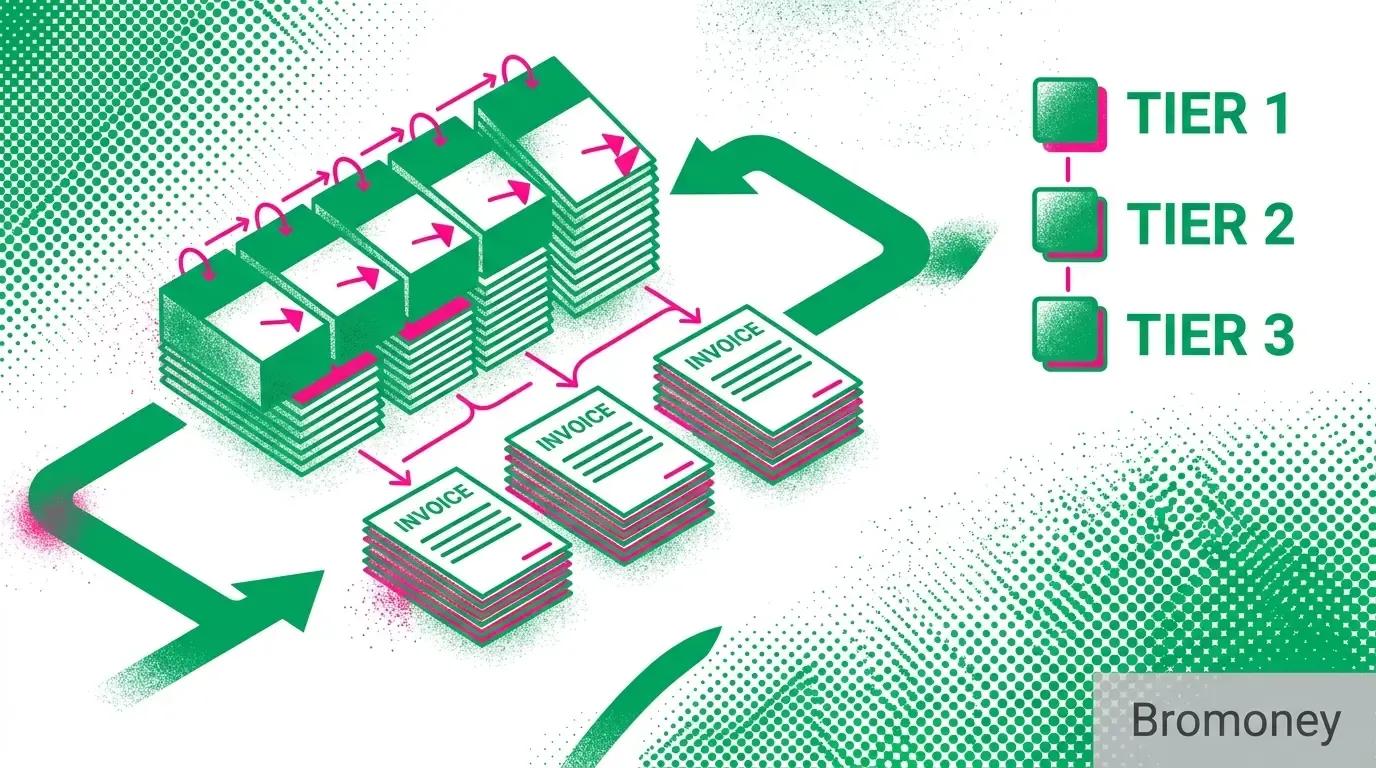
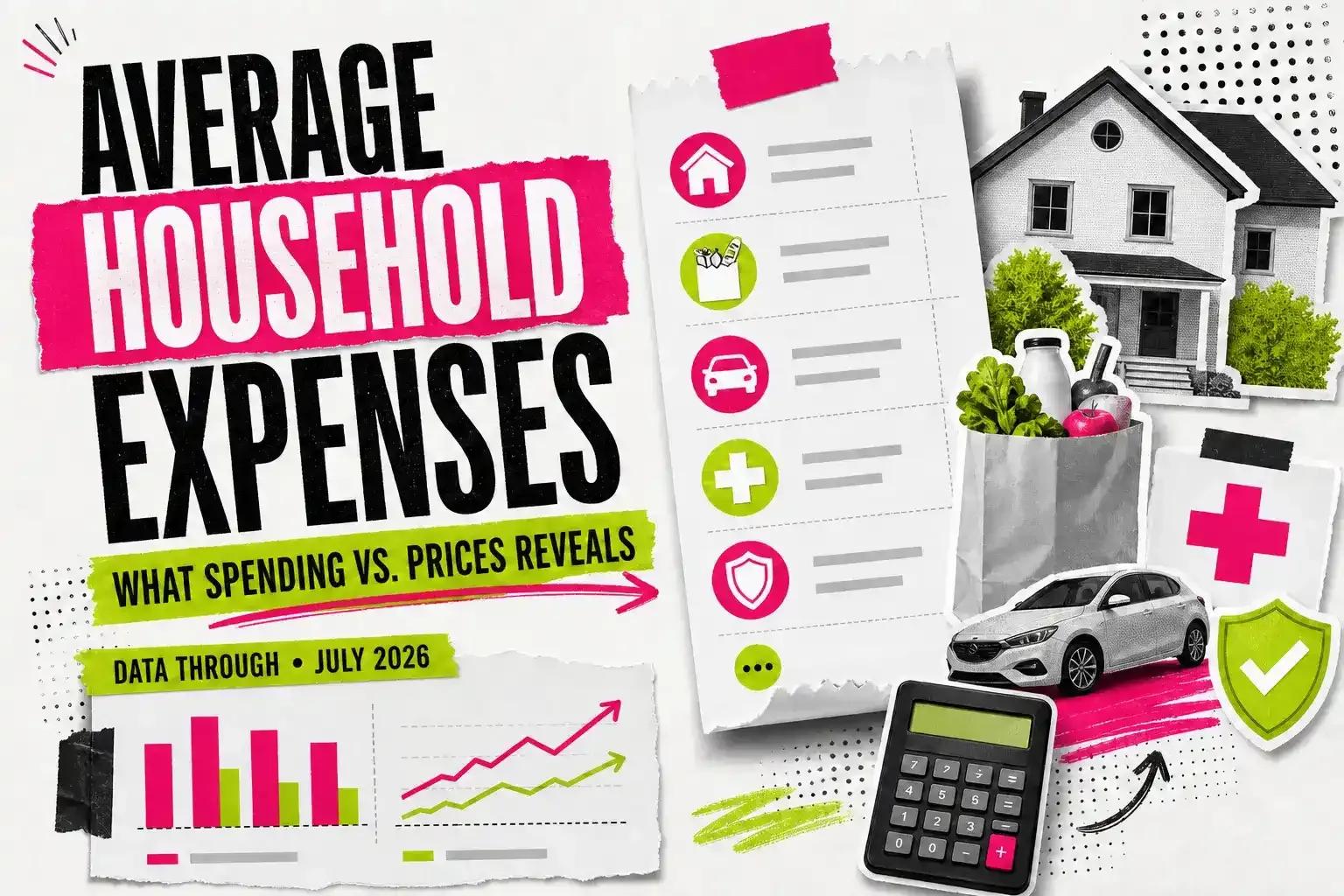
The average US consumer unit spent $78,535 in 2024 - about $6,545 a month. This page sets that spending record against the price indexes for the same two years, category by category, using our own CE-CPI crosswalk, and states plainly what the figures cannot show.
We bridge the gap between your financial goals and premier lending services nationwide.
This page is informational and does not guarantee approval. Actual rates depend on your lender and South Carolina regulations.
You know the drill: one loan request, then waiting for the calls to start. Here you stay in control — we treat your information with care, you compare the options available to you, and you choose which lender or partner to move forward with. We can't speak for every partner, but we do our best to keep unwanted calls down.

Submitted over a secure connection