

Age & Residency
You'll generally need to be at least 18 and live in the U.S. Lenders use that basic borrower information to start an eligibility review.

Need to cover a small bill before your next paycheck in Utah? Payday loans in Utah are built for a small amount over a short stretch, until your pay lands.
A payday-style loan in Utah is regulated as a deferred deposit loan. The transaction may use a check or written or electronic authorization for a later debit from your account. Utah does not impose a general statutory interest-rate ceiling on these loans, but state law limits how long additional interest can continue. Once an outstanding principal balance has reached 10 weeks from the original loan date, the lender may not continue collecting additional interest. Rollovers must be requested by the borrower and may not require repayment beyond that 10-week limit. Utah also requires lenders to make an extended payment plan available at least once in a 12-month period with that lender, subject to statutory requirements.
Checking available options with Bromoney does not require a credit-bureau inquiry and does not affect your credit score. If you select a partner and continue, that partner may perform a hard credit inquiry that can affect your score.
Utah does not impose a general statutory interest-rate ceiling on deferred deposit loans. The lender must disclose its interest or fees, while separate state rules limit rollovers, interest after 10 weeks and certain collection practices.
Utah allows rollovers only when the borrower requests them. A rollover may not require repayment beyond 10 weeks from the original loan date, and lenders may not use a new deferred deposit loan to evade that limit.
Federal Truth in Lending rules require applicable disclosures such as the APR and finance charge before you become obligated. Utah law also requires the lender to disclose and review the interest or fee and the due date.
The request may take a few minutes. Here's what most Utah lenders require before they can review your information and decide whether to offer credit.
You'll generally need to be at least 18 and live in the U.S. Lenders use that basic borrower information to start an eligibility review.
Your income can come from work or benefits, but it needs to be steady enough for the lender to see how you'll repay.
Most lenders ask for an active bank account so funds and repayment can move through a place you already use.
Utah does not set a general statutory interest-rate ceiling for deferred deposit loans. Instead, the lender discloses its interest or fees, while state law limits how long additional interest may continue. Once an outstanding principal balance has reached 10 weeks from the original loan date, additional interest cannot continue. Compare the APR, finance charge, due date and any rollover terms in the actual agreement before you continue.
Utah requires a lender to make an extended payment plan available at least once in a 12-month period with that lender, subject to statutory timing requirements. The plan must provide at least four equal payments and generally cannot add new interest or fees while you comply with it. Once you have been charged 10 continuous weeks of interest or fees, including rollovers, you may request an extended payment plan and the lender must provide one that complies with Utah law.
Deferred deposit lenders subject to Utah's Act must maintain a Deferred Deposit Lender Registration with the Utah Department of Financial Institutions through NMLS. Check the company's exact legal name through NMLS Consumer Access before you proceed and keep your agreement and disclosures in case you need to file a complaint.
Utah borrowers who want to compare payday options can fill out one form on Bromoney. You won't need to enter the same details with lender after lender. If partners send offers to your account, you can set the payment, the term and the total side by side. Then you'll see what really fits your budget. Whether to continue, and with which partner, is your call. Using Bromoney is free.

Estimate exactly how much you'll owe before you commit. Enter your loan amount and repayment term to see total costs, including fees and interest, laid out clearly.
Calculate my loanThe figures below come from state law, not from any lender's offer. For current requirements, check with the Utah Department of Financial Institutions.
Status
Permitted; no general interest-rate cap
Utah permits deferred deposit loans and does not impose a general statutory interest-rate ceiling, but specific rollover, interest and collection rules apply.
Largest loan
No specific statutory principal cap
Utah's deferred-deposit statute does not set a fixed maximum principal amount.
General interest-rate cap
None
The lender sets the disclosed interest or fees, subject to Utah's other deferred-deposit restrictions and disclosure requirements.
Interest/rollover window
Up to 10 weeks
Additional interest cannot be collected once an outstanding principal balance has reached 10 weeks from the original loan date, and a rollover cannot require repayment beyond that 10-week limit.
Rollovers
Borrower-requested; subject to 10-week limit
Rollovers must be requested by the borrower and may not extend repayment beyond 10 weeks from the original loan date.
Number of loans
No express statewide numerical cap
Utah does not state a fixed statewide number of simultaneous deferred deposit loans, but lenders must comply with ability-to-repay and anti-evasion requirements.
Extended payment plan
At least once every 12 months with the lender
The plan must provide at least four equal payments and meet Utah's statutory timing requirements. New interest or fees generally may not be added while the borrower complies with the plan.
Dishonored-check service charge
$20
A $20 statutory service charge may apply to a dishonored check. After required notice and continued nonpayment, collection costs of up to $35 may also apply, subject to special limits protecting deferred-deposit borrowers.
Military
36% MAPR
Federal Military Lending Act limit for covered active-duty servicemembers and covered dependents.
State rules reviewed November 2026. For current requirements, check with the Utah Department of Financial Institutions.
If one due date feels too tight, an installment loan spreads the amount borrowed across fixed payments. You repay over a longer window, which can make budgeting easier, though the lender's terms still decide the real cost.
A credit union PAL or a personal loan can be a slower, lower-cost path when you have room to plan. You may need credit union membership for a PAL, while a personal loan usually leans harder on your credit profile.
Sometimes the better move is closer to home: state assistance, a local credit union, or a community program. Options change by state, so use your state page to see what may sit alongside payday loans.
Payday loans online work differently by state. What you can borrow, what a cash advance can cost, and how you repay may change under state laws. If you have bad credit or a tight bill gap, choose your state below to review legal loan amounts, terms, and the options available to you.
Yes. Utah permits payday-style borrowing as deferred deposit loans. The state does not impose a general statutory interest-rate ceiling, but it restricts rollovers, limits how long additional interest may continue and provides extended-payment-plan protections. The payday loans guide explains how these loans work.
Utah's deferred-deposit statute does not set a specific maximum principal amount. The amount actually available depends on the lender's eligibility criteria, required ability-to-repay review and the terms it offers.
Utah does not impose a general statutory cap on the interest rate or fee for a deferred deposit loan. The lender must disclose the applicable interest or fee, while other state rules restrict rollovers, interest after 10 weeks and certain collection practices. Compare the APR and dollar finance charge in any actual option available to you before you agree.
Utah does not express the rule simply as a standard 70-day loan term. Instead, state law limits the interest-bearing and rollover period: additional interest cannot continue after 10 weeks from the original loan date, and a rollover cannot require repayment beyond that point. Check the maturity date and any rollover cost in your actual agreement. If a single-payment structure does not fit your budget, installment loans use a different repayment structure.
Yes, but with important limits. A rollover must be requested by the borrower, and it may not require repayment beyond 10 weeks from the original loan date. A lender also may not use a new deferred deposit loan to evade the 10-week restriction. See how installment and payday loans compare.
Utah law does not specify a fixed statewide numerical cap on simultaneous deferred deposit loans. Availability of another loan still depends on the lender's required ability-to-repay review and other statutory restrictions.
Utah's general dishonored-check law may allow a $20 service charge. After required notice and continued nonpayment, collection costs of up to $35 may also apply. Deferred-deposit borrowers are subject to special limits that restrict certain additional dishonored-check remedies. Your bank may separately impose its own non-sufficient-funds fee.
Yes. You may rescind a Utah deferred deposit loan without any charge by returning the loan amount to the lender on or before 5 p.m. on the next business day following the transaction.
Utah requires a lender to make an extended payment plan available at least once in a 12-month period with that lender, subject to statutory requirements. The plan must provide at least four equal payments and last for at least the period required by Utah law. New interest or fees generally may not be added while you comply with the plan. If you have been charged 10 continuous weeks of interest or fees, including rollovers, you may request an extended payment plan and the lender must provide one that complies with state law. A default fee of up to $20 may apply if you fail to follow the plan.
It may be possible, but the decision belongs to the lender. Utah's deferred-deposit statutes do not establish a specific credit-score threshold. The lender must still comply with applicable ability-to-repay requirements and disclose the cost of the loan. If your credit score is the main concern, the bad credit loans guide explains common credit-score tiers.
The Utah Department of Financial Institutions administers Deferred Deposit Lender Registration and handles consumer complaints. Registered deferred deposit lenders can be checked through NMLS Consumer Access. Use the exact legal company name shown in your agreement when checking registration or filing a complaint, and keep copies of your agreement, disclosures and payment records.
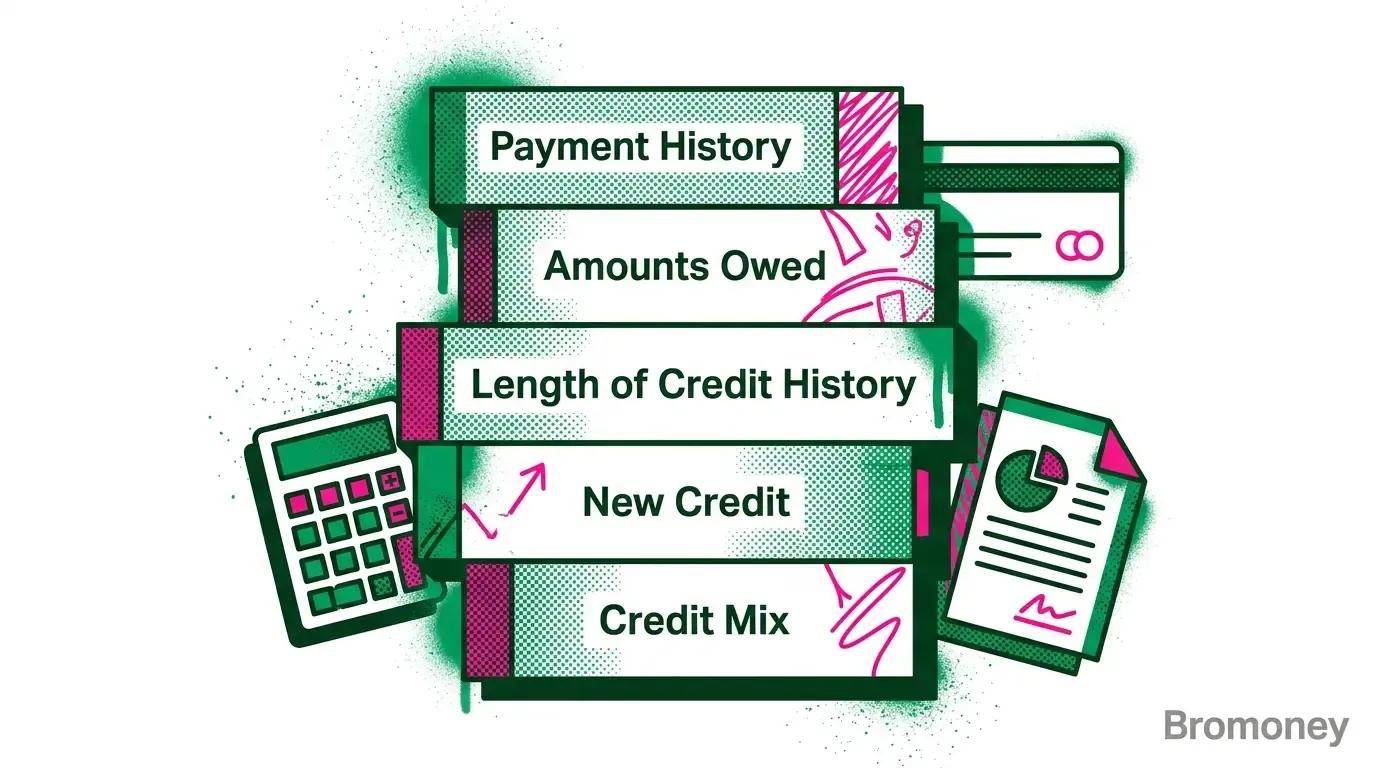
A practical breakdown of the five FICO Score factors, how each one works, and which actions improve your credit profile first.

FICO and VantageScore can show different numbers for the same person because they use different models, bureau files, and update timing.
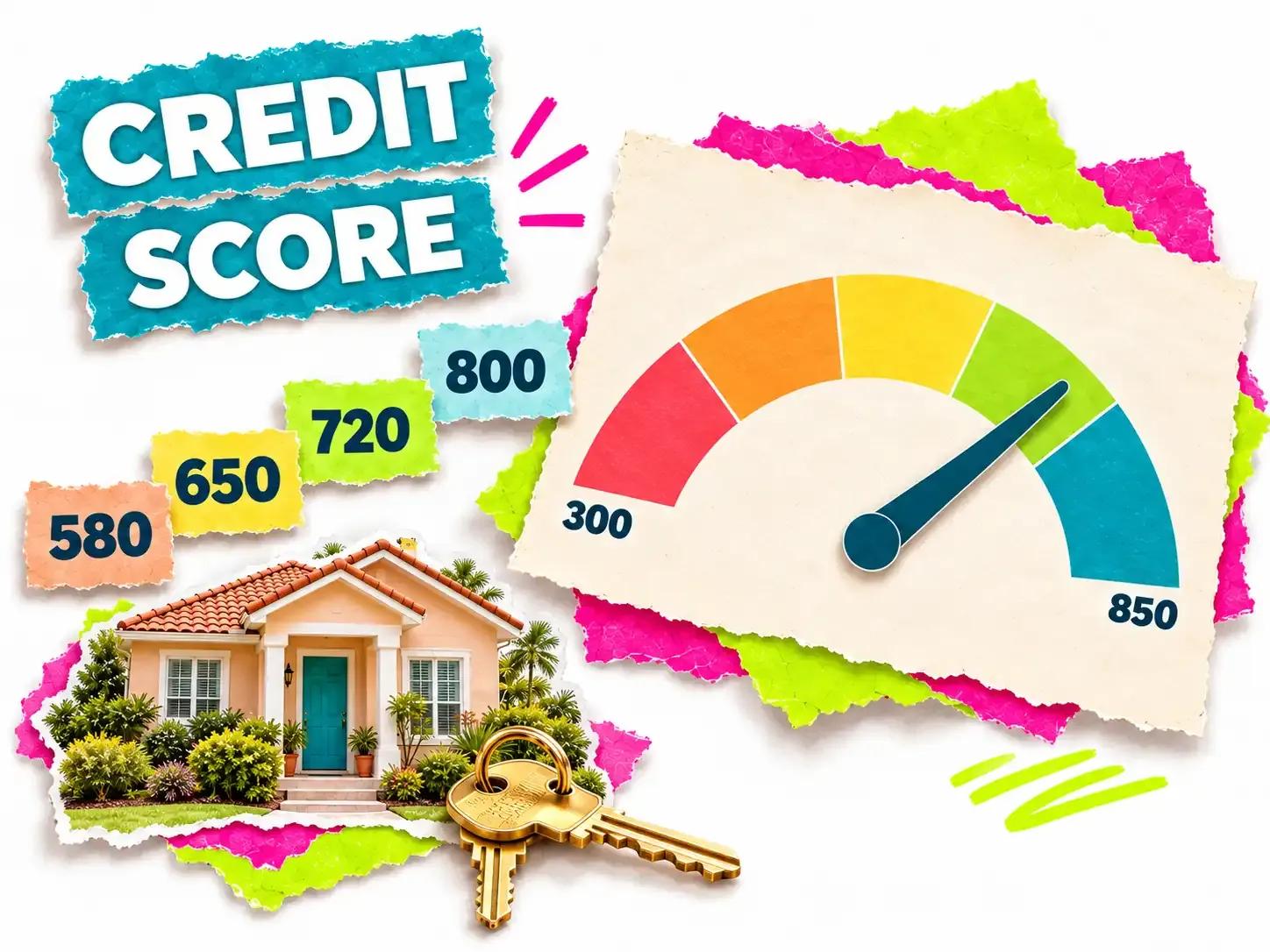
A practical guide to U.S. credit score ranges, including what 580, 650, 720, and 800 mean for mortgages, auto loans, credit cards, and rates.
We bridge the gap between your financial goals and premier lending services nationwide.
Bromoney is a financial marketplace, not a lender. Availability depends on the lender, the applicant's information, and where the applicant lives. When you submit a request form, your information is shared with lenders and partners in our marketplace so they can evaluate your request. Bromoney is operated by MONEY BROKER LLC (Delaware, DE File No. 10406065). State rules reviewed November 2026. This page is for general information and is not financial or legal advice.
You know the drill: one loan request, then waiting for the calls to start. Here you stay in control — we treat your information with care, you compare the options available to you, and you choose which lender or partner to move forward with. We can't speak for every partner, but we do our best to keep unwanted calls down.

Submitted over a secure connection


