


Payment Priority in Cash Flow Management: A Decision-Making System
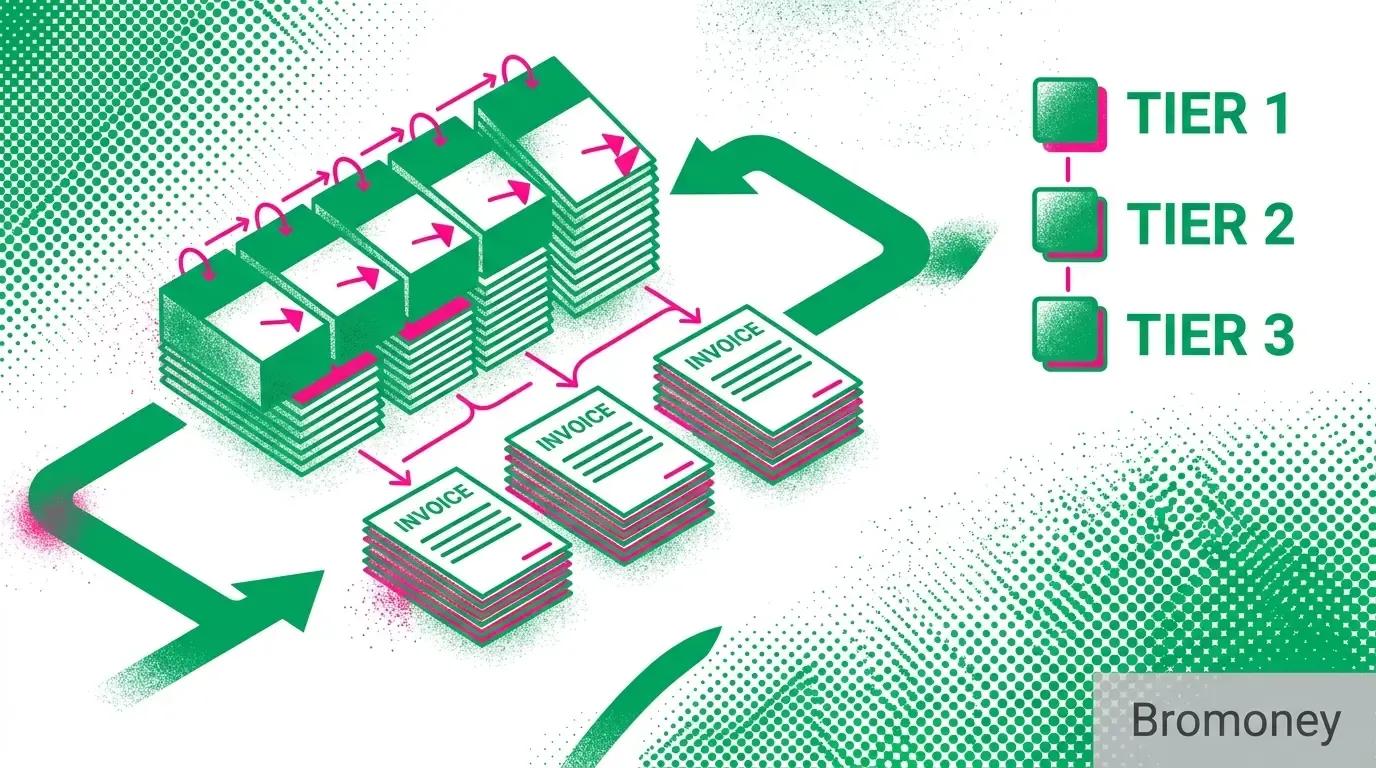
Payment priority is the rulebook for deciding which business bills get paid first when cash is limited. It is not a bookkeeping preference. It is a liquidity control system.
The reason is simple: profit does not pay invoices. Cash does. The Federal Reserve's 2025 Small Business Credit Survey found that 56% of employer firms had difficulty paying operating expenses, while 51% reported uneven cash flow. That is the environment where payment order matters.
In the field, I see the same pattern often: a company has sales, a clean P&L, and still misses payroll because customer payments arrive later than vendor bills. A priority system prevents that mistake.
What Payment Priority Is - and Why It's the Core of CFM
Payment prioritization ranks outgoing obligations by urgency, legal risk, and operational impact. The goal is to keep the company operating when liquidity tightens.
It sits at the center of cash flow management because outflows are more controllable than inflows. Customers decide when they pay. Management decides when the company pays vendors, lenders, owners, and contractors.
How It Connects to the Broader CFM Strategy
Payment order connects directly to three cash flow management disciplines:
- Cash flow forecasting: the forecast must reflect real payment timing, not just invoice due dates.
- Working capital management: payment timing affects the cash conversion cycle - how long cash stays trapped in inventory and receivables.
- Liquidity management: taxes, payroll, debt service, and critical vendors need cash before discretionary spending.
The FDIC and SBA define cash flow as money moving into and out of a business over a period. A cash flow projection estimates future inflows, outflows, and ending balances. Payment priority turns that projection into operating decisions.
When a Priority System Becomes Non-Negotiable
A formal priority system becomes critical during seasonality, rapid growth, customer payment delays, margin compression, or debt stress.
Rapid growth is a common trap. A business sells more, buys more inventory, hires more people, and waits longer for customer cash. JPMorgan Chase Institute found that the median small business had only 27 cash buffer days without new inflows in its Cash Is King report. That leaves little room for casual payment decisions.
Three Tiers of Payment Priority
Tier 1 - Mandatory and Legally Protected Payments
Tier 1 includes obligations where non-payment creates legal exposure, personal liability, default risk, or immediate workforce damage.
Taxes and Government Obligations
Payroll taxes and collected sales taxes are not available operating cash. They belong in a protected category.
The IRS warns that the Trust Fund Recovery Penalty can equal 100% of unpaid trust fund taxes and can apply personally to responsible individuals who willfully fail to remit them.
Payroll
Payroll also belongs near the top of the stack. Federal wage rules are not optional.
The U.S. Department of Labor sets a federal minimum wage of $7.25 per hour for covered nonexempt employees and overtime of at least 1.5 times the regular rate after 40 hours in a workweek.
Beyond the statute, late payroll destroys trust fast. Employees do not finance the company. If payroll is at risk, the business is already in crisis mode.
Debt Service
Debt service needs advance reservation. Missed payments can trigger late fees, default provisions, covenant issues, or loss of a line of credit.
Still, debt service should not automatically outrank payroll taxes or wages. When a payment is at risk, talk to the lender early and document the plan. Silence usually reduces options.
Tier 2 - Critical Operational Payments
Tier 2 covers payments that keep the business running. These bills may not carry the same legal exposure as taxes, but non-payment interrupts operations.
Key Suppliers and the Production Chain
A supplier of unique components ranks above a supplier of office supplies. If a critical vendor stops shipping, production stops.
Yale School of Management's working-capital case research describes a practical supplier rule: do not apply one payment policy to every vendor. Small suppliers may need on-time payment to survive, while larger suppliers may tolerate negotiated terms.
Rent and Utilities
Rent for a production facility, warehouse, or retail location can be mission-critical. Electricity, internet, phone service, and core software access often carry the same practical priority.
The test is blunt: if losing the service stops revenue, it is not a routine administrative expense.
Insurance Payments
Insurance lapses create hidden operational risk. A missed commercial auto premium, for example, can expose the company to liability and disrupt fleet operations.
Treat mandatory coverage as part of operating continuity, not as a back-office bill.
Tier 3 - Discretionary and Deferrable Payments
Tier 3 includes payments that can move without immediate legal or operating damage.
Marketing and Advertising
Do not cut all marketing blindly. Keep campaigns with measurable, near-term cash payback. Pause brand campaigns or experimental channels when the cash calendar shows pressure.
The question is not whether marketing is good. The question is whether this campaign returns cash before more critical obligations come due.
Capital Investment
CapEx should wait until Tier 1 and Tier 2 are covered and the minimum reserve stays intact.
The FDIC/SBA cash flow training uses an equipment purchase example to show why leasing, financing, buying used, or delaying can protect liquidity better than paying cash upfront.
Non-Critical Contractors and Services
Consultants, training programs, travel, and non-essential subscriptions are common deferral candidates.
Deferral should be proactive. Tell the contractor what is changing, when payment is expected, and whether partial payment is available. Silence damages leverage.
The Decision Algorithm When Cash Is Constrained
Step 1 - Inventory All Obligations With Due Dates
Build one accounts payable register. Include vendor name, amount, due date, contract terms, tier, and payment owner.
Also include payroll runs, tax deadlines, debt service, leases, insurance, and recurring software. If a bill sits outside the register, it will surprise you later.
Step 2 - Classify by Tier
Assign every obligation to Tier 1, Tier 2, or Tier 3.
If classification is unclear, ask: what happens if this payment is missed? Legal exposure or default points to Tier 1. Revenue interruption points to Tier 2. Inconvenience points to Tier 3.
Step 3 - Calculate Minimum Required Cash Flow
Calculate the cash required to cover all Tier 1 obligations due before the next reliable inflow. Then add Tier 2 obligations that protect revenue continuity.
That number becomes the cash floor. Owner distributions, discretionary bonuses, and optional purchases do not come out before that floor is protected.
Step 4 - Negotiate Deferral on Tier 2 and Tier 3
Negotiate before the due date. Bring a concrete plan: partial payment now, written payment schedule, and a reason tied to timing rather than vague hardship.
Large vendors often have more flexibility than small vendors. Small vendors may need cash to stay alive, which makes them operationally important even when their invoice is smaller.
Step 5 - Weekly Review and Adjustment
Review the payment calendar weekly. In a tight week, review it more often.
Update actual bank balances, customer collections, new invoices, missed receipts, and changed vendor terms. A stale forecast is worse than no forecast because it gives false confidence.
The Payment Calendar as the Execution Tool
Structure of a Payment Calendar
A payment calendar turns the priority framework into daily cash control.
| Element | Description |
|---|---|
| Opening balance | Available cash at period start |
| Expected inflows | Customer payments by expected cash date |
| Scheduled outflows | Each payment with tier, due date, and counterparty |
| Closing balance | Cash remaining after each day's activity |
| Gap flags | Dates where projected cash turns negative |
Integration With the Cash Flow Forecast
The payment calendar is the short-range execution layer of the cash flow forecast.
The forecast shows the expected direction of cash. The calendar shows which invoice gets paid, on which date, from which bank balance. When the two disagree, treat it as an early warning signal.
Automation and Tools
For small businesses, a spreadsheet can work if one person owns it and updates it consistently. As volume grows, automation helps.
A practical stack includes accounting software, bill-pay tools, bank feeds, approval workflows, and a dashboard for AR, AP, cash, and debt. Deloitte's Global Corporate Treasury Survey highlights liquidity management and cash visibility as continuing treasury priorities, which is exactly what a clean payment calendar supports.
Cash Gaps: How Prioritization Prevents the Crisis
A cash gap is a temporary mismatch between available cash and required payments. It does not always mean the company is unprofitable. It means the timing is broken.
Payment priority reduces the damage by forcing management to protect legal obligations and revenue continuity before optional spending.
Indicators of an Approaching Cash Gap
Watch for these signals:
- customer payments slipping beyond normal terms
- operating cash flow falling while revenue holds
- vendors tightening terms or demanding deposits
- more frequent use of overdrafts or short-term credit
- AP aging growing faster than collections
The practical warning sign is simple: the payment calendar shows required outflows arriving before reliable inflows.
Emergency Prioritization Under Liquidity Stress
When the gap is confirmed, stop paying by habit. Pay by tier.
Tier 1 gets protected first. Tier 2 gets negotiated selectively. Tier 3 gets deferred first. That order feels uncomfortable, but it keeps the company alive.
Common Prioritization Mistakes and Their Consequences
Paying Discretionary Expenses While Tier 1 Is Overdue
The worst mistake is funding optional spending while taxes, payroll, or debt service are already overdue.
I see this when owners approve marketing pushes, events, or bonuses because "sales are coming." That is not a cash plan. It is a bet against the calendar.
No Formalized Tier System
Without tiers, the loudest vendor often gets paid first. That is not management. It is inbox-driven finance.
A written framework removes emotion from the payment run. It also gives the controller, CFO, or owner a defensible reason for saying no.
Ignoring the Negotiating Leverage With Suppliers
Silent non-payment burns relationships. Early negotiation preserves them.
A supplier may accept partial payment, changed terms, or a short written extension. But vendors lose patience when the first signal is a missed due date.
"In my client work, the most expensive payment mistake is not paying late. It is paying late without a priority system. That turns a cash timing problem into a legal, operational, and relationship problem." - Denis Goncharenko, Financial Advisor
FAQ - Payment Priority in Practice
How do you prioritize when there isn't enough cash for all mandatory payments?
Start with legal exposure and operating continuity. Payroll, payroll taxes, required insurance, and secured debt need immediate review.
In bankruptcy, some wage claims receive priority treatment. U.S. Courts list priority unsecured wage claims up to $17,150 per claimant for wages earned within 180 days before filing or business cessation in their bankruptcy basics guidance. If cash is short even for mandatory payments, consult counsel before paying selectively.
Can you legally delay tax payments?
Sometimes, but not by simply ignoring the bill. The IRS offers business payment arrangements, but you need to apply and comply with the terms.
Unilateral non-payment creates penalties, interest, and possible personal exposure for trust fund taxes.
How do you negotiate a deferral with a key supplier?
Call before the due date. Explain the timing issue, offer a partial payment if possible, and propose specific dates for the balance.
Put the agreement in writing. Do not rely on goodwill when production depends on that supplier.
Is a priority system necessary when cash flow is stable?
Yes. Stable cash flow is the best time to build the system.
When pressure arrives, you do not want to design policy from panic. You want a rulebook the team already understands.
How often should payment priorities be reviewed?
Review the payment calendar weekly in normal conditions. Review it immediately when a major customer pays late, a lender changes terms, a tax obligation comes due, or a critical supplier tightens credit.
For volatile businesses, payment priority should be part of every cash meeting, not an annual finance exercise.

Denis Goncharenko
Head of Content
Editorial Policy: no secondary statistics. Every claim is linked to an official source and dated — datasets and methods are open for review.

Was this article helpful?
Same blogs
Inheritance Rights: What Happens After a Borrower's Death
A practical U.S. guide to what happens to loans, mortgages, credit cards, insurance, and estate debts after a borrower dies.
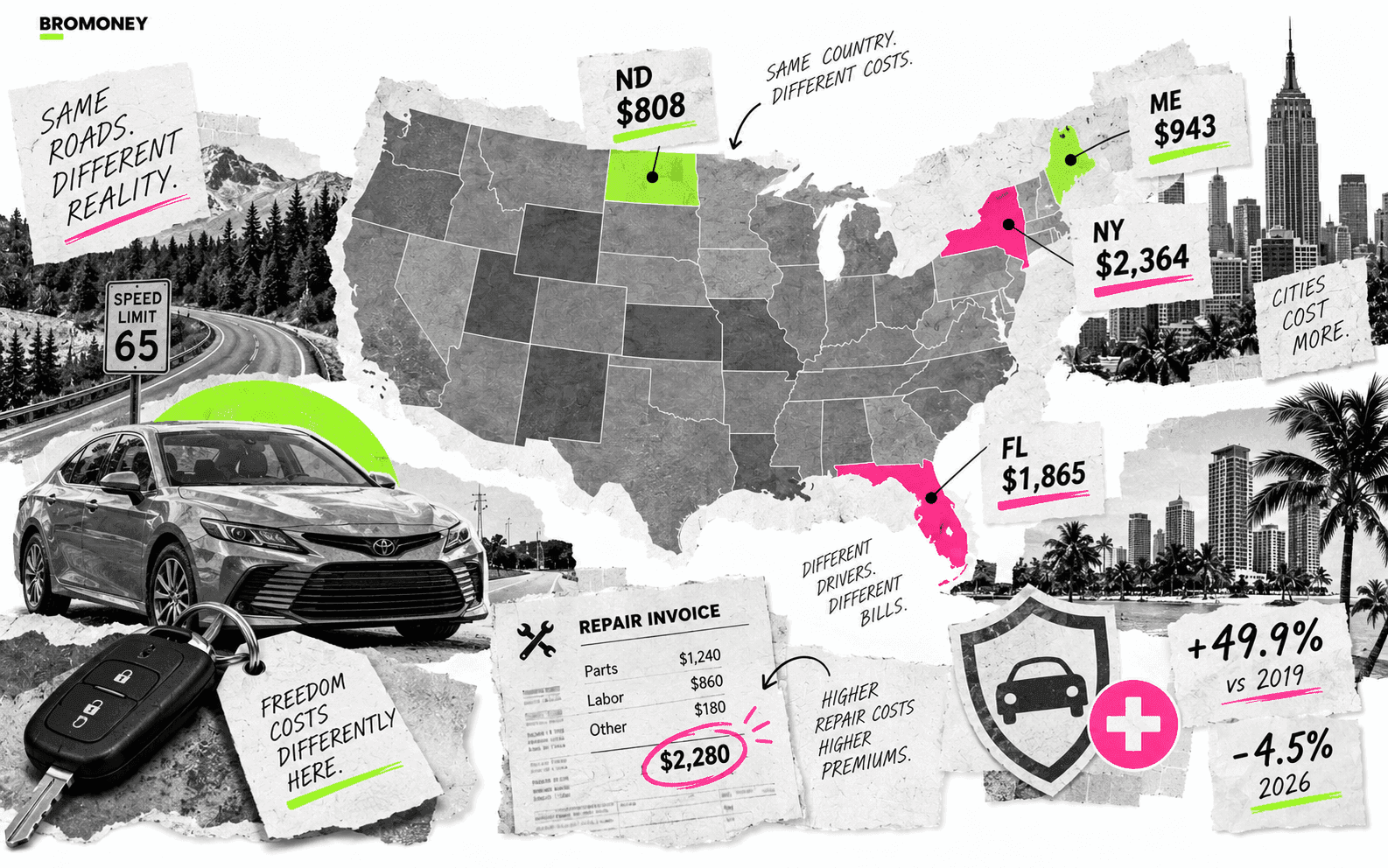
Why Car Insurance Went Up and What Actually Moves the Premium
Car insurance spending rose 12.3 percent in 2024, one of only two costs BLS called statistically significant. NAIC's 2023 state averages, why rates are falling even as the level sits 49.9 percent above 2019, what actually drives claims costs, and which levers on your policy are worth checking.
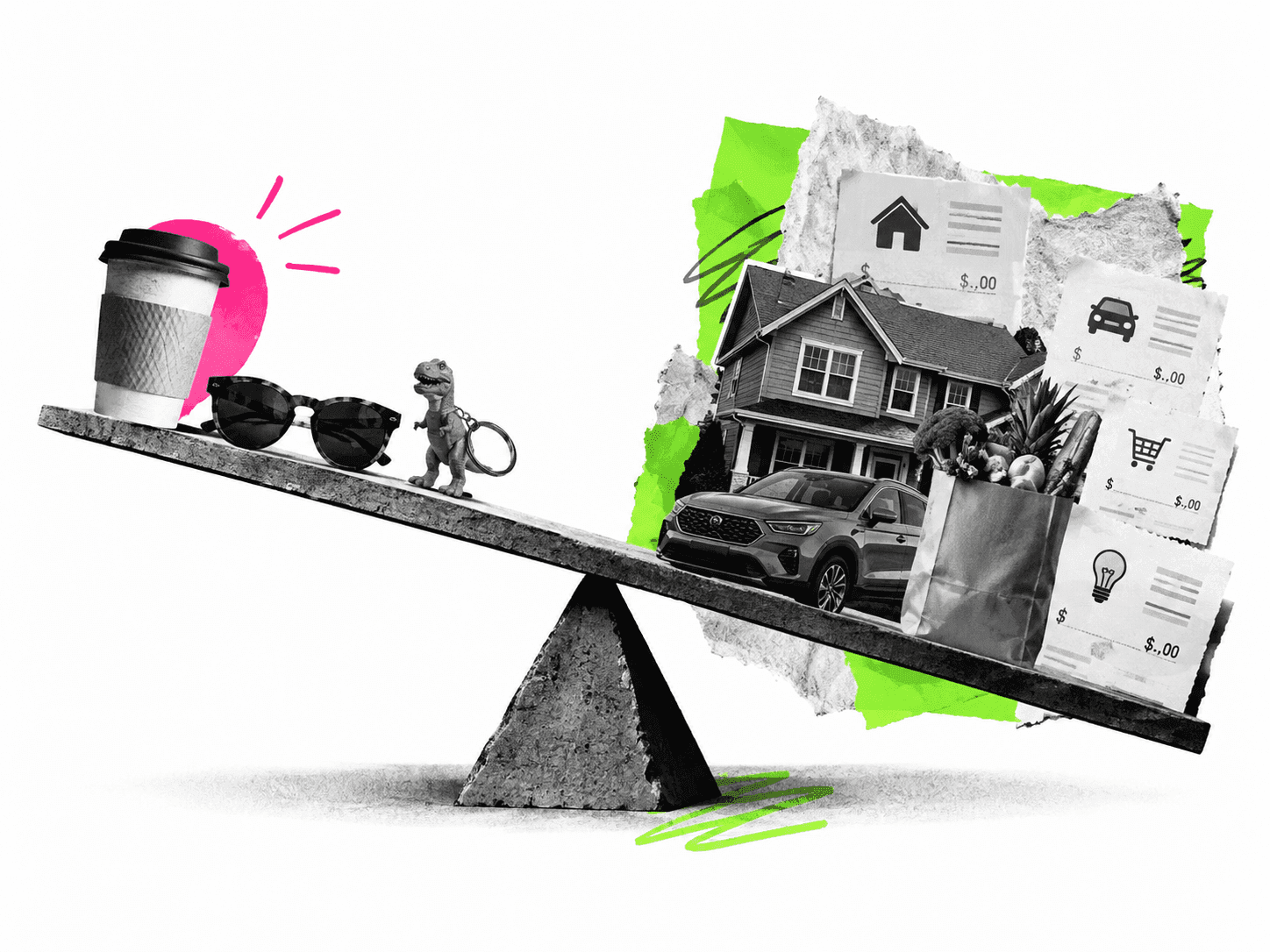
Stop Blaming the Latte: Impulse Buying Isn't the Whole Budget Story
BLS data shows apparel and entertainment spending barely moved in 2024, while car insurance, housing and groceries rose - some by double digits. Why the numbers behind the top impulse-buying articles don't hold up, and a review method that starts with the bills, not the coffee.