


Inheritance Rights: What Happens After a Borrower's Death
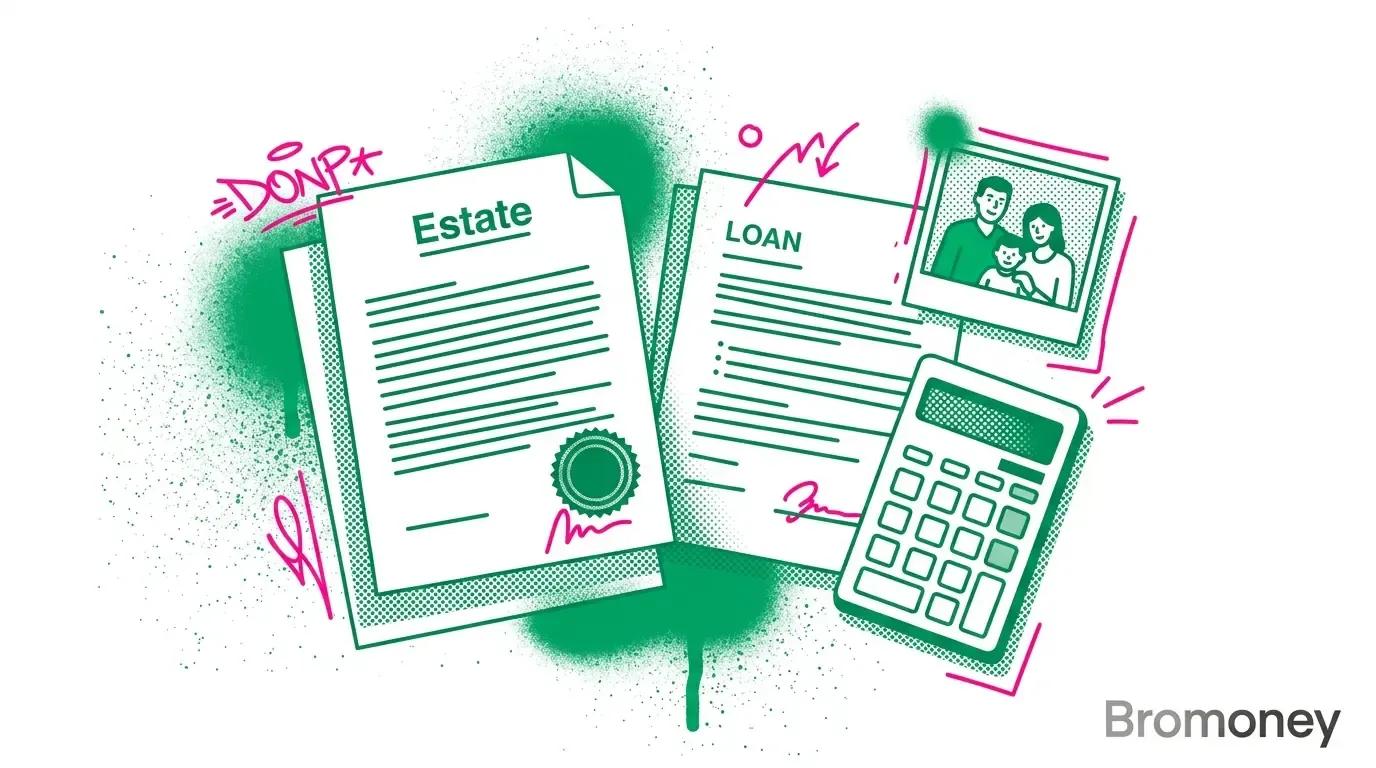
If a borrower dies, the debt usually becomes an estate issue first - not an automatic personal bill for the family. In the U.S., the practical question is not “Who loved the borrower?” It is “Who signed the contract, what property secures the loan, and what does state probate law allow?”
What Happens to a Loan After a Borrower's Death: General Principles
Debt does not disappear just because the borrower died. A creditor usually files a claim against the estate, meaning the money, real estate, vehicles, and other property left by the deceased person. The estate representative pays valid claims before distributing what remains to heirs, as California Courts explain in their probate guide.
Do Debts Pass on to Heirs
Heirs do not usually become personally liable just because they inherit. The Consumer Financial Protection Bureau states that survivors generally do not have to pay a deceased person’s debts unless they co-signed, were joint account holders, are a surviving spouse under a state rule, or fall under another legal exception.
This distinction matters in field work. I often see families panic after a collector calls. The first response should be simple: do not admit liability, do not make a personal promise, and ask whether the claim is against the estate or against you.
Legal Basis: Article 1175 of the Civil Code
There is no U.S. federal equivalent of Russia’s Article 1175 of the Civil Code. In Russia, that rule caps heirs’ liability at the value of inherited property. In the U.S., the result comes from a mix of state probate law, contract law, mortgage rules, and debt collection rules.
The closest U.S. working principle is this: the estate pays valid debts from estate assets, and an heir usually does not pay with personal money unless a separate legal basis applies. The CFPB explains the same core rule in its guidance on debt after death.
Extent of Heirs' Liability
The ceiling usually starts with the estate, not the heir’s checking account. If the estate lacks enough assets, unsecured debts often go unpaid or partially paid according to state priority rules.
Personal liability usually appears when the heir was also connected to the debt, such as:
- co-borrower or co-signer;
- joint credit-card account holder;
- surviving spouse under a state rule;
- person who assumed the debt in writing;
- person who improperly moved estate assets.
An authorized user on a credit card is different. The CFPB says an authorized user usually is not liable for the balance only because they had permission to use the card.
Types of Loans and Their Inheritance Features
What Happens to a Mortgage After a Borrower's Death
A mortgage creates two separate issues: the personal loan obligation and the lien on the home. The heir might not be personally liable for the mortgage debt, but the property still secures the loan.
Transition of Collateral Property to the Heir
The lien stays attached to the property. If a home passes to a successor in interest, federal mortgage servicing rules give that person a path to confirm identity and receive loan information. The CFPB defines a successor in interest in Regulation X.
Can the Bank Demand Early Repayment
A servicer should not treat death as a shortcut to foreclosure without following applicable rules. The successor still needs a plan. Payments, sale, assumption, refinance, or loss mitigation all start with getting verified by the servicer.
The CFPB warns that successor homeowners need access to loan information and foreclosure-prevention options because missed payments can still put the home at risk.
Consumer Loans and Credit Cards
Unsecured personal loans and credit-card balances usually become estate claims. A collector should not convert a child, sibling, or beneficiary into a personal debtor without a contract or state-law basis.
| Loan Type | Collateral | Typical Estate Treatment | Heir’s Personal Liability | Practical Move |
|---|---|---|---|---|
| Mortgage | Home | Lien stays on property | Usually no, unless signed or assumed | Contact servicer and confirm successor status |
| Auto Loan | Vehicle | Lien stays on vehicle | Usually no, unless signed or assumed | Keep payments current or sell vehicle |
| Personal Loan | Usually none | Claim against estate | Usually no, unless co-signed | Ask creditor to file estate claim |
| Credit Card | None | Claim against estate | Joint account holder can owe; authorized user usually does not | Verify account status before paying |
| Medical Debt | None | Claim against estate | Depends on state and spouse rules | Check state probate priority |
Borrower's Life Insurance: How It Affects Debt
When Insurance Pays Off the Debt Completely
Credit life insurance pays a lender when the borrower dies, but only if the policy covers the event and remains active. The CFPB describes credit insurance as optional coverage that can pay all or part of an auto loan after death.
Regular life insurance works differently. If a named beneficiary receives the proceeds directly, the money often bypasses probate. If no beneficiary exists, proceeds can enter the estate.
How an Heir Can Apply for an Insurance Payout
Start with documents. The insurer usually asks for the death certificate, policy number, claim form, loan documents, and proof that the claimant has authority to act.
Then verify how the payout is applied. In credit life insurance, the lender often receives payment first. Ask for written confirmation of the remaining balance after the insurer processes the claim.
What to Do If Insurance Doesn't Cover the Full Debt
If insurance pays only part of the balance, the unpaid amount remains an estate issue unless someone else signed for the debt.
Insurers also deny claims. The National Association of Insurance Commissioners lists common disputes such as policy lapse, misrepresentation, exclusions, beneficiary problems, and contestability issues. Life insurance contestability is commonly tied to a two-year review window, depending on policy and state law.
Heirs' Rights and Responsibilities on Credit Debts
Joint Liability of Multiple Heirs
Multiple heirs do not automatically split a parent’s loan like roommates splitting rent. The creditor usually deals with the estate representative first. Only after estate debts, taxes, and expenses are handled do beneficiaries receive what remains.
If one heir keeps a secured asset, such as a car or home, that heir should decide whether to pay, sell, refinance, or surrender the collateral.
Liability Limits - Not Exceeding Estate Value
In practical terms, the estate’s assets set the pool of money for estate creditors. Heirs should not use personal funds until they know whether they signed the debt or hold a special legal status.
My rule for clients is conservative: pay nothing personally until you identify the borrower, signer, collateral, insurance, and probate status.
Can Inheritance Be Renounced to Avoid Debts
Yes, but the rules depend on the state. A disclaimer or renunciation must follow state law, and timing matters. Simple silence is not always enough.
Consequences of Estate Renunciation
Renunciation usually means giving up both the asset and the burden connected to it. You do not get to keep the car and reject the auto loan lien.
“Treat renunciation as an all-or-nothing financial decision. If the estate is underwater, walking away can protect your cash flow. But once you use estate assets for yourself, you create avoidable risk.” - Denis Goncharenko, Financial Advisor
Step-by-Step Actions for an Heir After a Borrower's Death
Step 1 - Notify the Bank of the Borrower's Death
Send the death certificate to the lender or servicer and keep proof of delivery. Ask whether the account is unsecured, secured, insured, co-signed, or jointly held.
Step 2 - Open the Estate Case With Notary
In the U.S., probate usually goes through a local court, not a civil-law notary system. The court appoints a personal representative, executor, or administrator. That person gathers assets, reviews claims, and pays valid debts.
Probate deadlines differ by state. For example, Contra Costa Superior Court materials describe California creditor-claim procedures and note a four-month period in certain probate situations.
Step 3 - Check for an Insurance Policy
Review loan statements, closing papers, credit-card protection plans, employer benefits, and standalone life policies. For secured loans, ask the lender whether credit life insurance or debt cancellation coverage exists.
Step 4 - Accept or Renounce the Estate
Compare assets, liens, taxes, repairs, insurance, and sale costs. For a home, the visible market price is not enough. Equity after payoff is the number that matters.
If you are modeling whether payments fit your cash flow, use a tool such as our debt payoff calculator before signing a repayment agreement.
Step 5 - Settle the Debt With the Creditor
The estate representative should request written balances, verify claims, and avoid paying invalid debts. If a collector contacts you personally, ask for documentation showing why you are personally liable.
What the Bank Does After a Borrower's Death
Can the Bank Accrue Interest and Fines Post-Death
Contract interest can continue if the agreement allows it. Fees, default charges, and collection conduct still must comply with contract terms, probate rules, and debt collection law.
For mortgages, stopping payments is risky. Even when the heir is not personally liable, the servicer can still enforce the lien through foreclosure if required steps are met.
Can the Bank Demand Early Repayment From an Heir
A bank can seek payment from the estate. It cannot simply declare an ordinary heir personally liable without a signature, assumption, spouse rule, or other legal basis.
For secured property, the lender’s leverage is the collateral. That is why a mortgage or auto loan needs a faster decision than an unsecured credit card.
What Happens If There Are No Heirs - Abatement Property
If no heir takes the property, state law controls where the assets go. This is often called escheat. Creditors still look to estate assets, not random relatives.
The same cash-flow logic applies: no estate assets usually means unsecured creditors recover little or nothing.
Role of a Guarantor After a Borrower's Death
Guarantor's Responsibility With Heirs
In U.S. consumer credit, the closest role is a co-signer or co-borrower. Death of the main borrower does not usually release that signer. The lender can pursue the surviving signer under the contract.
Guarantor's Responsibility If Heirs Renounce the Estate
Renunciation by heirs does not automatically protect a co-signer. The co-signer’s liability comes from the loan agreement, not from inheritance. Before paying, the co-signer should ask for the note, payment history, payoff amount, and proof of any insurance claim.
Frequently Asked Questions (FAQ)
Do Children Have to Pay a Late Parent's Loan?
Usually no, unless they co-signed, held a joint account, assumed the debt, or fall under a state rule. The creditor normally files against the estate.
What Happens to Mortgage Property When a Borrower Dies?
The home can pass to a successor, but the lien remains. The successor should contact the servicer, confirm status, and decide whether to pay, sell, refinance, or request loss mitigation.
Does the Bank Accrue Interest After a Borrower's Death?
Often yes, if the contract allows it. That does not mean the heir owes personally. It means the claim can grow against the estate or collateral.
Can Inherited Mortgage Property Be Sold?
Yes. The sale proceeds usually pay off the mortgage first. Remaining equity goes to the estate or heirs under probate rules.
How to Check a Late Relative's Debts?
Start with the estate representative and court file. Then review mail, bank statements, credit-card statements, vehicle titles, mortgage records, and collector notices. Do not pay from your own account until liability is verified.

Denis Goncharenko
Head of Content
Editorial Policy: no secondary statistics. Every claim is linked to an official source and dated — datasets and methods are open for review.

Was this article helpful?
Same blogs
Payment Priority in Cash Flow Management: A Decision-Making System
A practical framework for ranking business payments, protecting payroll and taxes, and preventing cash gaps through better cash flow management.
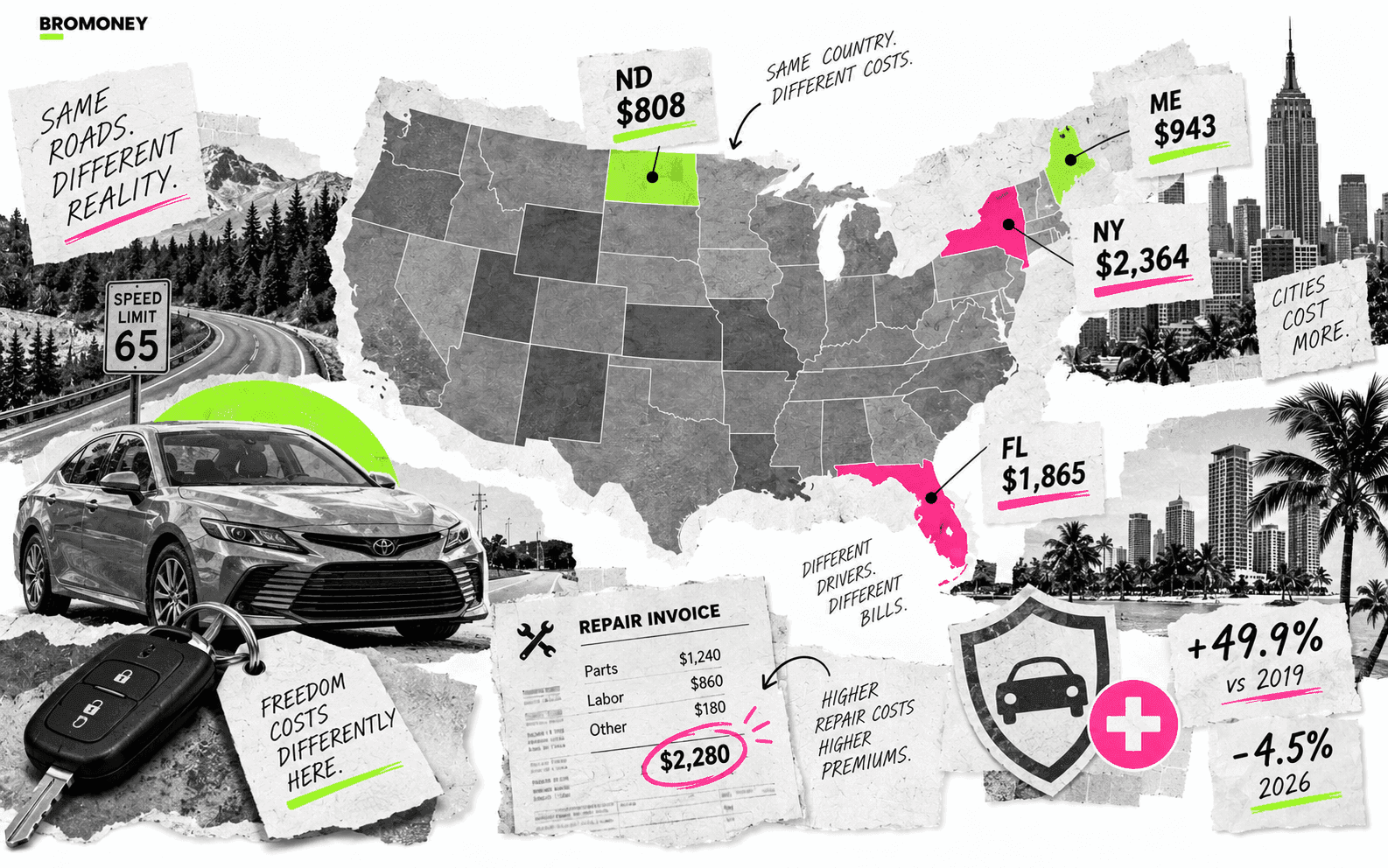
Why Car Insurance Went Up and What Actually Moves the Premium
Car insurance spending rose 12.3 percent in 2024, one of only two costs BLS called statistically significant. NAIC's 2023 state averages, why rates are falling even as the level sits 49.9 percent above 2019, what actually drives claims costs, and which levers on your policy are worth checking.
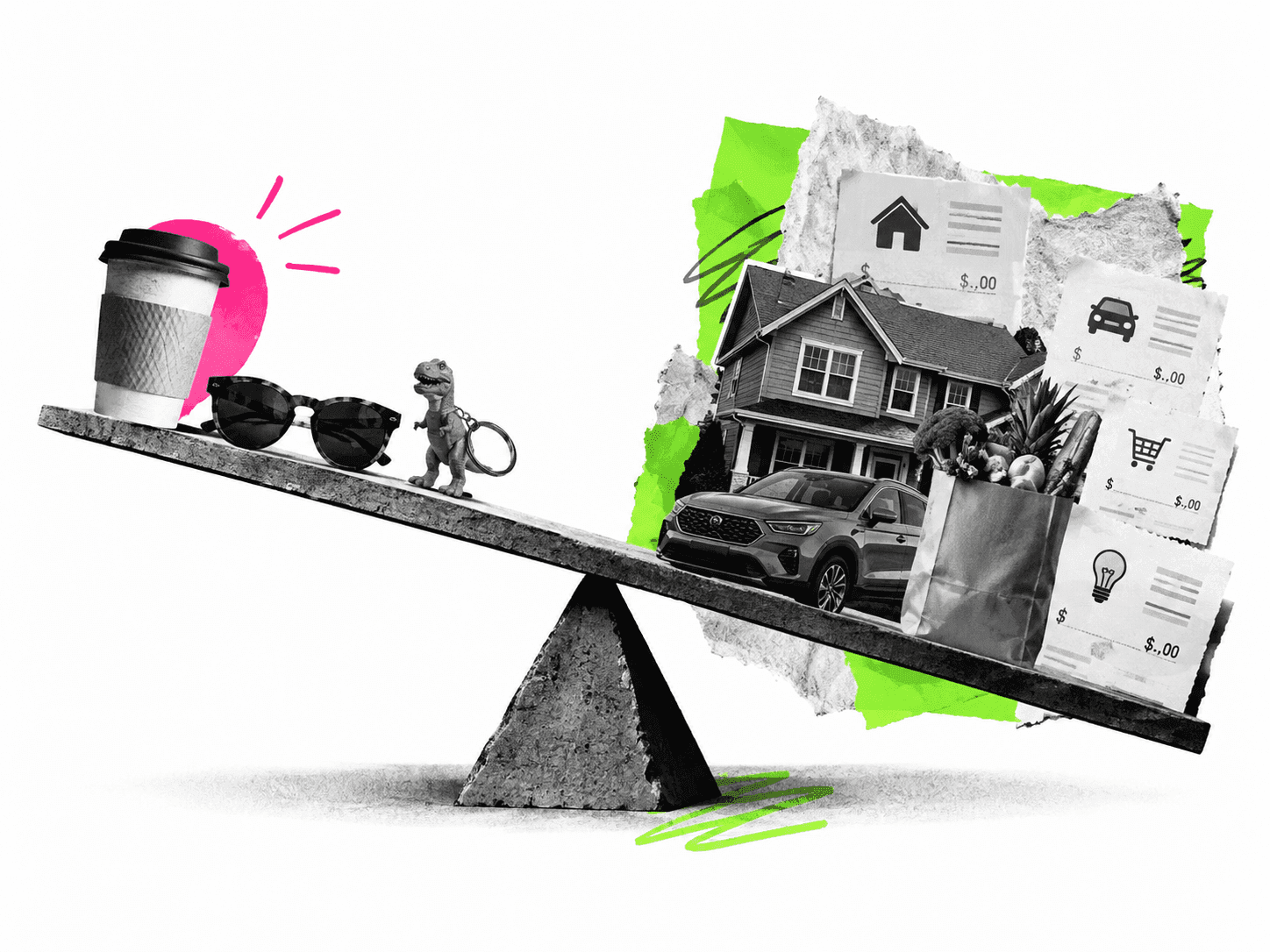
Stop Blaming the Latte: Impulse Buying Isn't the Whole Budget Story
BLS data shows apparel and entertainment spending barely moved in 2024, while car insurance, housing and groceries rose - some by double digits. Why the numbers behind the top impulse-buying articles don't hold up, and a review method that starts with the bills, not the coffee.