Age & Residency
You'll generally need to be at least 18 and a U.S. resident. Those basics help lenders review borrower eligibility before they look at the rest of your request.

Repair bill landed at the wrong time, or are you trying to fold several balances into one scheduled payment? In Florida, installment loan amounts can run from $300 to $25,000 and are repaid in fixed monthly payments over a set term. Fill out one form, review the options available to you, compare the costs, and choose your next step. Free to start. No obligation. Even with less-than-perfect credit.
Compare lenders and decide,
Get startedSecure 256-bit Connection
An installment loan is a loan repaid in a set number of scheduled payments, called installments, often for $300 to $5,000 and repaid over a fixed term in equal payments. The borrower gets the funds up front, then repays the amount borrowed plus interest until the balance reaches zero. It's also called a structured or scheduled-payment loan. Unlike a payday loan due in one lump sum, it spreads the cost across multiple payments, so you can plan around it.
Florida installment loan amounts can reach $25,000. You fill out one form, then review the options available in your account with the scheduled payment and term in front of you. Pick who to move forward with, or don't accept anything.
Florida's APR / rate cap is 30% on amounts up to $3,000; 24% on $3,001–$25,000. That gives you a clear ceiling to compare against while you review options. The decision belongs to the lender, and no outcome is promised.
Florida law and federal TILA rules require APR, finance charge, scheduled payment amount, and total of payments to be disclosed before you agree. That's the number to watch: what the loan costs across the whole term, not only what lands each month.
License required: Yes. Florida law requires a license from the Florida Office of Financial Regulation for consumer installment loans above 18% APR. Covered military borrowers also have the Military Lending Act's 36% MAPR cap as a federal protection.
The request may take a few minutes. Here's what most Florida lenders require before they can review your information and decide whether to offer credit.
You'll generally need to be at least 18 and a U.S. resident. Those basics help lenders review borrower eligibility before they look at the rest of your request.
A steady, verifiable income source, including benefits, helps lenders decide whether the payment fits your budget. They also review your credit profile, so keep the amount you can repay in mind before you move forward.
An active bank account is usually needed to receive funds and make scheduled payments. Check the payment setup before you choose, so the due dates don't catch you off guard.
An HVAC replacement in Orlando during a rough August, a Tampa car repair before the next paycheck, a few Fort Lauderdale store-card balances you want under one payment: these are ordinary reasons people look at installment loans in Florida. It isn't a character flaw. You fill out one form, review the options available in your account, compare the scheduled payment and term, and then decide whether any option fits your cash flow.
Credit card balances can get messy when several due dates hit the same month. In metro areas like Miami and Orlando, one reason people explore an installment loan is to replace separate card payments with a single scheduled amount. That doesn't promise savings. It simply changes the structure, so the total of payments is the number to compare before you choose.
The Federal Reserve's Survey of Household Economics and Decisionmaking reported that roughly 32% of U.S. adults would have difficulty covering an unexpected $400 expense without borrowing or selling something. That's national data, not Florida-only, but the pressure is easy to recognize in places like Pensacola or Cape Coral. Needing help with an unplanned cost is common. It doesn't make you careless.
Florida installment lenders must hold a license from the Florida Office of Financial Regulation under Fla. Stat. Ch. 516. You can check a lender's license status or file a complaint with the OFR. If you or a family member are active military, including people stationed at Eglin Air Force Base or NAS Jacksonville, the federal Military Lending Act caps the total cost of most consumer loans at 36% MAPR. Knowing where to verify the rules gives you firmer ground before you sign.
A surprise bill or a pile of balances can make your monthly budget feel crowded. On Bromoney, you fill out one form and review the options available to you in your account, with APR, scheduled payment, and payoff date laid out side by side. You compare, choose what fits your cash flow, or walk away. We're not a lender, we don't make credit decisions, and we don't push one option over another. It's free to start, there's no obligation, and we take a responsible approach to your data. Bromoney is operated by Money Broker LLC (DE File No. 10406065).

Estimate exactly how much you'll owe before you commit. Enter your loan amount and repayment term to see total costs, including fees and interest, laid out clearly.
Calculate my loanFlorida consumer installment loans are regulated mainly by the Florida Consumer Finance Act, Fla. Stat. Ch. 516, with oversight from the Florida Office of Financial Regulation. For loans above 18% APR and up to $25,000, state law requires the lender to hold a license. The chapter sets tiered rate caps, while federal Truth in Lending Act rules require APR and finance charge disclosures before you sign. For covered military borrowers, the federal Military Lending Act's 36% MAPR cap applies regardless of the state rate structure.
Legal status
Legal
Florida permits consumer installment loans under the Florida Consumer Finance Act.
Regulator
Florida Office of Financial Regulation (OFR)
The OFR oversees licensing, handles consumer complaints, and provides public license lookup tools.
Statute
Fla. Stat. Ch. 516 (Florida Consumer Finance Act)
This is the main state code section for consumer installment loans up to $25,000 at rates above 18% per year.
License required
Yes
Florida law requires an OFR license to make consumer installment loans above 18% APR. This describes state law, not any specific lender or marketplace.
Minimum loan amount
No statutory minimum
Fla. Stat. Ch. 516 does not set a principal floor; lenders set minimum amounts within the state framework.
Maximum loan amount
$25,000
The Florida Consumer Finance Act covers consumer loans up to $25,000 at rates above 18% per year.
Minimum loan term
No statutory minimum
Florida law does not set a minimum repayment term for installment loans under Ch. 516; the schedule is set in the loan agreement.
Maximum loan term
No statutory limit
Fla. Stat. Ch. 516 does not cap the repayment term; the term comes from the loan agreement within the lender's guidelines.
Maximum interest rate
Under the Florida Consumer Finance Act
The maximum annual interest rate is 36% on the first $10,000 of principal, 30% on the portion exceeding $10,000 and up to $20,000, 24% on the portion exceeding $20,000 and up to $25,000.
Origination fee
Not separately capped by Ch. 516
The chapter regulates the total interest rate rather than setting a separate origination fee cap; TILA disclosures reflect fees in the APR.
Late fee cap
Permitted; amount set by loan agreement
Late charges on delinquent installment loan payments are allowed, with the amount controlled by the contract and statutory limits.
Prepayment penalty
Prohibited
A lender licensed under the Florida Consumer Finance Act may not require a borrower to pay a prepayment penalty for paying all or part of the loan principal before its due date.
This table is for education only and is not legal or financial advice. Which specific rules apply to a given loan depends on the lender's license type and the loan amount under Florida law, so your actual agreement may differ from the general figures shown here. State regulations can change, and the Florida Office of Financial Regulation (flofr.gov) and the current text of Fla. Stat. Ch. 516 are the authoritative sources for current requirements. Reviewed as of 29 July 2026.
If your next paycheck is the only repayment date, that window can feel tight. A payday or single-payment loan is usually repaid in one lump sum, while an installment loan spreads what you borrow across scheduled payments over a term.
A credit card or line of credit works more like a running tab. You can borrow again as you repay, but there's usually no fixed payoff date. An installment loan is different: one amount, one scheduled payment, and a term with an ending point.
Credit unions, local lenders, and nonprofit programs may be worth a look, especially if you're already a member somewhere. Costs and rules can change by state, so compare those local options against any installment loan terms you see online.
Installment loans online don't work the same way in every state. Loan amounts, terms, APR caps, and legal rules can change where you live. Whether you borrow for a repair, scheduled payments, structured repayment, bad credit, or to consolidate bills, choose your state below and compare the options available to you.























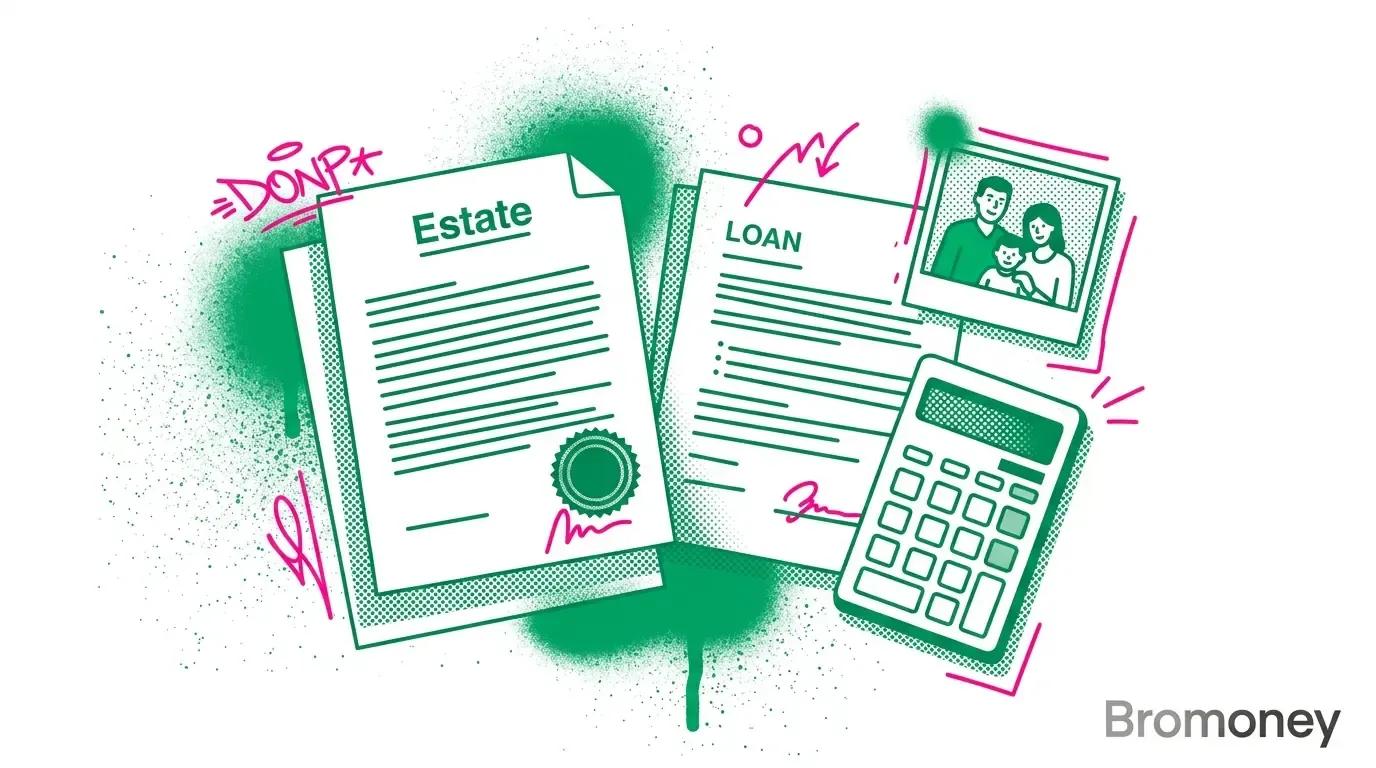
Yes, installment lending is legal in Florida. The main state law is the Florida Consumer Finance Act, Fla. Stat. Ch. 516, and consumer installment loans up to $25,000 with rates above 18% per year require a license from the Florida Office of Financial Regulation. That license requirement comes from Florida law; it isn't a statement about any particular lender or marketplace. Federal Truth in Lending Act (TILA) rules also require the lender to show the APR and finance charge before you agree to loan terms.
Florida consumer installment loans are regulated up to $25,000 under the Florida Consumer Finance Act (Fla. Stat. Ch. 516). The chapter doesn't set a statutory minimum loan amount, so some lenders may start around $300, but the exact floor is set by the lender. Terms usually run from several months to a few years with equal scheduled payments. The lender sets the amount and repayment schedule after reviewing your income, existing debt, and credit history. No approval is promised.
Florida installment loan costs are capped by the tiered interest limits in Fla. Stat. § 516.031. The maximum annual rate is 30% on loans up to $3,000 and 24% on the portion from $3,001 to $25,000. Those numbers are ceilings, not a quote for your situation. Before you agree to anything, TILA requires the lender to show the loan amount, APR, finance charge, scheduled payment amount, and total of payments. Look at the APR, then look at the total of payments. A lower monthly payment can still cost more over time if the term stretches out.
No, an installment loan is not the same as a payday loan in Florida. Payday loans are governed by Fla. Stat. Ch. 560, Part IV, are typically due as one lump-sum payment on your next payday, and have a maximum amount of $500. Installment loans under Fla. Stat. Ch. 516 work differently: you repay them through equal scheduled payments over several months to a few years, and the balance amortizes as you pay. One is a single-payment product, the other is a scheduled-payment loan. That's a structure comparison, not a recommendation.
Florida installment loans don't roll over the way some short-term products do. If a scheduled payment is missed, the lender may charge a late fee, and Fla. Stat. § 516.031 permits charges on delinquent amounts within the loan agreement's terms. Some contracts also include an acceleration clause, which can make the full remaining balance due after a missed payment. The credit damage can add up, too, because missed payments are often reported to the major credit bureaus and collections can make the mark worse. If you already see trouble coming, contact the lender before the due date and ask what the agreement allows.
Yes, Florida installment lenders may check your credit. A hard inquiry is possible, and more than one lender may run one, and it can affect your credit score. That's not a small detail, so it's better to see it plainly before you start. The decision belongs entirely to the lender, and no outcome is promised.
Installment loans can affect your credit in either direction, depending on how the loan is handled. Many installment lenders report payment activity to the major credit bureaus. On-time scheduled payments may support your payment history over time, while missed payments or default can hurt it. Don't treat that as a score promise. The credit inquiry used when you check your options can also affect your score, and an account that reaches collections can remain on your credit report for up to seven years under the federal Fair Credit Reporting Act. The part you control most is the scheduled payment landing on time.
Yes, a Florida installment lender can file a civil lawsuit over unpaid loan debt. If the lender obtains a court judgment, wage garnishment may be available, but the federal Consumer Credit Protection Act (CCPA) caps garnishment at no more than 25% of disposable earnings, or the amount by which weekly disposable earnings exceed 30 times the federal minimum wage, whichever is less. Florida's head-of-household exemption may protect more wages for people who support dependents. Unpaid loan debt by itself does not mean arrest or criminal charges. An unsecured installment loan can generally be included in bankruptcy, though your situation and bankruptcy type matter, so a qualified legal or financial professional is the safer person to ask before you make that call.
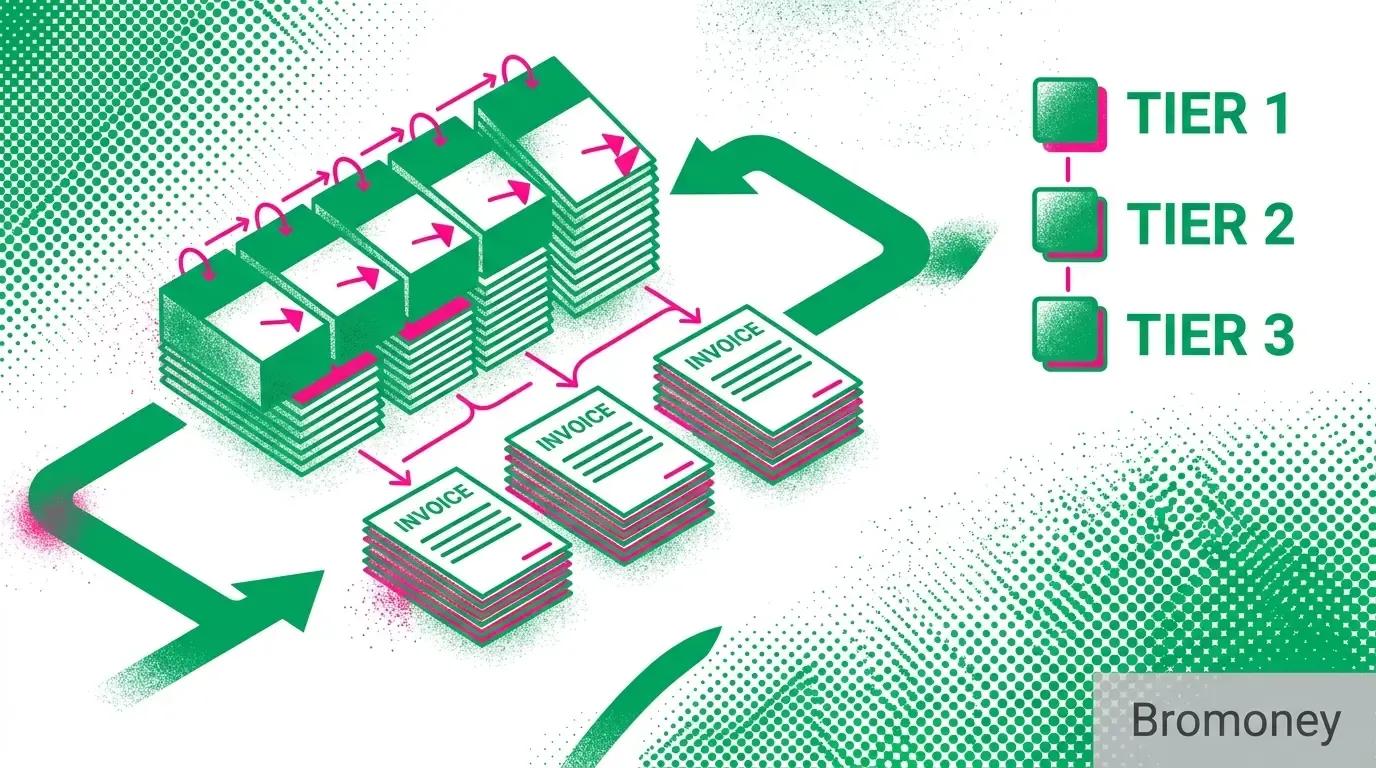
The average US consumer unit spent $78,535 in 2024 - about $6,545 a month. This page sets that spending record against the price indexes for the same two years, category by category, using our own CE-CPI crosswalk, and states plainly what the figures cannot show.
We bridge the gap between your financial goals and premier lending services nationwide.
Bromoney is a free loan marketplace operated by Money Broker LLC (DE File No. 10406065). Bromoney is not a lender and does not make credit decisions. A hard inquiry is possible, and more than one lender may run one, and it can affect your credit score. Every option you review shows the loan amount, APR, finance charge, scheduled payment, and total of payments before you agree to anything. For example, on a $1,000 installment loan repaid in equal monthly payments over a set term, the APR reflects the annualized cost of interest and any fees across the full repayment schedule, and the total amount repaid is the sum of all scheduled payments. Consumer installment loans in Florida are regulated under the Florida Consumer Finance Act, Fla. Stat. Ch. 516, administered by the Florida Office of Financial Regulation. Covered military borrowers are protected by the Military Lending Act's 36% MAPR limit. Bromoney is not available in all states. We take a responsible approach to your data, and we do our best to prevent unwanted calls, though lenders and partners in our marketplace may contact you about your request.
You know the drill: one loan request, then waiting for the calls to start. Here you stay in control — we treat your information with care, you compare the options available to you, and you choose which lender or partner to move forward with. We can't speak for every partner, but we do our best to keep unwanted calls down.

Submitted over a secure connection