Age & Residency
You'll generally need to be at least 18 and a U.S. resident. Those basics help lenders review borrower eligibility before they look at the rest of your request.

A planned bill can still land at the worst possible time. With a Virginia installment loan, you repay through fixed monthly payments over a set term instead of facing one payday lump sum. Use one form, review the options available to you, and pick the payment and term that fit your budget, even with less-than-perfect credit.
Compare lenders and decide,
Get startedSecure 256-bit Connection
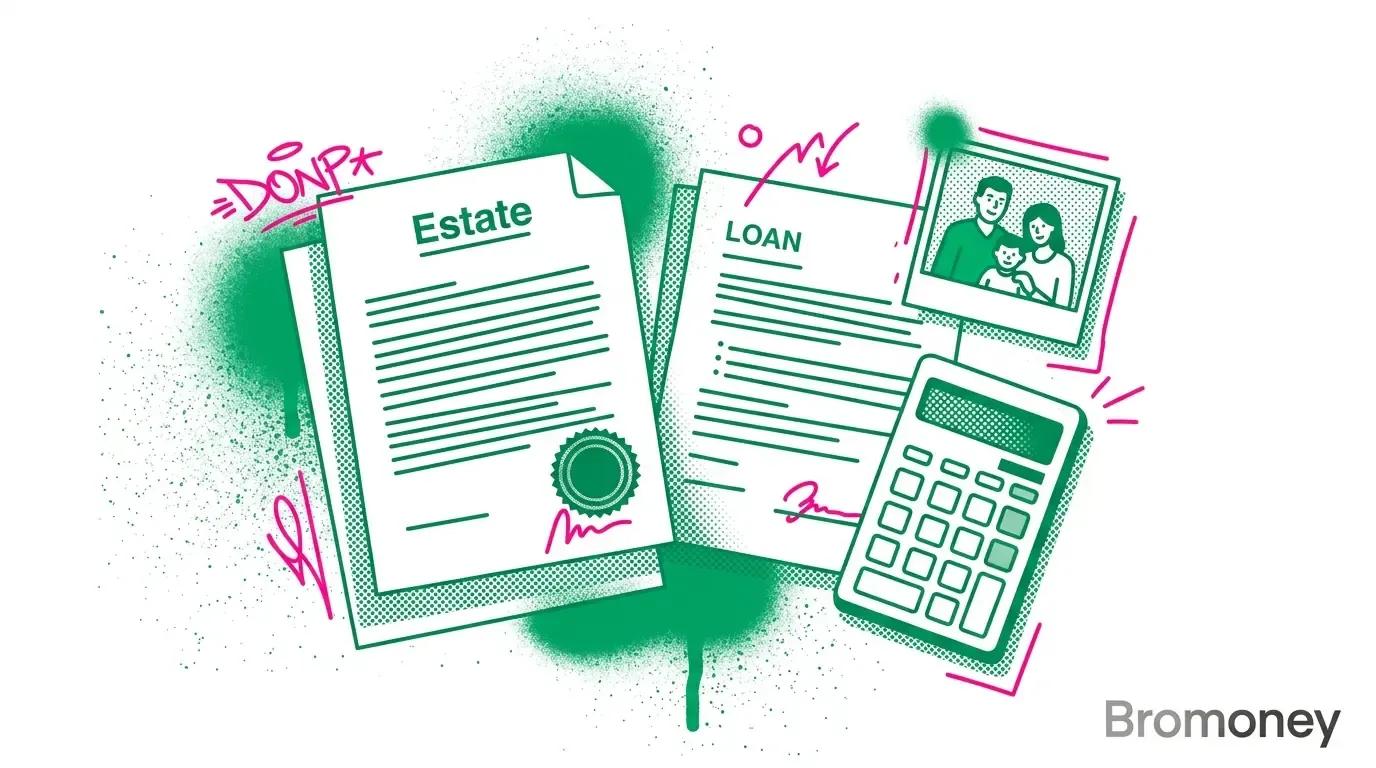
An installment loan is a loan repaid in a set number of scheduled payments, called installments, often for $300 to $5,000 and repaid over a fixed term in equal payments. The borrower gets the funds up front, then repays the amount borrowed plus interest until the balance reaches zero. It's also called a structured or scheduled-payment loan. Unlike a payday loan due in one lump sum, it spreads the cost across multiple payments, so you can plan around it.
When a bill lands before your budget is ready, the payment schedule matters. Virginia's repayment structure is Scheduled installments over a set term: the balance is paid down through equal monthly payments, not one lump sum. One form reaches lenders and partners in our marketplace, then you compare the options in your account and choose who, if anyone, to move forward with.
A thin or bruised credit file can make the process feel stacked against you. The state anchor is Legal and regulated, and Virginia law sets no minimum credit score for this product. The lender still makes the credit decision, and no outcome is promised. Your job is to compare the payment and term you see, then pick what fits your cash flow.
The monthly payment is only one piece of the price. Cost disclosure (TILA) is Required before you agree, which means the lender must show the APR, finance charge, and total you repay over the full term. That's the number to sit with before you say yes.
This isn't an unregulated corner of credit. License required: Yes, because Virginia law requires installment lenders to hold a state license from the Virginia State Corporation Commission (SCC). Covered service members and dependents get another layer of protection too: 36% MAPR (federal MLA) for most consumer credit.
The request may take a few minutes. Here's what most Virginia lenders require before they can review your information and decide whether to offer credit.
You'll generally need to be at least 18 and a U.S. resident. Those basics help lenders review borrower eligibility before they look at the rest of your request.
A steady, verifiable income source, including benefits, helps lenders decide whether the payment fits your budget. They also review your credit profile, so keep the amount you can repay in mind before you move forward.
An active bank account is usually needed to receive funds and make scheduled payments. Check the payment setup before you choose, so the due dates don't catch you off guard.
A home repair in Richmond or a medical bill in Virginia Beach can be too big for one paycheck, even when the expense isn't a surprise. That's where the installment structure can feel more workable: equal monthly payments over a set term, with the cost spread across a schedule you can actually plan around. You review the options available to you, then choose the payment and term that fit your cash flow.
The average credit score in Virginia is around 721 as of 2024, according to Experian, ranking among the higher states. A fair-to-good score is ordinary in places like Richmond, not a reason to feel written off. A hard inquiry is possible, and more than one lender may run one, and it can affect your credit score. Better to know that before you start comparing.
Consumers in Virginia carry an average balance of about $6,500 as of 2024, according to Experian. For people in Virginia Beach and across the state, combining several balances into one scheduled monthly payment can be the reason they look at a personal installment loan. Do the math with both numbers in front of you: APR and total of payments, not just what lands on the monthly bill.
Roughly 37% of U.S. adults (2023) would have trouble covering an unexpected $400 expense without borrowing or selling something. That's national data, not a Virginia-only number, but the squeeze is familiar in Richmond and Virginia Beach. An installment loan isn't the only answer. For a cost too large for one paycheck and too important to ignore, scheduled repayment can make the math easier to see.
The Virginia State Corporation Commission (SCC) is the place to check a Virginia installment lender's license and file a consumer complaint. If an offer feels off, start there. Service members at Joint Base Langley-Eustis and covered dependents also have the Military Lending Act behind them, with a 36% MAPR cap on most consumer credit regardless of what any individual lender offers.
You fill out one form, then review the options that appear in your account with APR, scheduled payment, and term laid out side by side. Pick one, or don't. Bromoney isn't a lender, doesn't make credit decisions, and doesn't push you toward a particular offer. The marketplace costs you nothing to use, it's free to start, and there's no obligation to choose anything. We take a responsible approach to your data and do our best to prevent unwanted calls. Bromoney is operated by Money Broker LLC (DE File No. 10406065).

Estimate exactly how much you'll owe before you commit. Enter your loan amount and repayment term to see total costs, including fees and interest, laid out clearly.
Calculate my loanVirginia puts installment lending under the Virginia State Corporation Commission (SCC). State licensing is a legal requirement for lenders offering this product in Virginia, not a claim about any particular option you may see. Federal rules also sit on top of state law: the Truth in Lending Act requires APR and finance charge disclosures before you agree, and the Military Lending Act gives covered service members a 36% MAPR cap. Your actual rate, payment, and term are shown in the options available in your account.
Legal status
Legal and regulated
Installment lending is legal in Virginia and regulated at the state level.
Regulator
Virginia State Corporation Commission (SCC)
The SCC licenses Virginia installment lenders and takes consumer complaints. You can check a lender's license on the SCC website.
License required
Yes
Virginia law requires an installment lender doing business in the state to hold an SCC license. That is a legal rule, not a claim about marketplace participants.
Payday lending status
Legal and regulated separately
Payday lending is legal in Virginia, but it is regulated as a separate product with its own structure and rules.
Repayment structure
Scheduled installments over a set term
An installment loan is paid down through scheduled payments over a fixed term, rather than one full-balance payment at once.
Rollovers
Not applicable to installment loans
Installment loans use a fixed repayment schedule, so rollover rules for single-payment products do not define this loan type.
Cost disclosure (TILA)
Required before you agree
The Truth in Lending Act requires the lender to show APR, finance charge, scheduled payment, and total of payments before you agree.
Military protection
36% MAPR (federal MLA)
The Military Lending Act caps the cost of most consumer credit for covered active-duty service members and dependents at 36% MAPR.
This information is educational and is not legal or financial advice. The specific rules that govern any loan depend on the lender's license type and the loan amount under Virginia law, so a particular agreement may differ from the general figures shown above. Regulations can change. For current requirements, contact the Virginia State Corporation Commission (SCC) or review the official Virginia code.
If your next paycheck is the only repayment date, that window can feel tight. A payday or single-payment loan is usually repaid in one lump sum, while an installment loan spreads what you borrow across scheduled payments over a term.
A credit card or line of credit works more like a running tab. You can borrow again as you repay, but there's usually no fixed payoff date. An installment loan is different: one amount, one scheduled payment, and a term with an ending point.
Credit unions, local lenders, and nonprofit programs may be worth a look, especially if you're already a member somewhere. Costs and rules can change by state, so compare those local options against any installment loan terms you see online.
Installment loans online don't work the same way in every state. Loan amounts, terms, APR caps, and legal rules can change where you live. Whether you borrow for a repair, scheduled payments, structured repayment, bad credit, or to consolidate bills, choose your state below and compare the options available to you.



















Yes, installment lending is legal in Virginia. The Virginia State Corporation Commission (SCC) regulates the product, and Virginia law requires an installment lender offering it in the state to hold the proper state license. That licensing requirement is a rule of Virginia law, not a statement about any specific option in a marketplace. The federal Truth in Lending Act also matters here: before you agree to a loan, the lender must show the APR and finance charge so the cost is not buried in fine print.
Virginia installment loan amounts and terms are set by the lender within the rules that govern the loan. Once your options appear in your account, compare the scheduled payment and term side by side, then choose what fits your month. The credit decision sits with the lender, and no outcome is promised.
An installment loan in Virginia must show its cost before you agree. Under the federal Truth in Lending Act, each option has to disclose the loan amount, APR, finance charge, scheduled payment, and total of payments. Look at more than the monthly number. A longer term may make that payment easier to fit into your month, but it can also leave you paying more over the life of the loan. The exact rate and cost are shown in your specific option.
No, an installment loan is not the same as a payday loan in Virginia. An installment loan is paid down through equal scheduled payments over a set term, while a payday loan is a separate regulated product with a different repayment structure. If you're weighing the two, focus on the payment schedule, total cost, and when the balance is actually due.
A missed Virginia installment loan payment can lead to a late fee if your loan agreement allows one. The lender may also have the right, depending on the contract, to accelerate the balance, which means asking for the remaining amount at once. If the account goes to collections, that can be reported to the major credit bureaus and hurt your score. Don't wait until the due date is already gone. If you know a payment won't clear, contact the lender early and ask what options exist under your agreement.
Yes, installment lenders in Virginia check credit. A hard inquiry is possible, and more than one lender may run one, and it can affect your credit score. Virginia law does not set a minimum credit score for this product, so a lower score is not a personal verdict. The lender makes the credit decision, and no outcome is promised.
Installment loans in Virginia can affect your credit in either direction. Many installment lenders report payment activity to the major credit bureaus, so on-time payments may support your payment history over time. Missed payments, default, or collections can hurt it. A hard inquiry is possible, and more than one lender may run one, and it can affect your credit score. Under federal FCRA rules, a collection account or default typically stays on a credit report for around seven years. The piece you control most is simple, even if the month is tight: whether each scheduled payment is made on time.
Yes, an installment lender in Virginia can sue over an unpaid debt and may pursue wage garnishment after winning a court judgment. Federal law under the Consumer Credit Protection Act limits garnishment to no more than 25% of disposable earnings, or the amount by which weekly disposable earnings exceed 30 times the federal minimum wage, whichever is less. Lower earners may be fully protected. A civil debt does not send you to jail. An installment loan is typically unsecured and may be part of a bankruptcy case, though bankruptcy is a major step to discuss with a qualified professional.
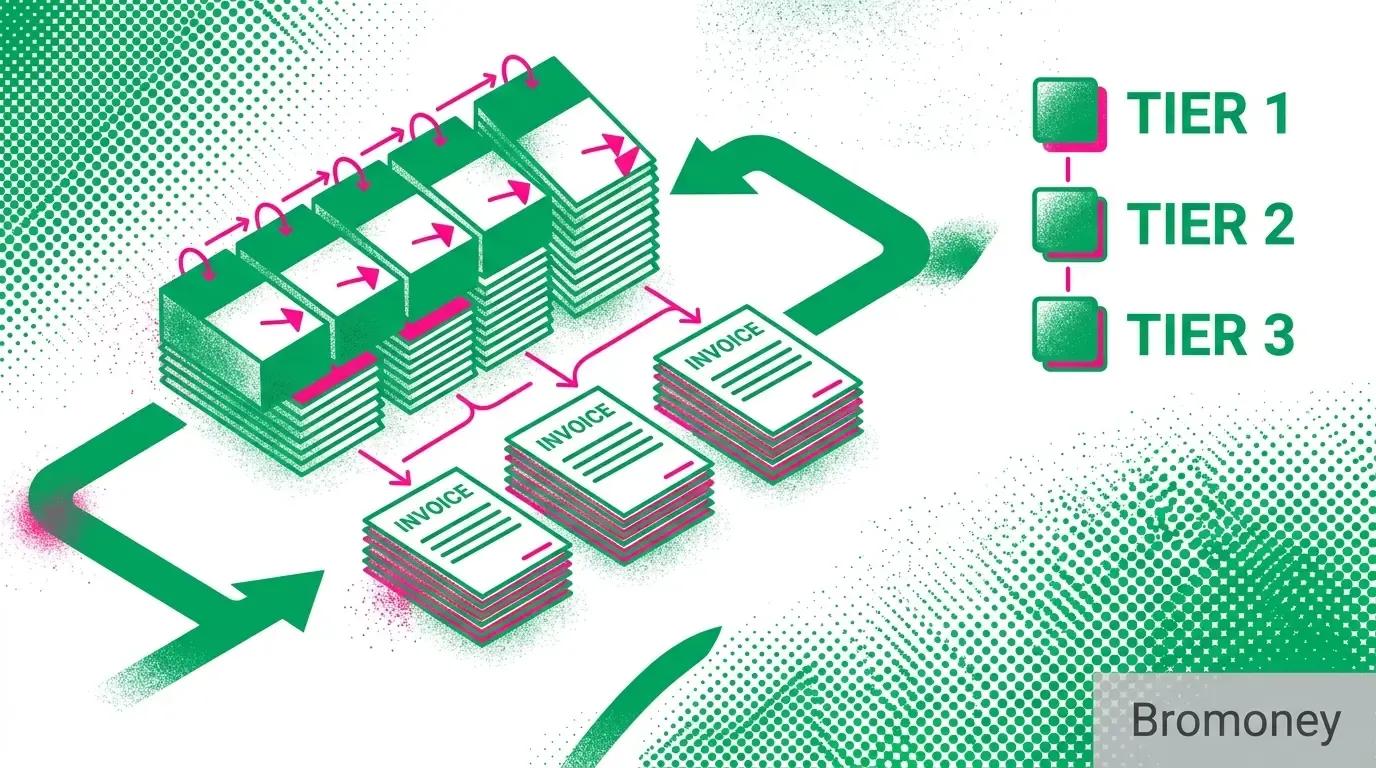
The average US consumer unit spent $78,535 in 2024 - about $6,545 a month. This page sets that spending record against the price indexes for the same two years, category by category, using our own CE-CPI crosswalk, and states plainly what the figures cannot show.
We bridge the gap between your financial goals and premier lending services nationwide.
Bromoney is a free loan marketplace operated by Money Broker LLC (DE File No. 10406065). Bromoney is not a lender and does not make credit decisions. A hard inquiry is possible, and more than one lender may run one, and it can affect your credit score. Before you agree to any loan, the lender must disclose the loan amount, APR, finance charge, scheduled payment, term, and total of payments. Installment lending in Virginia is overseen by the Virginia State Corporation Commission (SCC). Covered military borrowers have federal protection under the Military Lending Act's 36% MAPR limit. Bromoney is not available in all states. We take a responsible approach to your data and do our best to prevent unwanted calls, but you may be contacted about your request.
You know the drill: one loan request, then waiting for the calls to start. Here you stay in control — we treat your information with care, you compare the options available to you, and you choose which lender or partner to move forward with. We can't speak for every partner, but we do our best to keep unwanted calls down.

Submitted over a secure connection