Verifiable Income
A steady paycheck, benefits, or another verifiable income source can carry real weight when your credit file is less than perfect. Lenders use it to judge ability to repay, not just a FICO number.

Explore bad credit loan options in North Carolina. Compare transparent rates and NC-compliant terms from licensed lenders to find a solution that fits your financial needs.
Compare lenders and decide,
Get StartedSecure 256-bit Connection
A bad credit loan is a personal, installment, or short-term loan available to borrowers with low credit scores, generally below 580. Lenders may look at income, employment, and ability to repay along with credit history, so a low score doesn't automatically take you out of consideration. You may also see it called a loan for poor or less-than-perfect credit. Plenty of solid borrowers carry files like this.
Many NC-licensed lenders process applications within one business day. Once approved, funds can be deposited into your account in as little as 24-48 hours.
Lenders in North Carolina often work with borrowers with FICO scores starting from 520. A low score isn't an automatic disqualifier; lenders also consider income and DTI ratio.
We connect you with lenders holding an active license from the NC Commissioner of Banks. All loan terms comply with state rate caps and disclosure requirements.
The request may take a few minutes. Here's what most North Carolina lenders require before they can review your information and decide whether to offer credit.
A steady paycheck, benefits, or another verifiable income source can carry real weight when your credit file is less than perfect. Lenders use it to judge ability to repay, not just a FICO number.
You'll generally need to be at least 18 and a U.S. resident. Basic, but lenders still have to check it.
An active bank account helps a lender send funds and collect repayment. It also gives them a clearer look at cash flow.
North Carolina features structured rate tiers unique in the Southeast. Unlike South Carolina, which permits higher-rate products, NC's system keeps blended APRs lower, resulting in more affordable borrowing costs for qualified applicants.
Borrowers are protected by the NC Commissioner of Banks (NCCOB), which enforces the Consumer Finance Act. A loan from a lender not registered with the NCCOB may be legally unenforceable—a critical protection to verify before signing.
North Carolina's Consumer Finance Act (N.C.G.S. Chapter 53, Article 15) limits interest rates, protecting you from predatory terms. Bromoney connects you only with licensed NC lenders, letting you compare compliant offers without sifting through out-of-state providers.

Estimate exactly how much you'll owe before you commit. Enter your loan amount and repayment term to see total costs, including fees and interest, laid out clearly.
Calculate my loanLegal lending restrictions for NC residents.
Max Loan Amount
$15,000
Based on North Carolina Consumer Finance Act, N.C.G.S. § 53-173
Max Term
Up to 84 months
Maximum allowed repayment window for consumer installment loans in NC
APR/Fees
30% on first $4k / 24% on next $8k / 18% above
Tiered rate cap under North Carolina statutes; no single flat APR ceiling
Rollovers
Allowed, with restrictions
North Carolina law permits refinancing but includes provisions to protect against predatory loan flipping.
Information provided is for educational purposes only. Borrowers are encouraged to review all loan terms carefully before signing. Interest rates and fees vary by lender and loan type.
Need a payment plan you can actually map out? Installment loans spread repayment across scheduled dates, which can make the path easier to follow than one lump-sum payoff.
If the gap is small and your next check is close, a payday option may cover the bill. The window's tight, and the cost can add up, so read the repayment amount before you choose.
Some borrowers also look at secured loans, credit-union alternatives, or credit-builder products. These can work differently from online loan options, especially if membership or collateral is involved.
Bad credit loans online can look different by state. Loan amounts, terms, APR caps, rollover rules, and repayment options may change based on local law. If you carry less-than-perfect credit, compare the options available to you with your income and budget in mind, then review your state page before you choose.


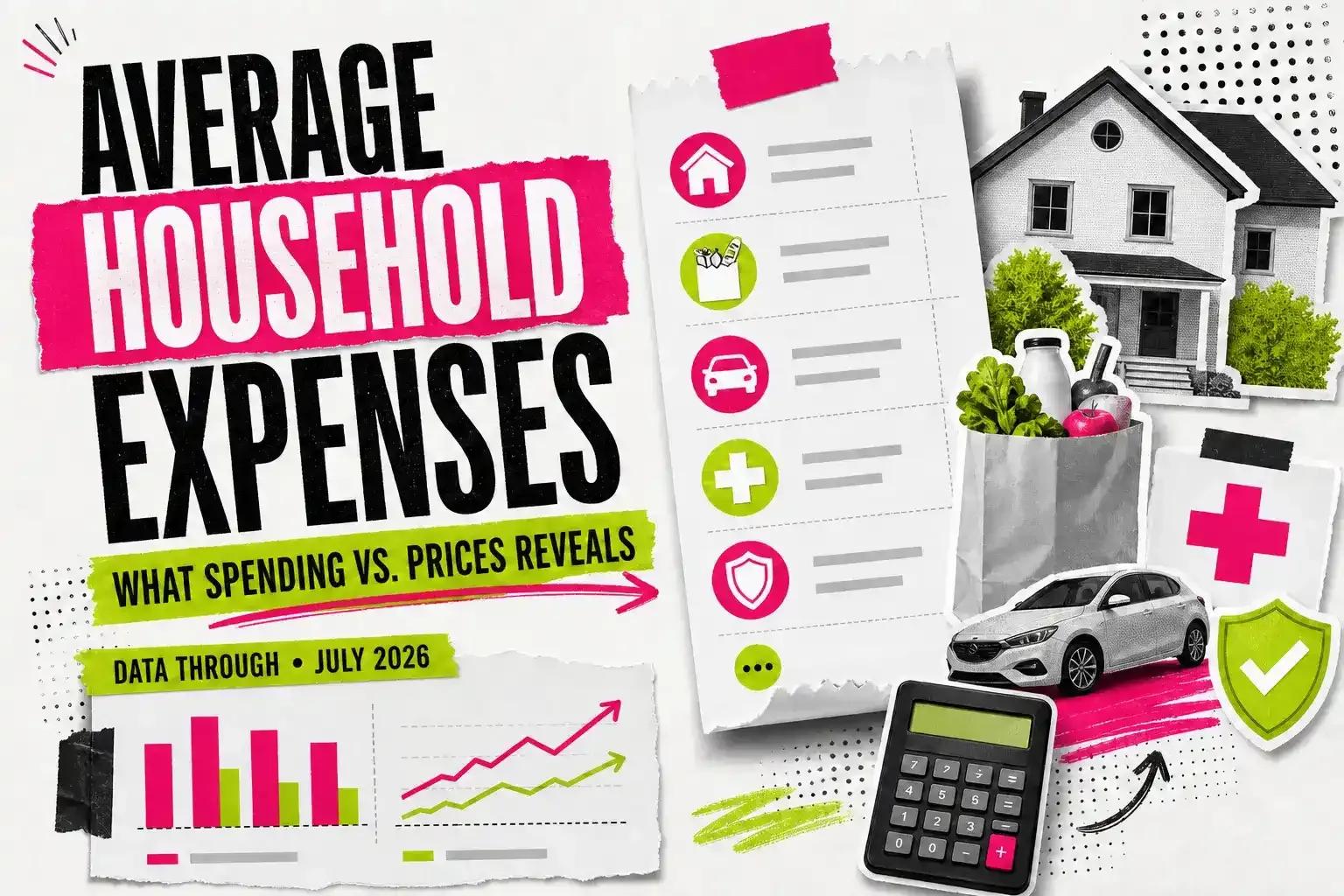
The average US consumer unit spent $78,535 in 2024 - about $6,545 a month. This page sets that spending record against the price indexes for the same two years, category by category, using our own CE-CPI crosswalk, and states plainly what the figures cannot show.
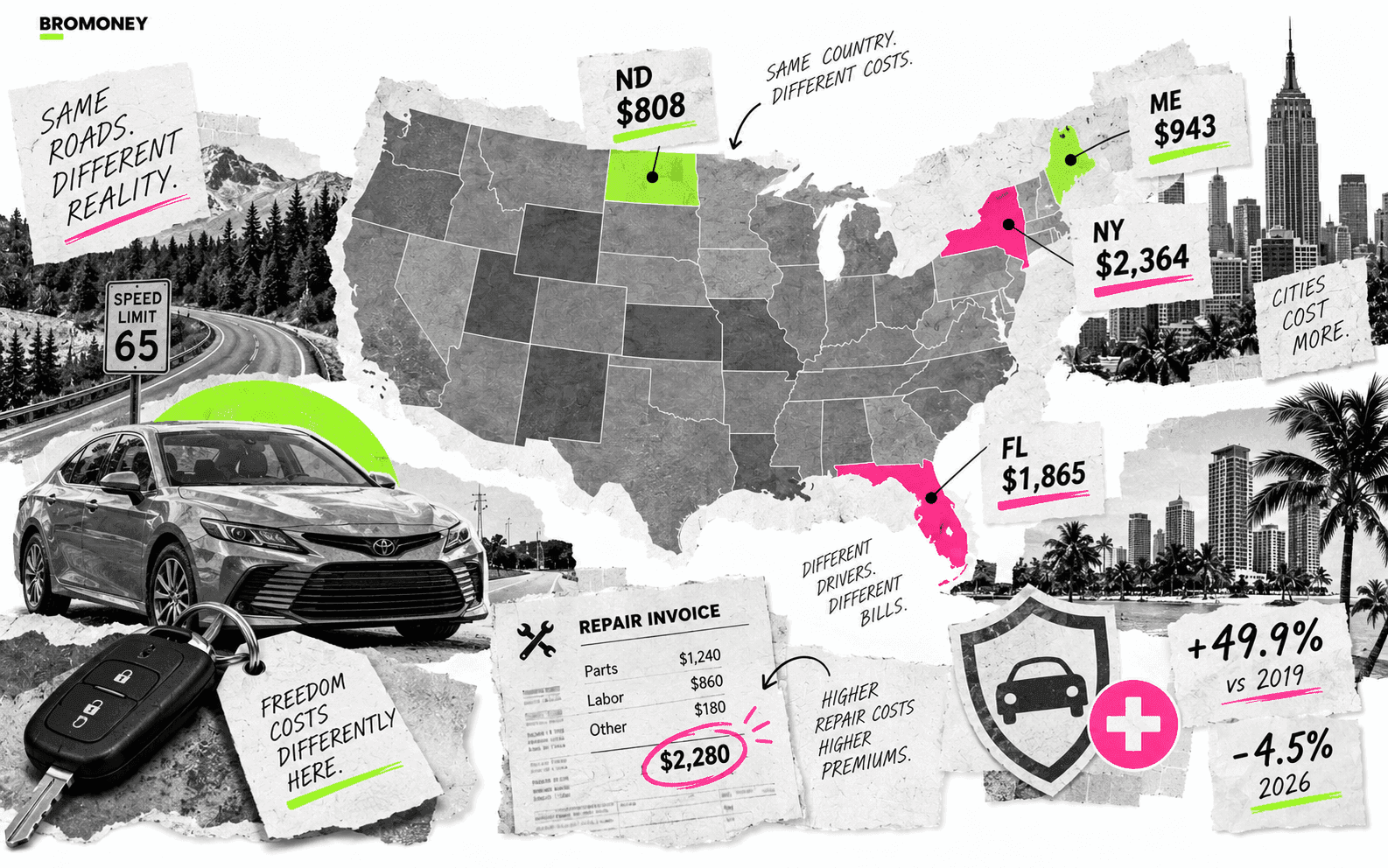
Car insurance spending rose 12.3 percent in 2024, one of only two costs BLS called statistically significant. NAIC's 2023 state averages, why rates are falling even as the level sits 49.9 percent above 2019, what actually drives claims costs, and which levers on your policy are worth checking.
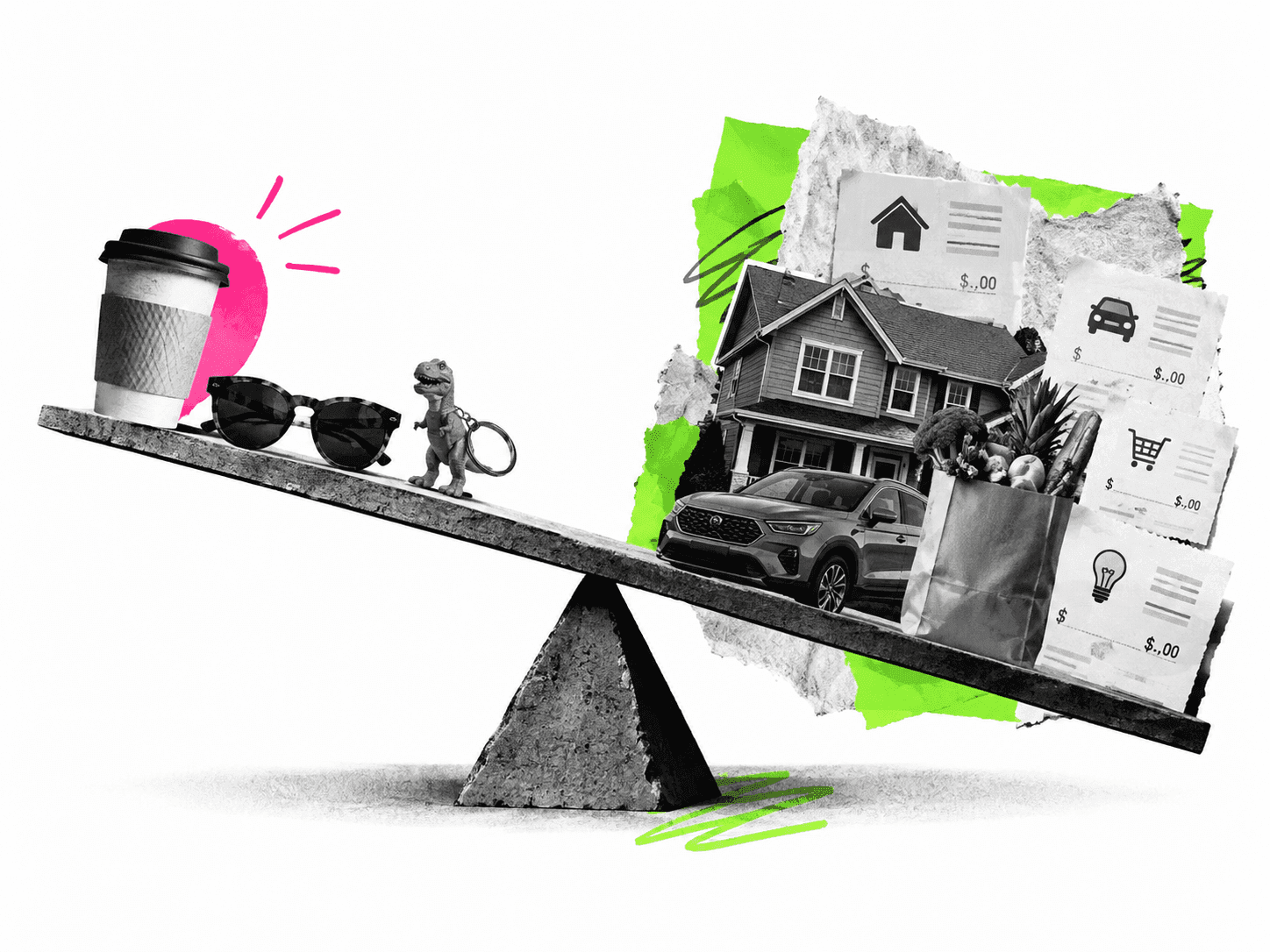
BLS data shows apparel and entertainment spending barely moved in 2024, while car insurance, housing and groceries rose - some by double digits. Why the numbers behind the top impulse-buying articles don't hold up, and a review method that starts with the bills, not the coffee.
We bridge the gap between your financial goals and premier lending services nationwide.
This page is informational and does not guarantee approval. Actual rates depend on your lender and North Carolina regulations.
You know the drill: one loan request, then waiting for the calls to start. Here you stay in control — we treat your information with care, you compare the options available to you, and you choose which lender or partner to move forward with. We can't speak for every partner, but we do our best to keep unwanted calls down.

Submitted over a secure connection