


When Debt Consolidation Makes Sense: A Fit Check
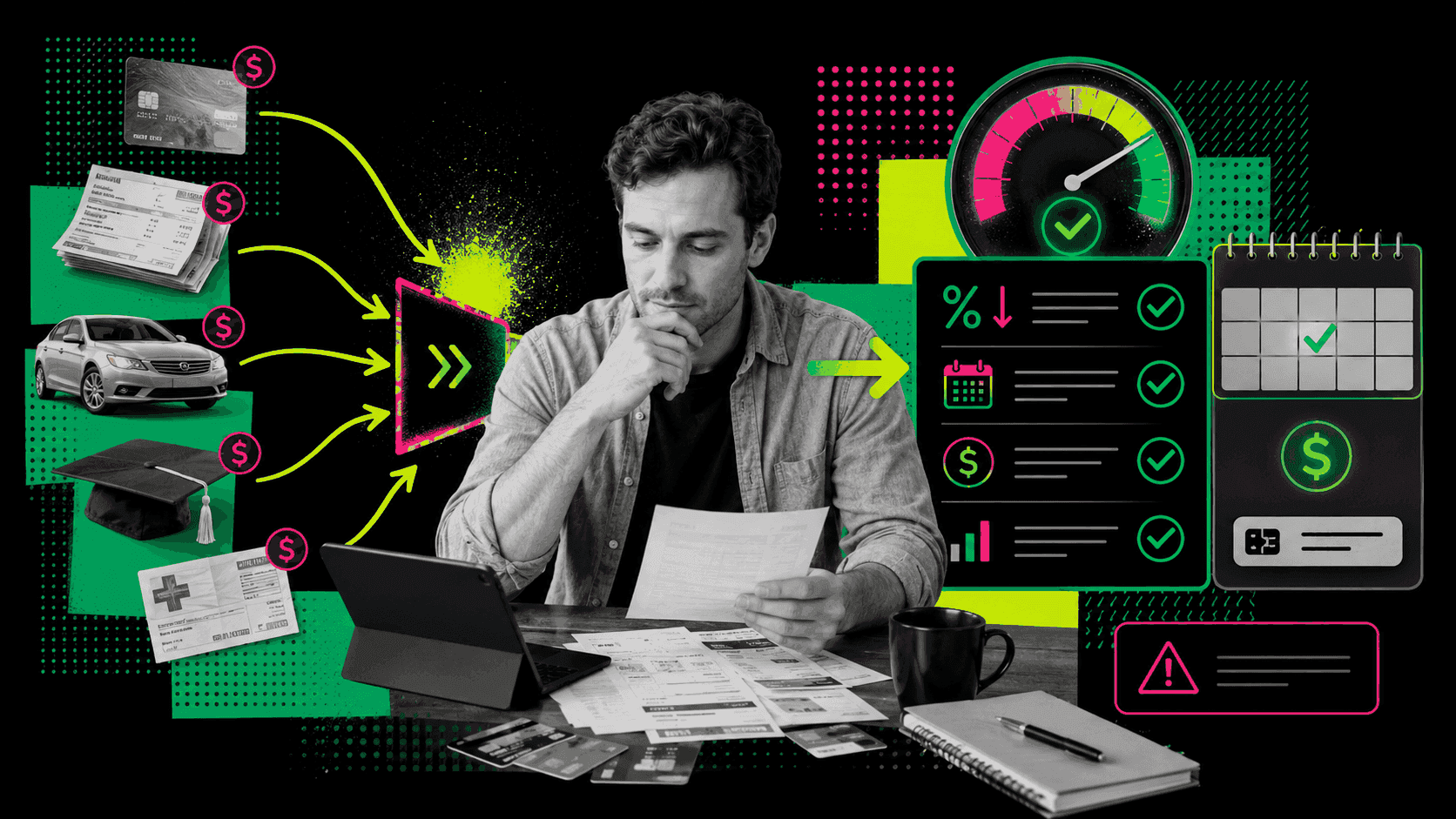
Debt consolidation sounds like the obvious answer when credit card balances, medical bills, personal loans, and due dates start piling up. One payment feels calmer than five. A fixed payoff date feels better than revolving debt that barely moves. A lower interest rate sounds like a win before the math even starts.
Still, the better question is not only "is debt consolidation a good idea?" The better question – "is debt consolidation a good idea for this debt, this budget, and this borrower?" A consolidation loan can lower interest, simplify payments, and create a cleaner repayment path. It can also hide a spending problem, stretch debt for too many years, or turn unsecured debt into secured debt.
Debt consolidation is a tool, not a rescue plan by itself. It works when the new structure helps the borrower repay debt faster, cheaper, or with less confusion. It fails when the loan pays off credit cards, and those same cards start filling up again. The fit check matters because consolidation does not erase the balance. It changes the route to repayment.
What Debt Consolidation Actually Solves
Debt consolidation combines multiple debts into one repayment structure. That structure may be a personal loan, balance transfer card, home equity loan, HELOC, cash-out refinance, or debt management plan. The Consumer Financial Protection Bureau describes a debt consolidation loan as money borrowed to repay separate loans, followed by one repayment obligation over time.
That means consolidation solves three problems well: scattered payments, high interest, and lack of a clear payoff timeline. A borrower with four credit cards may have four due dates, four minimum payments, four APRs, and no firm end date. A consolidation loan can replace that setup with one monthly payment and a fixed term.
The strategy does not solve every debt problem. It does not create more income. It does not lower expenses. It does not repair spending habits. It does not guarantee approval for a better rate. If the household budget still runs negative each month, consolidation only delays the pressure.
This is why "is debt consolidation wise" depends on the reason behind the debt. If the debt came from a one-time disruption and income has recovered, consolidation can make sense. If the debt grows because monthly expenses exceed income, a new loan becomes another bill.
When Debt Consolidation Is a Good Idea
Debt consolidation makes sense when the new loan clearly improves the current debt structure. The improvement should show up in numbers, not just in a cleaner dashboard. A lower APR, lower total interest cost, fixed payoff date, fewer due dates, or reduced risk of missed payments can all justify the move.
The strongest fit is high-interest credit card debt paired with stable income. Credit cards often charge variable rates and allow balances to linger through minimum payments. A fixed-rate personal loan can create a repayment schedule that moves the balance toward zero each month. That structure helps borrowers who want discipline without using home collateral.
Another good fit is a borrower with several accounts and strong repayment behavior. Some people do not overspend, but their debts sit in scattered places after medical bills, moving costs, car repairs, or a period of lower income. For them, one payment can reduce administrative mistakes and make budgeting easier.
Debt consolidation also makes sense when the borrower qualifies for direct pay. With direct pay, the lender sends funds to creditors instead of depositing the full loan amount into the borrower's checking account. That lowers the chance that the payoff money gets used for something else before the balances clear.
When Debt Consolidation Is Not a Good Idea
Debt consolidation is not a good idea when it lowers the monthly payment only by stretching repayment too long. A loan that cuts the payment from $650 to $390 may look helpful. If it adds years of interest, the borrower may pay more in the end. A lower payment is useful only when it fits a larger plan to reach zero.
It is also a poor fit when the borrower plans to keep using paid-off credit cards. This is the classic consolidation trap. The loan pays off the cards, credit limits open back up, and the borrower starts charging again. Six months later, the household carries the consolidation loan plus new credit card balances.
Consolidation also deserves caution when fees erase savings. Origination fees, balance transfer fees, closing costs, appraisal fees, annual fees, and prepayment penalties all affect the real cost. A headline APR does not tell the full story. The borrower needs the total repayment cost after fees.
The highest-risk version appears when unsecured debt becomes secured debt without a clear reason. A home equity loan or HELOC may lower the rate, but it ties consumer debt to the home. Credit card default is serious. Mortgage or home equity default can threaten the property.
Are Debt Consolidation Loans a Good Idea?
Are debt consolidation loans a good idea? They can be, especially when used to replace high-interest revolving debt with a fixed installment loan. The best cases involve a lower APR, a payment that fits the budget, and a borrower who stops carrying balances on the paid-off cards.
A debt consolidation loan is less useful when the APR is close to or higher than the current blended rate. Borrowers with weaker credit may receive offers that look official but do not save money. A high-rate loan with an origination fee can create the appearance of progress while increasing the total cost.
The loan term matters as much as the rate. A shorter term usually means a higher monthly payment but lower total interest. A longer term lowers the monthly pressure but can keep the debt alive. The right term should fit cash flow without turning a temporary debt problem into a long-term obligation.
A personal loan often works better than a balance transfer when the borrower needs structure. A balance transfer can be cheaper during a promotional period, but it still uses a credit card. A fixed loan creates one payment and one end date. For borrowers who need guardrails, that matters.
Is a Debt Consolidation Loan a Good Idea for Credit Card Debt?
Is a debt consolidation loan a good idea for credit card debt? Often, yes, but only when the new loan beats the cards on cost and structure. Credit cards are revolving. They invite minimum payments, variable rates, and repeated borrowing. A fixed installment loan can close that loop.
The borrower should compare the weighted average APR across the cards with the APR and fees on the loan. If the cards average 24% and the loan costs 13% with a reasonable fee, the savings can be meaningful. If the cards average 18% and the loan costs 17% plus a large origination fee, the benefit may be thin.
Credit impact also needs context. Applying for a loan can create a hard inquiry. Opening a new account can affect account age. At the same time, paying down credit card balances can lower credit utilization, which may help scores. The long-term result depends on on-time payments and whether card balances stay low.
The borrower should also decide what happens to the cards after payoff. Closing every card can reduce available credit and shorten credit history. Leaving every card active without rules can invite new debt. A safer middle path is to keep older cards open, remove them from wallets and apps, set spending alerts, and use autopay for any small recurring charge.
Is Debt Consolidation Worth It?
Is debt consolidation worth it? The answer lives in the total cost comparison. A consolidation option is worth it when it saves enough money, reduces missed-payment risk, or creates a repayment structure the borrower can actually follow.
Worth is not always about interest alone. A borrower who keeps missing due dates because of scattered accounts may benefit from one payment even if the interest savings are modest. A borrower whose minimum payments barely reduce balances may benefit from a fixed payoff schedule. A borrower under stress may benefit from a plan that makes the next 36 or 48 months predictable.
Still, emotional relief should not replace math. The borrower should calculate the current path and the proposed path. Current path means all existing payments, APRs, balances, and expected payoff timeline. The proposed path means the loan amount, APR, fees, term, payment, and total repayment cost. If the proposed path costs more, the reason needs to be clear and justified.
Are debt consolidation loans worth it for everyone? No. They are worth it when they improve repayment. They are not worth it when they create room for new borrowing or trade short-term comfort for long-term cost.
The Fit Check: Five Questions Before Applying
A borrower can avoid most bad consolidation decisions by answering a few questions before comparing lenders. The goal is to test the plan, not chase approval.
- Will the new APR be lower after fees?
- Will the debt reach zero faster or on a clear schedule?
- Does the monthly payment fit the verified budget?
- Will paid-off cards stay at zero?
- Does the loan avoid unnecessary collateral risk?
If the answer is yes across the list, consolidation deserves serious review. If one answer is no, the plan needs adjustment. If several answers are no, a different route may fit better.
This check also reveals whether the borrower needs a loan or a broader debt plan. Someone with a stable income and high-interest cards may need a consolidation loan. Someone behind on payments with collection notices may need credit counseling, hardship programs, or legal advice. Someone facing debts that cannot be repaid within a realistic timeline may need to discuss bankruptcy with an attorney.
When Is Debt Consolidation a Good Idea After a Financial Setback?
Debt consolidation often makes sense after a temporary setback has ended. A job loss, medical event, move, divorce, or emergency repair can create balances that do not reflect the borrower's normal budget. Once income stabilizes, consolidation can turn the aftermath into a fixed repayment plan.
The timing matters. Applying too early can lead to poor terms because the borrower's credit, income, or cash flow still looks strained. Waiting until income is stable and the budget is documented can improve approval odds and reduce the chance of taking the wrong loan.
A good post-setback consolidation plan includes a small emergency buffer. Without that buffer, the next unexpected bill goes back onto a credit card. Even a modest buffer can protect the consolidation plan during the first months of repayment.
The borrower should also avoid using consolidation to clean up every account automatically. Some low-interest debts may be better left alone. Federal student loans, for instance, can include protections that private refinance or consolidation products do not offer. The goal is not to combine everything. The goal is to improve the debts that need improvement.
When Debt Consolidation Is Wise for High Earners
High income does not always prevent debt stress. It can hide it. A borrower with high income may carry large credit card balances because minimum payments stay manageable. The problem becomes visible only when rates rise, bonuses change, or expenses increase.
For high earners, debt consolidation is wise when it imposes structure. A fixed loan removes the ability to float balances indefinitely. It also turns debt repayment into a scheduled obligation rather than a monthly decision.
The risk for high earners is overborrowing. Large loan approvals can create false confidence. A lender may approve more than the borrower needs. Taking extra cash weakens the plan. The loan should cover targeted balances and necessary fees, not lifestyle upgrades.
A high earner should also choose a term that matches cash flow. If the debt can be repaid in three years, choosing a seven-year term for comfort may waste money. The best plan uses income strength to shorten the repayment timeline.
Expert Tip
"Debt consolidation works better when the borrower treats the paid-off credit cards as closed for spending, even if the accounts remain open. The technical credit decision and the behavioral decision are different. The behavior matters more."
Red Flags Before Signing
A consolidation offer deserves caution when the lender or company promises easy approval, guaranteed savings, or immediate credit repair. No legitimate provider can guarantee every borrower saves money. The numbers depend on credit, income, debt size, fees, and behavior after payoff.
Another red flag is pressure to stop paying creditors. That language often points toward debt settlement, not standard debt consolidation. The CFPB warns that debt settlement and debt consolidation are different paths. Settlement can involve missed payments, collection activity, and credit damage. The FTC also restricts many debt relief companies from charging fees before settling or otherwise resolving a consumer's debts.
Borrowers should also be cautious with secured consolidation offers that gloss over collateral. A home equity product can be useful, but the risk belongs in plain language. If credit card debt becomes home-secured debt, the consequence of default changes.
The final red flag is vague payoff handling. A borrower should know whether funds go directly to creditors or to the borrower's bank account. If self-pay is required, payments should be scheduled as soon as funds arrive. Delays create room for mistakes.
Alternatives When Consolidation Does Not Fit
When consolidation does not fit, that does not mean the borrower has no options. A creditor hardship program may reduce rates or payments for a period. A nonprofit credit counseling agency may offer a debt management plan that consolidates payments without a new loan. A balance transfer card may fit borrowers who can finish repayment during the promotional period.
For borrowers in deeper distress, debt settlement and bankruptcy may enter the conversation. They are not standard consolidation tools. They carry different risks and should be reviewed carefully. Bankruptcy requires legal advice. Debt settlement requires caution because creditors do not have to accept offers, and credit damage can be substantial.
A self-directed payoff plan can also work when the math supports it. Debt avalanche targets the highest APR first. Debt snowball targets the smallest balance first. An avalanche usually saves more interest. Snowball can build motivation. Either method works better than a consolidation loan that does not improve cost or behavior.
Final Takeaway
Debt consolidation makes sense when it improves the repayment path. It should lower interest, reduce confusion, create a fixed payoff date, or lower missed-payment risk. It should also fit the budget and include a plan to keep paid-off cards from becoming new debt.
Is debt consolidation a good idea? Yes, when the borrower has stable income, a better offer than current debts, and the discipline to stop adding balances. Is debt consolidation wise when the budget is still negative, fees erase savings, or collateral risk rises? Usually not.
Are debt consolidation loans a good idea? They are a good idea when the loan moves debt toward zero in a safer, cheaper, clearer way. Is a debt consolidation loan a good idea just because the payment is lower? No. The payment is only one line in the decision.
Debt consolidation should make debt less expensive, less confusing, and more temporary. If it does not do those three things, the borrower should keep looking.
Frequently Asked Questions
Is debt consolidation a good idea?
Debt consolidation is a good idea when it lowers total cost, simplifies several payments, and creates a clear payoff plan. It is not a good idea when it only lowers the monthly payment by stretching the debt longer.
When is debt consolidation a good idea?
Debt consolidation is a good idea when the borrower has stable income, high-interest debt, and a loan or program that improves the current repayment path. It also requires a plan to avoid new balances on paid-off accounts.
Are debt consolidation loans worth it?
Debt consolidation loans are worth it when the APR, fees, term, and payment beat the current debt strategy. They are not worth it when fees erase savings or the borrower keeps using paid-off credit cards.
Is a debt consolidation loan a good idea for bad credit?
It depends on the offer. Bad credit can lead to high APRs and fees. A nonprofit credit counseling plan may be a better fit when loan terms do not reduce costs.
Is debt consolidation wise if the payment is lower?
A lower payment helps only when the total cost and repayment time still make sense. If the lower payment comes from a much longer term, the loan may cost more over time.

Denis Goncharenko
Head of Content
Editorial Policy: no secondary statistics. Every claim is linked to an official source and dated — datasets and methods are open for review.

Was this article helpful?
Same blogs
What Average Household Expenses Show About Price Pressure - and What They Can't
The average US consumer unit spent $78,535 in 2024 - about $6,545 a month. This page sets that spending record against the price indexes for the same two years, category by category, using our own CE-CPI crosswalk, and states plainly what the figures cannot show.
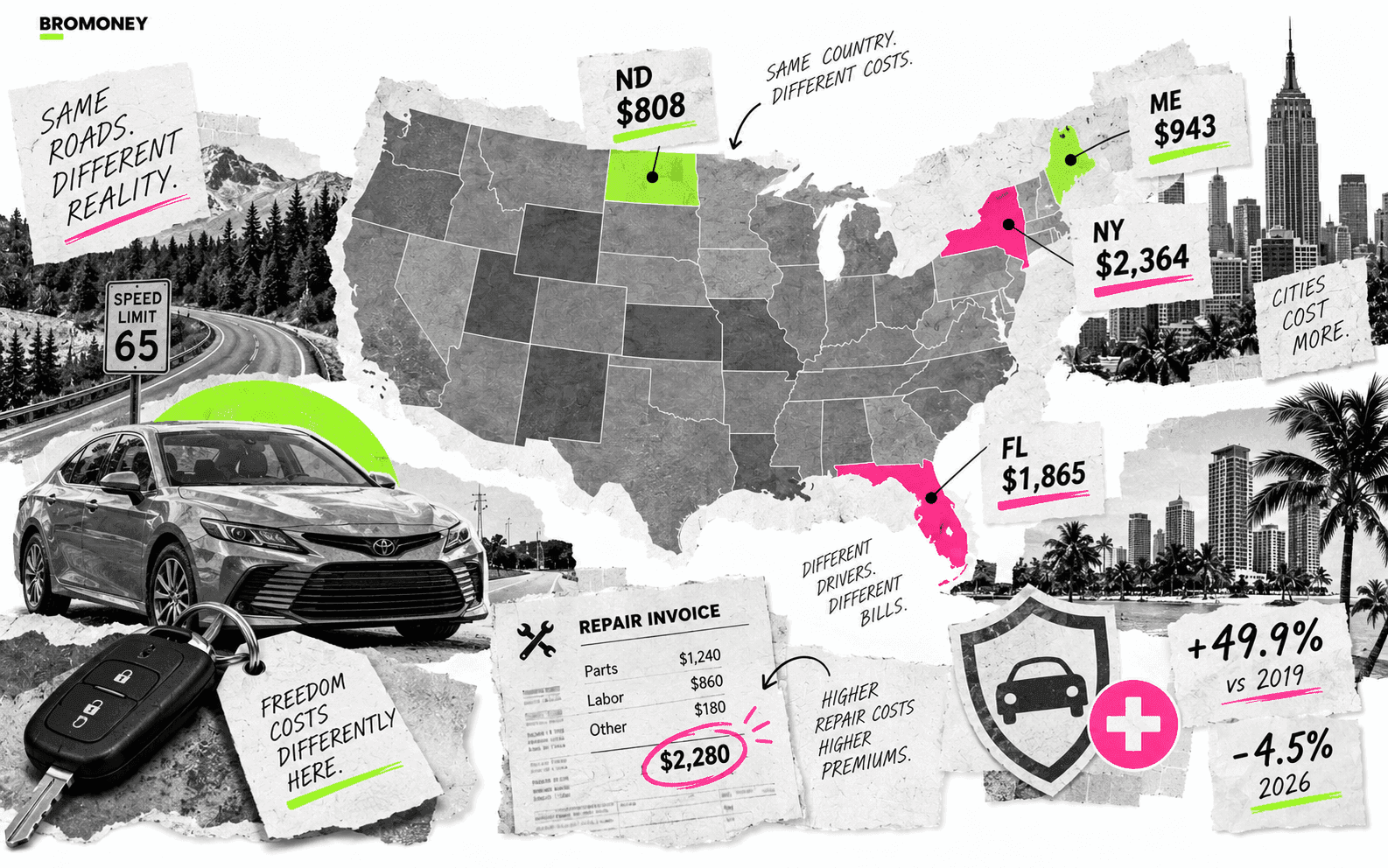
Why Car Insurance Went Up and What Actually Moves the Premium
Car insurance spending rose 12.3 percent in 2024, one of only two costs BLS called statistically significant. NAIC's 2023 state averages, why rates are falling even as the level sits 49.9 percent above 2019, what actually drives claims costs, and which levers on your policy are worth checking.
Stop Blaming the Latte: Impulse Buying Isn't the Whole Budget Story
BLS data shows apparel and entertainment spending barely moved in 2024, while car insurance, housing and groceries rose - some by double digits. Why the numbers behind the top impulse-buying articles don't hold up, and a review method that starts with the bills, not the coffee.