


How to Read Your Credit Report and Dispute Errors Without a Lawyer
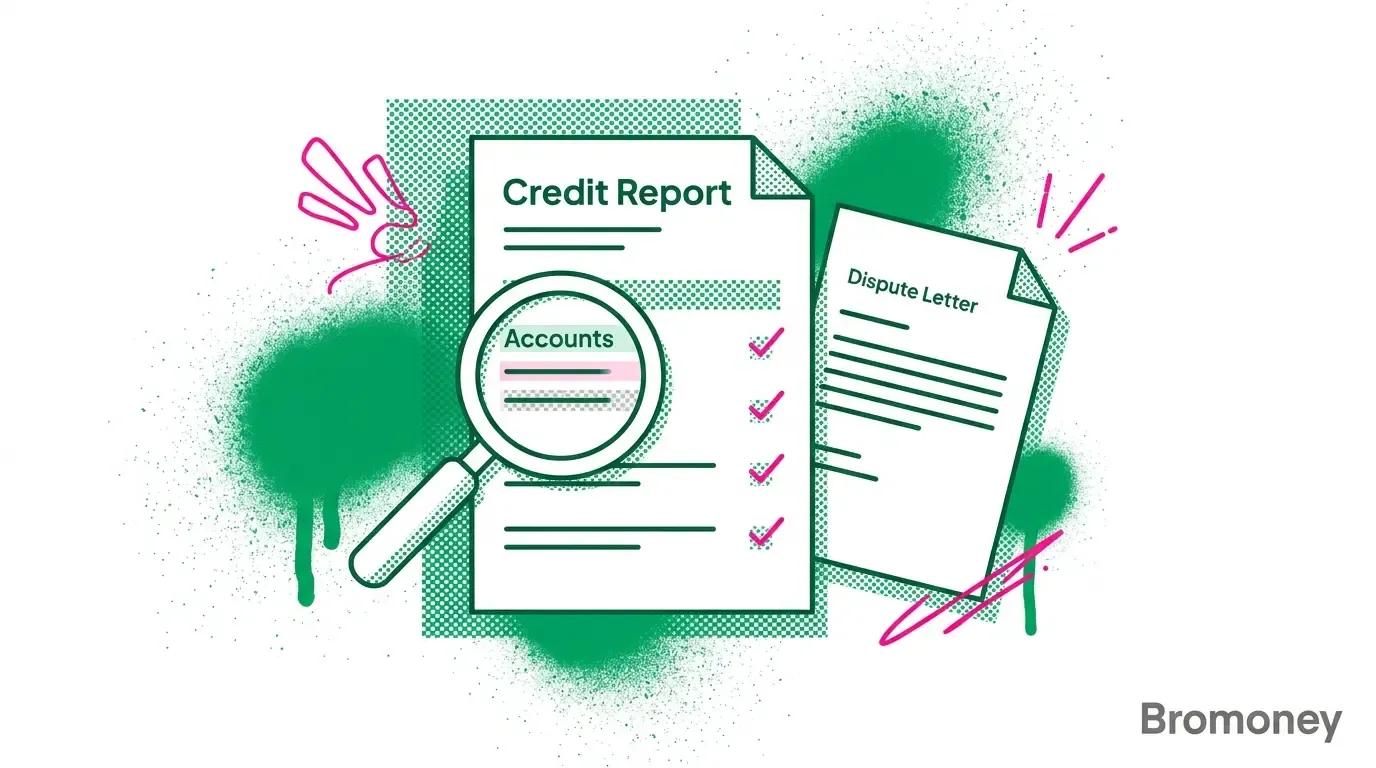
What Is a Credit Report? (And Why It Matters)
A credit report is the source file behind many lending decisions. It lists your credit accounts, balances, payment history, collections, public-record items, and companies that accessed your file. In the U.S., the main reports come from Equifax, Experian, and TransUnion.
The report matters because lenders price risk from the data inside it. A wrong late payment, duplicate collection, or inflated balance changes how a lender reads you.
Credit Report vs. Credit Score: What Is the Difference?
Your credit report is the raw data. Your credit score is a number calculated from that data. FICO explains that scores use report information such as account types, balances, payment history, collections, and bankruptcies in its consumer education guide.
| Credit Report | Credit Score |
|---|---|
| Account-by-account credit history | Numerical risk estimate |
| Built from bureau data | Calculated by a scoring model |
| Specific items can be disputed | The number itself is not usually disputed |
| Available free through AnnualCreditReport.com | Often separate from the free report |
Fix the report first, and the score follows the file.
How Your Credit Report Affects Your Financial Life
Credit reports affect credit cards, auto loans, mortgages, apartment screening, insurance in some states, and some employment checks. The damage starts when a lender treats bad data as real risk. The problem is measurable. A Federal Trade Commission study found that one in five consumers had a verified error in at least one major credit report. The same study found that five percent had errors serious enough to create less favorable loan or insurance terms.
The expensive errors usually look ordinary: a paid collection still marked unpaid, a card balance reported before a large payment posts, or a late payment attached to the wrong month.
How to Get Your Free Credit Report
AnnualCreditReport.com - The Only Official Free Source
Use AnnualCreditReport.com. It is the official source for free reports from Equifax, Experian, and TransUnion. The CFPB also notes that consumers may check reports weekly for free through that site. Do not use lookalike sites – some ask for a card, bundle monitoring, or push paid services before you see the report. A free credit report also does not have to include a free credit score.
How to Request Reports from All Three Bureaus
Request all three reports before a major loan application. The same account may appear correctly at one bureau and incorrectly at another.
The process is simple:
- Go to AnnualCreditReport.com.
- Enter your name, address, date of birth, and Social Security number.
- Complete identity verification.
- Select Equifax, Experian, TransUnion, or all three.
If online verification fails, request the report by mail or phone. This happens with thin files, recent moves, fraud alerts, or mismatched address history.
Equifax - How to Access Your Report
Start through AnnualCreditReport.com. Equifax data may differ from the other bureaus because furnishers do not always report to all three bureaus on the same schedule.
Experian - How to Access Your Report
Start through AnnualCreditReport.com. If Experian offers paid monitoring during the session, skip it unless you separately want that product.
TransUnion - How to Access Your Report
Start through AnnualCreditReport.com. Save the PDF immediately after access, because some sessions expire quickly.
How to Read Your Credit Report: A Section-by-Section Breakdown
Read the report like an audit, not a story. Open all three files, then compare the same account across bureaus.
Section 1 - Personal Information
What to Check (Name, Address, SSN, Date of Birth)
Personal information does not usually drive the score directly. It controls file matching.
Check your legal name, name variations, current and former addresses, date of birth, employer names, and the visible part of your Social Security number. A strange address or unfamiliar name variation points to a mixed file or identity theft.
Common Errors in This Section
Watch for:
- addresses where you never lived;
- employers you do not recognize;
- birthdate errors;
- name variations that belong to a relative;
- multiple Social Security number patterns.
A mixed file is serious. It means another person’s accounts may sit inside your report.
Section 2 - Account Information (Tradelines)
How to Read a Credit Account Entry
Tradelines drive most scoring changes. Each entry usually shows the creditor, partial account number, account type, open date, credit limit or original loan amount, current balance, payment status, and update date.
Check four items first: ownership, balance, limit, and status. A card reported with a lower limit raises utilization. A closed loan marked open creates false debt. If the error affects utilization, run the numbers with a credit utilization calculator before you apply for new credit.
Understanding Payment History and Status Codes
Payment history shows whether the account was paid as agreed or late. Many reports use plain-language labels; some show codes.
| Code or Label | Meaning |
|---|---|
| OK / Current | Paid as agreed |
| 30 | Late by 30 days |
| 60 | Late by 60 days |
| 90 | Late by 90 days |
| 120+ | Late by 120 days or more |
| CO | Charge-off |
| Collection | Sent to collections |
| BK | Included in bankruptcy |
The CFPB’s sample credit report handout shows where account fields appear and how to read them.
How to Identify Errors on Your Credit Report
Types of Credit Report Errors
Factual Errors (Wrong Name, Wrong Balance, Wrong Status)
Factual errors are wrong data points. Common examples include a balance that should be zero, a closed account marked open, a payment marked late even though it posted on time, or an account that belongs to another person. These errors are common enough that you should check every tradeline. For examples by category, read our breakdown of common credit report mistakes.
Legal Errors (Outdated Negative Items - the 7-Year Rule)
Legal errors happen when information stays too long or gets reported with the wrong timeline. Under 15 U.S.C. § 1681c, many negative items have time limits. Most negative information is generally limited to seven years, while certain bankruptcies may remain for ten years.
The key date is usually the date of first delinquency, not the date a collector bought the debt. If an old debt gets reported as newer, dispute the date. Our guide to the statute of limitations on negative items explains how those timelines work.
Credit Report Error Red Flags Checklist
Use this checklist on each bureau report:
- accounts you never opened;
- hard inquiries from unknown companies;
- wrong name, address, or birthdate;
- closed accounts shown as open;
- the same debt listed twice;
- late payments on months you paid on time;
- wrong balance or credit limit;
- bankruptcy or collection that is not yours;
- wrong open date or close date;
- primary-borrower status when you were only an authorized user;
- negative items older than the legal reporting period.
If the red flag points to fraud, follow a dedicated plan for identity theft in a credit report before you file routine disputes.
Your Legal Rights Under the FCRA (Fair Credit Reporting Act)
The Fair Credit Reporting Act controls how consumer reporting agencies collect, report, and correct credit data. It gives you the right to see your file, dispute inaccurate or incomplete information, and get investigation results.
Right to a Free Annual Credit Report
Federal law gives consumers access to free credit reports. AnnualCreditReport.com provides the official path, and the CFPB confirms weekly free access through its consumer reporting company guide.
You may also qualify for an extra free report after adverse action, a fraud alert, unemployment with job search, public assistance, or suspected identity theft.
Right to Dispute Inaccurate Information
Under 15 U.S.C. § 1681i, a bureau must conduct a reasonable reinvestigation of disputed information at no cost. The standard deadline is 30 days. The period may extend to 45 days in specific situations, including when you submit relevant additional information during the investigation. You may also dispute directly with the furnisher – the lender, collector, servicer, or company that supplied the data. The furnisher has its own duties under 15 U.S.C. § 1681s-2.
How to Dispute Credit Report Errors Yourself - Step-by-Step
Step 1 - Gather Your Evidence
Documents to Collect Before Filing a Dispute
Build the file before you contact the bureau. A dispute should identify the exact information you believe is wrong, explain why it is inaccurate, and include any documents that support your claim. Collect copies of:
- the report page with the error highlighted;
- bank statements or payment confirmations;
- paid-in-full letters;
- settlement agreements;
- account closure letters;
- court or bankruptcy documents;
- identity theft reports from IdentityTheft.gov, if fraud is involved.
Never send originals, save every PDF, upload receipt, tracking number, and response.
Step 2 - Decide Where to File Your Dispute
File with each bureau that shows the error. Equifax, Experian, and TransUnion operate separately. A correction at one bureau does not guarantee a correction at the other two. Also dispute with the furnisher when the mistake came from a lender, servicer, or collection agency. This creates pressure at the source of the data.
Step 3 - Choose Your Dispute Method
Online disputes are useful for simple issues: wrong balance, duplicate account, or closed account status. They are fast and easy to track. Certified mail works better for complex disputes. Use it for re-aging, identity theft, bankruptcy errors, or disputes with several documents. Keep the certified-mail receipt and delivery confirmation.
Step 4 - Write Your Credit Dispute Letter
A good dispute letter is specific. Do not write, “This is wrong.” Write what is wrong, why it is wrong, what proof you attached, and what correction you want. The FTC provides guidance for disputing credit report errors on its consumer credit report page. Include:
- full name and mailing address;
- date of birth and last four digits of your Social Security number;
- bureau name;
- furnisher name;
- partial account number;
- exact disputed item;
- requested correction or deletion;
- list of attached documents;
- request for written results.
What to Do If Your Credit Dispute Is Denied
Request the Investigation Results in Writing
A denial is not final. Ask for the investigation results and read the bureau’s explanation. Under 15 U.S.C. § 1681i, the bureau must provide notice after completing the reinvestigation. If the response only says “verified,” compare that to your evidence and prepare a stronger follow-up. You may also add a consumer statement to your file. Use it for context, not as a substitute for a dispute.
Escalate to the CFPB (Consumer Financial Protection Bureau)
If the bureau or furnisher keeps reporting a clear error, file a complaint through the CFPB complaint portal. Attach your dispute letters, proof, tracking records, and investigation results. Consider an FCRA attorney if the error caused measurable harm, such as a denied mortgage, higher APR, lost housing opportunity, or continued reporting after documented disputes.
DIY vs. Credit Repair Companies - Do You Really Need to Pay?
What Credit Repair Companies Actually Do (And Why You Can Do It Yourself)
Credit repair companies dispute items for you. That is usually the same process you can use yourself: review reports, identify errors, gather proof, send disputes, and track responses. They do not have special authority to remove accurate information. The FTC warns that no company can legally remove accurate negative information before it expires.
If the negative item is accurate but tied to a one-time hardship, a dispute is the wrong tool. A goodwill request may fit better. See our guide to goodwill removal of negative items.
Warning Signs of a Credit Repair Scam
Walk away if a company:
- demands payment before doing work;
- guarantees deletion of accurate negative items;
- tells you to dispute everything, even true accounts;
- suggests a “new credit identity” or CPN;
- tells you not to contact the bureaus.
You do not need a paid middleman for a documented factual dispute.
How Long Does It Take to Fix Credit Report Errors?
Realistic Timeline for the Full Dispute Process
The legal investigation window is usually 30 days under 15 U.S.C. § 1681i. It may extend to 45 days when the law allows more time, including when you submit relevant new information during the investigation. A practical timeline looks like this: file the dispute, wait for the bureau’s investigation, review the written result, then confirm the correction on a fresh report.
How Long Before Your Credit Score Improves After an Error Is Removed?
Score changes depend on the next bureau update and the scoring model used by the lender. If a serious negative error disappears, the score may update after the corrected data reaches the scoring system. Do not assume the fix is complete because one dashboard changed. Pull a new report and confirm the exact tradeline, balance, date, and status.
Frequently Asked Questions
Can disputing errors hurt my credit score?
No. Filing a dispute does not hurt your score. Checking your own report is a soft inquiry, and FICO states that checking your own credit information does not lower a FICO Score in its credit inquiry guidance. Your score changes only if the underlying report data changes.
How many disputes can I file at once?
The FCRA does not set a simple cap on simultaneous disputes. You can dispute every inaccurate item. The risk is quality, not quantity. Do not send vague mass disputes. Separate each account, attach proof, and state the correction requested.
What if the same error appears on all three reports?
File with all three bureaus. Each bureau controls its own file. Use the same evidence package, but submit it separately to Equifax, Experian, and TransUnion. Also dispute with the furnisher. If the lender or collector corrects its reporting, the fix may flow to all bureaus that received the bad data. For identity theft, file the FTC report first, then attach it to each bureau dispute.

Denis Goncharenko
Head of Content
Editorial Policy: no secondary statistics. Every claim is linked to an official source and dated — datasets and methods are open for review.

Was this article helpful?
Same blogs
Inheritance Rights: What Happens After a Borrower's Death
A practical U.S. guide to what happens to loans, mortgages, credit cards, insurance, and estate debts after a borrower dies.
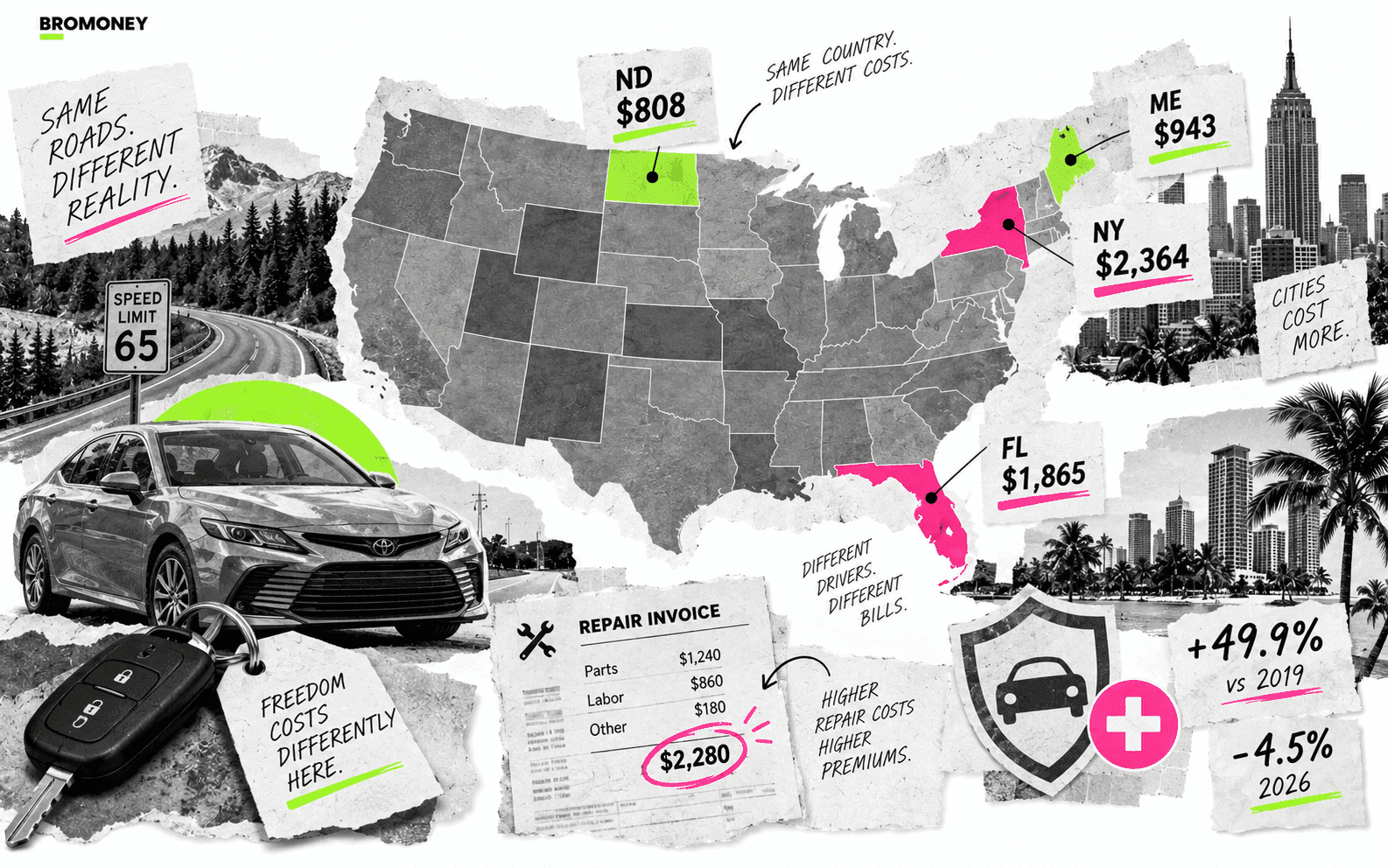
Why Car Insurance Went Up and What Actually Moves the Premium
Car insurance spending rose 12.3 percent in 2024, one of only two costs BLS called statistically significant. NAIC's 2023 state averages, why rates are falling even as the level sits 49.9 percent above 2019, what actually drives claims costs, and which levers on your policy are worth checking.
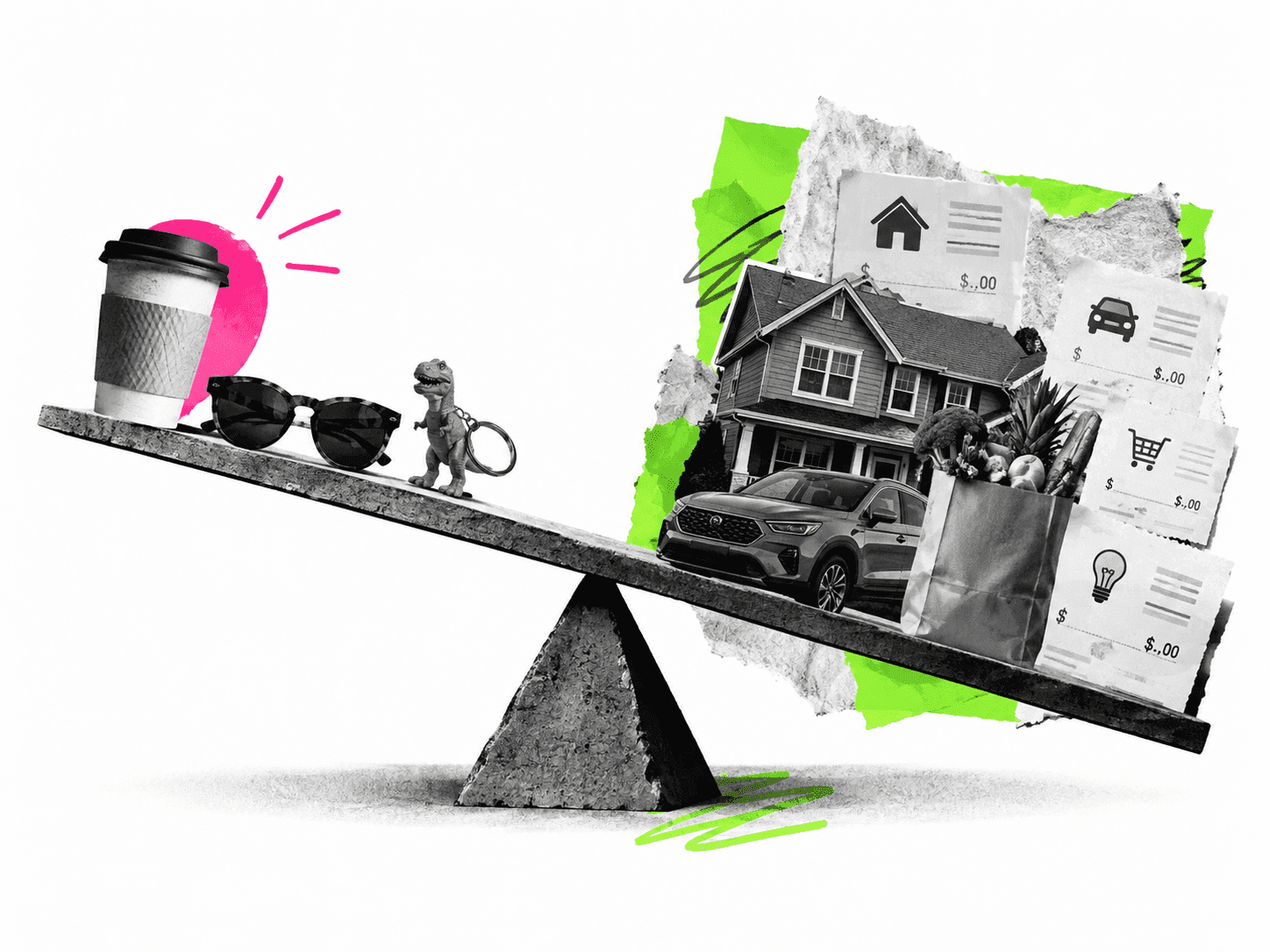
Stop Blaming the Latte: Impulse Buying Isn't the Whole Budget Story
BLS data shows apparel and entertainment spending barely moved in 2024, while car insurance, housing and groceries rose - some by double digits. Why the numbers behind the top impulse-buying articles don't hold up, and a review method that starts with the bills, not the coffee.