
Direct Consolidation Loan: Pros and Cons Explained

A Direct Consolidation Loan can simplify federal student debt, but it is not a rate cut. It replaces one or more federal education loans with a new Direct Loan, one servicer, one bill, and one fixed interest rate. The trade-off: the old loans are paid off and cannot be separated again.
Use consolidation when it unlocks a federal benefit you need. Be cautious if you already have PSLF progress, Perkins cancellation rights, or a grace period you plan to use.
What Is a Direct Consolidation Loan?
A Direct Consolidation Loan is a federal loan under the William D. Ford Federal Direct Loan Program. According to Federal Student Aid’s consolidation guide, it pays off eligible federal education loans and replaces them with one new loan.
How Does It Work?
The new loan gets a fixed interest rate. Federal Student Aid calculates it as the weighted average of the loans you consolidate, then rounds up to the nearest 0.125%.
Formula: Σ(Loan Balance × Rate) ÷ Total Balance, then rounded up.
Example: Loan A is $10,000 at 6.0%. Loan B is $15,000 at 6.5%.
($10,000 × 6.0% + $15,000 × 6.5%) ÷ $25,000 = 6.3% → rounded up to 6.375%.
The key point: consolidation does not negotiate a lower rate. It averages the existing federal rates and rounds upward.
Which Federal Loans Are Eligible for Consolidation?
Most federal student loans qualify. That includes Direct Subsidized Loans, Direct Unsubsidized Loans, Direct PLUS Loans, FFEL Stafford Loans, FFEL PLUS Loans, Federal Perkins Loans, and older federal loan types.
The main restrictions matter more than the list:
- Private student loans cannot be included.
- An existing consolidation loan usually needs at least one additional eligible loan to be consolidated again.
- Perkins Loans can lose separate cancellation benefits.
- Loans under wage garnishment or court judgment need special handling before consolidation.
The CFPB explains the same dividing line: federal consolidation keeps the debt inside the federal system, while private refinancing replaces federal protections with a private loan.
Pros of Consolidating Federal Student Loans via Direct Consolidation
One Simple Monthly Payment
Consolidation turns multiple federal loan bills into one monthly payment. In practice, this helps borrowers who track different servicers, due dates, and online portals. Fewer moving parts means fewer chances to miss a payment.
Unlocks Access to Income-Driven Repayment (IDR) Plans
Some older federal loans, especially FFEL and Perkins loans, do not qualify for every federal repayment plan in their original form. Consolidation can convert them into a Direct Loan structure, which may open access to income-driven repayment.
Federal repayment rules are changing in 2026. Before you consolidate for IDR access, check the current plan list on Federal Student Aid’s income-driven repayment page. The plan available to you depends on loan type, borrower type, and when the loan was made.
Makes FFEL and Perkins Loans PSLF-Eligible
Public Service Loan Forgiveness requires Direct Loans. FFEL and Perkins loans are not Direct Loans by themselves, so consolidation is the route that can make them eligible for PSLF.
The PSLF rule is strict: you need qualifying employment, a qualifying repayment plan, and qualifying payments. The program requires 120 qualifying monthly payments before forgiveness.
Here is the practical warning. Consolidation after the temporary account-adjustment period does not simply preserve every old payment. For Direct Loans, the new count can use a weighted formula. For FFEL and Perkins loans, pre-consolidation payments generally do not carry into PSLF the same way.
Potentially Lower Monthly Payment via Extended Repayment
A longer term can lower the required monthly payment. That helps cash flow, especially when the current bill is the problem.
But lower payment does not mean lower cost. A longer schedule gives interest more time to accrue. Before choosing a longer term, compare the full repayment cost in Bromoney’s debt payoff calculator, not just the first monthly bill.
No Application or Origination Fee
Federal Direct Consolidation has no application fee and no origination fee. That matters because any company asking you to pay for access to federal consolidation is selling something you can do through StudentAid.gov.
Fixed Interest Rate for the Life of the Loan
The consolidated loan has one fixed rate. If your older federal loans include variable-rate loans, consolidation can make future budgeting easier.
| Benefit | What It Means in Practice |
|---|---|
| One monthly payment | Replaces several federal bills with one account |
| Fixed interest rate | Locks one rate for the life of the loan |
| Lower monthly payment | A longer term can reduce the required payment |
| Access to IDR options | Certain older loans may gain access after consolidation |
| PSLF eligibility | FFEL and Perkins loans need Direct Loan status for PSLF |
| Simpler management | One servicer, one portal, one repayment schedule |
Cons of Consolidating Federal Student Loans via Direct Consolidation
Weighted Average Interest Rate May Increase Your Total Cost
The rate rounds up, never down. If the weighted average is 6.67%, the consolidated rate becomes 6.75%. That is not a dramatic jump, but it works against you over a long term.
Federal consolidation is a management tool. It is not a discount tool. For current federal rate context, compare your existing rates with the Federal Student Aid interest rate tables.
PSLF Payment Progress Gets Reset - Critical Warning
This is the biggest mistake I see in real borrower reviews: someone consolidates for convenience and accidentally damages forgiveness progress.
For Direct Loans, post-2024 consolidation can use a weighted payment-count formula. If one Direct Loan has substantial PSLF credit and another has little or none, the new loan may receive less credit than the stronger loan had alone.
That is why you should check payment counts before applying. If PSLF is your strategy, confirm qualifying employment first and save your records.
You May Lose Borrower Benefits on Original Loans
Consolidation pays off the old loans. Any benefits attached to those loans may disappear.
Common losses include Perkins cancellation rights, borrower-specific FFEL discounts, principal rebates, and legacy servicer benefits. If a Perkins Loan qualifies for a profession-based cancellation program, do not include it without comparing that benefit against the value of consolidation.
Longer Repayment Term Means More Interest Paid Overall
A longer term can solve a monthly cash-flow problem and create a lifetime-cost problem. This is the trade-off borrowers underestimate.
If the payment is unaffordable, a longer term may still be reasonable. Just treat it as a cost-control decision, not a savings decision.
Consolidating During Grace Period Ends It Early
If you consolidate during a post-school grace period, repayment on the new consolidation loan can begin sooner. That matters if you need time to start work, build an emergency fund, or stabilize income.
Private Student Loans Cannot Be Included
A Direct Consolidation Loan only covers federal education loans. Private loans from banks, credit unions, and online lenders stay outside the federal program.
If you are comparing federal consolidation with private borrowing options, separate the decisions. Federal protections are valuable. A private loan may fit other needs, but it does not replace PSLF, IDR, federal deferment, or federal forbearance. If you are modeling affordability, use a debt-to-income view with Bromoney’s DTI max loan calculator.
When Does Direct Consolidation Loan Make Sense?
Situations Where Consolidation Is Beneficial
Consolidation makes sense when it unlocks a specific federal outcome.
The strongest cases are FFEL or Perkins borrowers who need Direct Loan status for PSLF, borrowers in federal default who need a faster path back to good standing, and borrowers who need one federal payment instead of several.
Federal default deserves special attention. Federal Student Aid explains that default can occur after 270 days of missed payments for many federal student loans. Consolidation can help resolve default faster than rehabilitation, but it does not erase the past credit history.
Situations Where You Should NOT Consolidate
Avoid consolidation when the downside is larger than the benefit. That includes borrowers with valuable Perkins cancellation rights, borrowers near payoff, and borrowers with Direct Loans that already qualify for the needed repayment plan.
Also be careful if you have strong PSLF progress on one loan and weak progress on another. A weighted count can reduce the benefit of your strongest loan.
In my view, the clean rule is this: consolidate for access, not for aesthetics. One pretty loan dashboard is not worth losing a federal benefit.
How to Apply for a Direct Consolidation Loan
Step-by-Step Application Process
Apply through StudentAid.gov, not through a paid third party.
- Log in with your FSA ID.
- Choose the loans you want to include.
- Leave out loans with benefits you want to preserve.
- Review your PSLF and IDR counts before submitting.
- Choose a repayment plan available for your loan type.
- Sign the Promissory Note.
- Keep paying old loans until the servicer confirms completion.
- Check the new balance, interest rate, plan, and payment count.
Required Documents and Processing Time
Most federal loan data loads automatically. If a loan is missing, you need the servicer name, address, account number, and loan type.
PSLF employment verification is separate from the consolidation application. For PSLF, you need employer information, including the employer identification number.
Processing commonly takes 30 to 60 days. Repayment on the new loan generally begins within 60 days after issuance. If you are in a grace period and want to delay processing, indicate that in the application.
Frequently Asked Questions About Direct Consolidation Loan
Does consolidating federal loans reset my PSLF payment count?
Not always. Direct Loan payment counts can carry over through a weighted formula. FFEL and Perkins payment history is more limited after consolidation. Check your PSLF record before applying.
Will my interest rate go up after consolidating?
It can rise slightly because the weighted average rate rounds up to the nearest 0.125%. It will not go down through federal consolidation.
Can I consolidate while still in my grace period?
Yes, but doing so can end the grace period early. If you need that time, do not rush the application.
How long does the Direct Consolidation Loan process take?
Plan for 30 to 60 days. Keep paying your current loans until the new servicer confirms the consolidation is complete.
Can I include private student loans in a Direct Consolidation?
No. Direct Consolidation is only for eligible federal education loans. Private student loans require separate private refinancing, and that can remove federal protections.

Denis Goncharenko
Head of Content
Editorial Policy: no secondary statistics. Every claim is linked to an official source and dated — datasets and methods are open for review.

Was this article helpful?
Same blogs
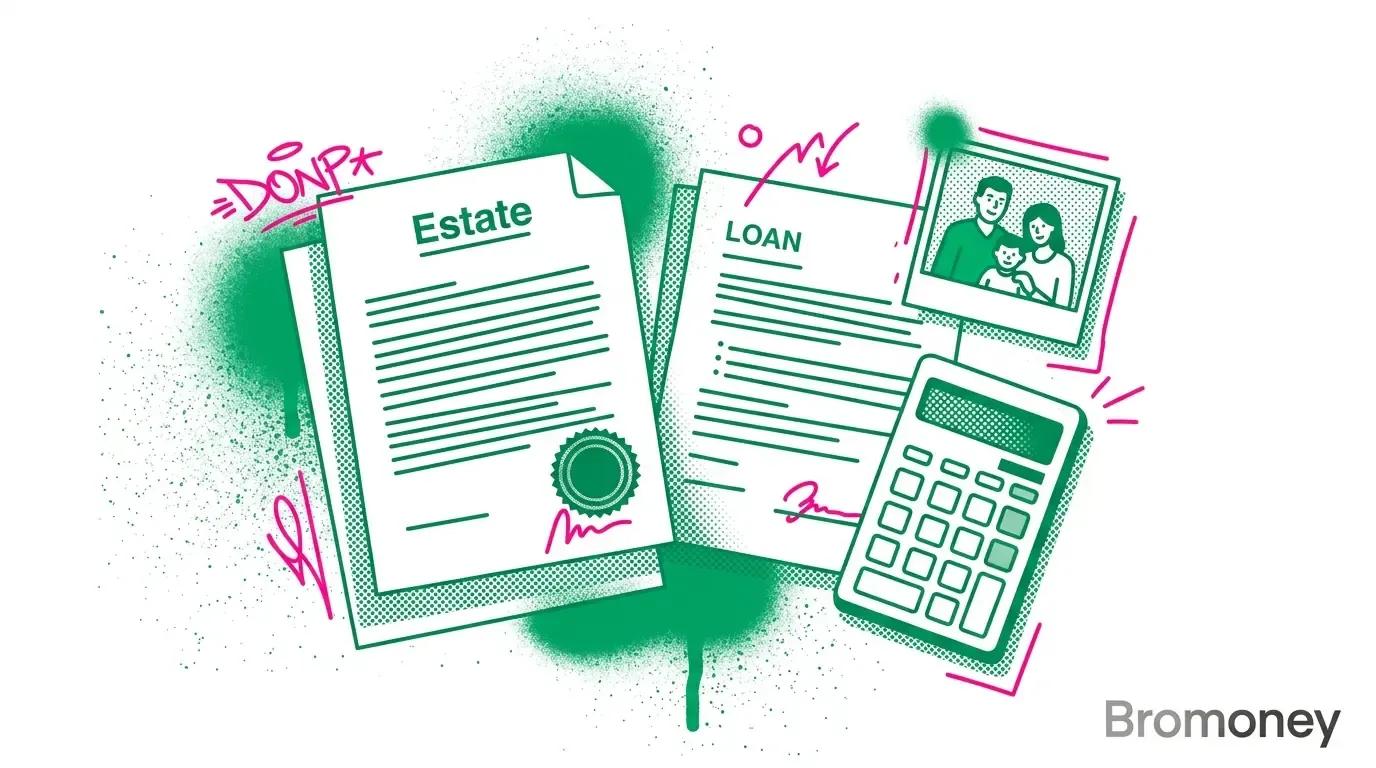
Inheritance Rights: What Happens After a Borrower's Death
A practical U.S. guide to what happens to loans, mortgages, credit cards, insurance, and estate debts after a borrower dies.
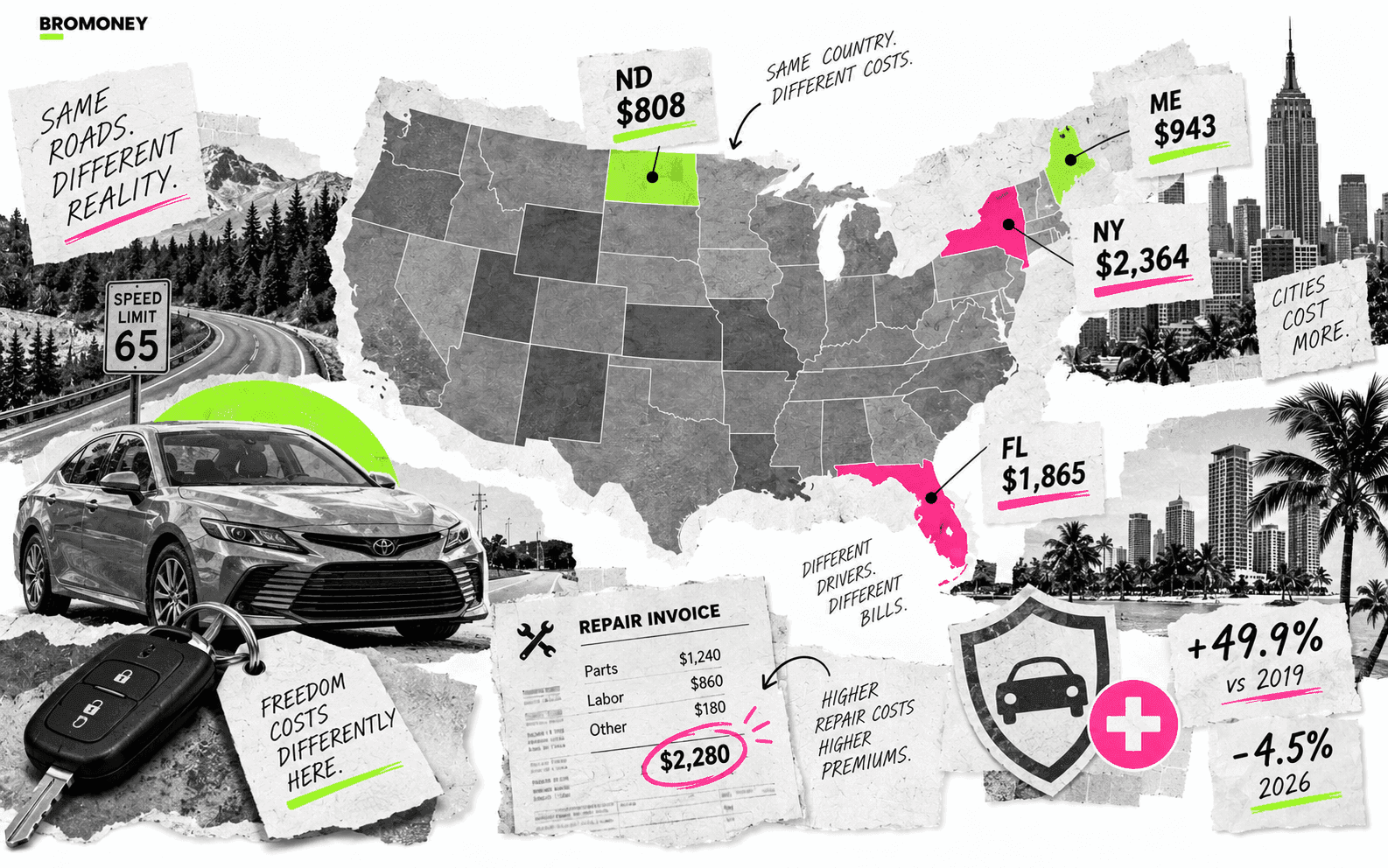
Why Car Insurance Went Up and What Actually Moves the Premium
Car insurance spending rose 12.3 percent in 2024, one of only two costs BLS called statistically significant. NAIC's 2023 state averages, why rates are falling even as the level sits 49.9 percent above 2019, what actually drives claims costs, and which levers on your policy are worth checking.
Stop Blaming the Latte: Impulse Buying Isn't the Whole Budget Story
BLS data shows apparel and entertainment spending barely moved in 2024, while car insurance, housing and groceries rose - some by double digits. Why the numbers behind the top impulse-buying articles don't hold up, and a review method that starts with the bills, not the coffee.