
What a Community Action Agency Does and How to Find Yours
What a Community Action Agency Does - and How to Find Yours
Most people meet the phrase in someone else's sentence. A utility company tells you to call your community action agency about the shut-off notice. A caseworker says the same about a heating bill. Then you search the term, and the results are a thousand different local homepages, each explaining its own hours and none explaining the institution.
Here is the short version. It is a local body - usually a private nonprofit, sometimes part of local government - that delivers federally funded anti-poverty programs in a defined service area, most often one or several counties. There are over 1,000 of them, they cover 99 percent of US counties, and what they run includes both the program that pays part of an energy bill and the one that fixes the house so the bill falls.
This page covers what these offices do, who qualifies, how they differ from 211 and from your state office, and the official routes for finding the one that serves your county. It sits alongside the research hub for this spending series, which covers where household money actually goes.
The short answers
- What it is. A local body that delivers federally funded anti-poverty help - energy bills, weatherization, early childhood, rent and food - in a service area a state assigned to it.
- Find yours in one step. Find Your CAA, the finder the federal program office points to. For energy alone, EnergyHelp.us or the NEAR hotline on 1-866-674-6327. The full set of official routes is in the finder section further down.
- Who qualifies. Income tests are federal in shape, local in number: your state sets the figure, and for several programs a benefit you already receive qualifies you on its own.
- One scam to know. The federal grant behind these offices makes no grants to individuals and charges no fee for one. A message offering you a CSBG grant for an upfront payment is fraud.
What a community action agency is
It is the local delivery point for the Community Services Block Grant (CSBG) - a federal grant administered by the Office of Community Services inside the Administration for Children and Families, part of the U.S. Department of Health and Human Services.
The money moves in a chain. Congress funds the grant; the federal office passes it to states, territories and tribes; each state passes it to the local bodies it has designated to serve particular counties. Yours was designated for your address by your state, which is why you cannot pick a different one.
Scale, from the federal program office: over 1,000 local agencies deliver CSBG-funded services, and over 9 million individuals a year are served by CSBG-funded programs (ACF Office of Community Services). The national association that supports the network puts the geography plainly - those offices operate in 99 percent of the nation's counties (NASCSP).
That coverage is the useful fact. Whatever county you are reading this in, an office has almost certainly been designated for it. The question is which one, and that is answerable - see the finder routes below.
Where the money comes from
CSBG is a block grant, which matters more than it sounds. A block grant sets the purpose and leaves the design to the state and the local body, so two counties a state line apart can run different mixes of programs under the same federal heading.
The federal office lists what CSBG-funded services cover: housing, nutrition, utility and transportation assistance; employment, education and other income and asset building services; crisis and emergency services; and community asset building initiatives.
The grant is also the newer name for something older. Most of the network was created through the Economic Opportunity Act, the CSBG's predecessor, which is why the older term community action program still appears on state websites, on signage and in the names of the bodies themselves. If your county's office is called a community action program, a community action partnership or a community action council, it is the same kind of organization.
Why the board has to include the people it serves
The governance is what separates these organizations from a generic charity, and it is set in federal law rather than left to local preference.
To be an eligible entity, a private, not-for-profit body must run the program through a tripartite board. Under 42 U.S.C. Section 9910, one third of the seats go to elected public officials or their representatives; not fewer than one third go to people chosen through democratic selection procedures to represent low-income individuals and families, and each such member must live in the neighborhood they represent; the remainder come from business, industry, labor, religious, law enforcement, education or other major groups in the area served.
So a third of the people setting local priorities are neighbors of the people who walk through the door. The same section requires that board to fully participate in the development, planning, implementation and evaluation of the program - the seats are not decorative. Whether meetings are open to the public and minutes posted is a separate matter, set by state law or the office's own bylaws rather than by Section 9910, so ask locally if you want to see which local initiatives yours is funding this year.
What a community action agency actually runs
Every office runs a different mix. The federal grant funds the core, and other federal, state and local grants are layered on top, so the list at your county's office may be longer or shorter than this one. Common examples include the three below.
The rest of the federal list is where local variation is widest: rent and deposit help, food programs, transport support, employment and education services, and crisis help. Some offices provide services through partner charities rather than in-house. This is the part no national page can settle for you - what yours runs depends on which grants it holds this year, and the honest answer is to ask it directly.
| Program | Who funds it | Where you start |
|---|---|---|
| LIHEAP - help with home energy bills | HHS, Office of Community Services | EnergyHelp.us or the NEAR hotline, 1-866-674-6327 |
| Weatherization - efficiency work on the home | U.S. Department of Energy | your state weatherization administrator |
| Head Start and Early Head Start - early childhood | HHS, Office of Head Start | your local office, or the Head Start locator |
| Rent, food, transport, employment services | CSBG, plus state and local grants | your local office directly |
Help with energy bills (LIHEAP)
The Low Income Home Energy Assistance Program covers home energy bills, energy crises, weatherization and minor energy-related home repairs (ACF). Requests run through the office designated for your area rather than through the federal program office.
Two official starting points, both published by the federal program office: EnergyHelp.us, and the National Energy Assistance Referral hotline on 1-866-674-6327, open weekdays, 9:00 to 19:00 Eastern. Either will route you to the office that takes requests in your area.
Work on the home itself (weatherization)
The Weatherization Assistance Program is a Department of Energy program delivered locally, often by the same office. Instead of paying part of a bill once, crews work on the building: insulation, air sealing, heating system repairs.
The department's own reporting puts the average saving at $372 or more a year per household, with roughly 32,000 homes treated annually on DOE funds and 7.2 million families served since 1976 (DOE).
Two details from the department's own process notes are worth knowing before you call. Renters qualify as well as owners, with the landlord's permission needed before work starts. And being found income-eligible puts your name on a waitlist rather than into a schedule - priority goes to older people, households with a member who has a disability, families with children, high energy users and households carrying a high energy burden (DOE).
Early childhood (Head Start)
Head Start and Early Head Start run through about 1,600 grant recipients nationally, with services in every state and territory and more than 150 tribal communities; the program was appropriated $12.27 billion in fiscal 2024 (Office of Head Start).
Many local offices hold a Head Start grant, which is why childcare and utility help often sit in the same building. Not all of them do, and not every Head Start grantee belongs to this network - check locally rather than assuming.
Who qualifies - and why the income limit is different in your state
Eligibility is federal in shape and local in number. Each program sets a test in statute; each state then sets the figure inside the room the statute allows. That is why a neighbor one state away can be told a different limit for the same program.
- CSBG-funded services. The statute lets a state set the line at up to 125 percent of the official poverty line (42 U.S.C. Section 9902(2)) - and that is no longer the whole rule. The CARES Act authorized states to raise the threshold to 200 percent of the federal poverty level in FY20, and the federal program office told states in its FY26 plan briefing that this ceiling "remains in effect and is an option for states until modified by Congressional action", asking them to write 125 percent into their plans unless they are authorized to use the 200 percent limit (ACF Office of Community Services, FY26 CSBG State Plan overview). The figure that applies to you is whichever one your state wrote into its current plan.
- LIHEAP. A household qualifies either categorically - someone in it receives TANF, SSI, SNAP, or certain veterans' pension payments - or on income, which must not exceed the greater of 150 percent of the state poverty level or 60 percent of state median income. A state may not exclude a household on income grounds alone if its income sits below 110 percent of the state poverty level (42 U.S.C. Section 8624(b)(2)).
- Weatherization. Under DOE rules, households at or below 200 percent of the poverty guidelines, or receiving Supplemental Security Income, are income-eligible (DOE).
Notice what those rules have in common: they are ceilings, not promises. Meeting the income test makes you eligible for consideration under that program in your state; it does not reserve money, and several of these programs run on annual funding that can be committed before the year ends.
This page cannot tell you your own number, and any page that claims to without asking your state and household size is guessing. Your state publishes the figure - the finder routes below lead to it.
A community action agency, 211 and your state agency are not the same thing
Three different things get called "where you go for help", and sending your paperwork to the wrong one costs weeks.
| What it is | What it does | When to use it | |
|---|---|---|---|
| 211 | An information and referral service, staffed 24/7 | Tells you which local body handles your situation, and routes you there | You do not know what exists or who runs it in your area |
| State office | The body holding the federal block grant | Sets the state rules, designates which local body covers your county | You need the state's income figures, or your county's designated office |
| Community action agency | The designated local delivery body | Takes the paperwork, determines eligibility, and provides or arranges the service or benefit | You know what you need and want it processed |
211 is worth using and worth understanding. Its main job is information and referral rather than funding: it tells you who runs what near you and routes you there, and the decision on your case is taken by the office it routes you to. That is not an absolute - the network reports $9 million or more in direct financial assistance to individuals and families in 2023, and some local 211s provide direct aid or help people through enrollment. Availability varies by area, so ask what your local 211 does rather than assuming either way. Its reach is real: the network covers 99 percent of the US population and, in 2023, handled more than 15.3 million calls, texts, web chats, emails and in-person requests and made more than 19 million referrals (211.org).
The category split in its 2023 tally is the useful part here: housing help accounted for 5.3 million referrals, utilities assistance for 2.8 million and food for 2.4 million. Those are the same needs the designated local offices administer, which is why so many 211 calls end with the name of one.
How to find the community action agency serving your county
Four official routes, all of them linked from the federal program page itself. None of them charges anything.
- Find Your CAA - the finder the federal program office points to: communityactionpartnership.com/find-a-cap. Enter your location and it returns the designated local office.
- Your state's CSBG office - the ACF map of state and territory grant recipient contacts. Use this when you want the state's own income figures or a definitive answer on which body covers your county.
- Your state or regional community action association - the ACF contact list. Most states have an association that publishes a county-by-county directory; a state community action association can also say which office took over after a designation changed.
- Tribal grant recipients - CSBG funds go to tribes directly as well; the ACF list of tribal grant recipients covers those.
For energy specifically, skip straight to EnergyHelp.us or the NEAR hotline on 1-866-674-6327. For weatherization, start with your state weatherization administrator on the DOE apply page. If your county comes back empty in every directory - which happens when a designation has recently changed - dial 211 and ask who currently holds the community action program for your address.
One practical note before you call. Ask what documents the office needs before you go: identity, address, household income and a recent bill are common, but the list is set locally and a wasted trip is the usual cost of guessing.
What a community action agency will never ask you for
The programs publish this warning themselves, in almost identical words on both program pages:
"The Community Services Block Grant (CSBG) does not provide direct grants to individuals; CSBG does not charge a fee for receiving a grant. If you receive a message offering you a CSBG grant or requesting a fee, please contact the U.S. Department of Health and Human Services (HHS) Fraud Hotline at 1-800-447-8477."
Read it as two separate facts. First, these federal programs do not hand grants to individuals who ask for one - help flows through the office designated for your area, under the rules its state set. Second, no fee is charged for receiving a CSBG grant, so a message offering you one in exchange for an upfront payment is fraud. Read the notice for what it is: a statement about the federal grant, not a blanket promise about every service in the building or about state and utility programs, which set their own rules. A message offering a government grant for an upfront payment is a scam, and the number above is where it goes.
Questions people ask
Is it a government body or a charity?
Mostly private nonprofits, and about a fifth are government. The federal program office puts the split at "approximately 80% of these agencies are 501(c)3 non-profits, and 20% are public entities, part of a city or county government" (ACF CSBG brochure). Both types are bound by the same federal rules, including the board composition in 42 U.S.C. Section 9910, and either way the office is designated by the state rather than self-appointed.
Is a community action program the same thing as a community action agency?
In everyday use, yes. The community action program is what the Economic Opportunity Act created; the agency is the local body that runs it. Many still carry "program", "partnership", "council" or "association" in their names, and your state community action association can confirm which is which.
Does a community action agency give out cash?
That depends on the program and on your state. Paying the energy supplier directly is an option the state chooses under LIHEAP (42 U.S.C. Section 8624(b)(7)), and the same law covers help "provided directly to, or indirectly for the benefit of" a household (Section 8624(f)(1)) - so both forms exist. Weatherization is work on the house rather than money, and Head Start is a place rather than a payment. Ask your office which form its help takes.
What if my county has no office listed?
Check the state association directory first, then call 211. Service areas cover multiple counties in rural states, so the office that serves you may sit an hour away and still be the right one.
Does asking for help affect my credit or my other benefits?
Asking about help is not a credit event: these are grant-funded programs, not lending, and getting information involves no check on your credit file. On energy help there is a statutory answer - LIHEAP payments or allowances, whether paid to the household or on its behalf, "shall not be considered income or resources" for any purpose under federal or state law (42 U.S.C. Section 8624(f)(1)). Not every program is written that way, so ask the local office before you file anything.

Denis Goncharenko
Head of Content
Editorial Policy: no secondary statistics. Every claim is linked to an official source and dated — datasets and methods are open for review.
Was this article helpful?
Same blogs
What Average Household Expenses Show About Price Pressure - and What They Can't
The average US consumer unit spent $78,535 in 2024 - about $6,545 a month. This page sets that spending record against the price indexes for the same two years, category by category, using our own CE-CPI crosswalk, and states plainly what the figures cannot show.
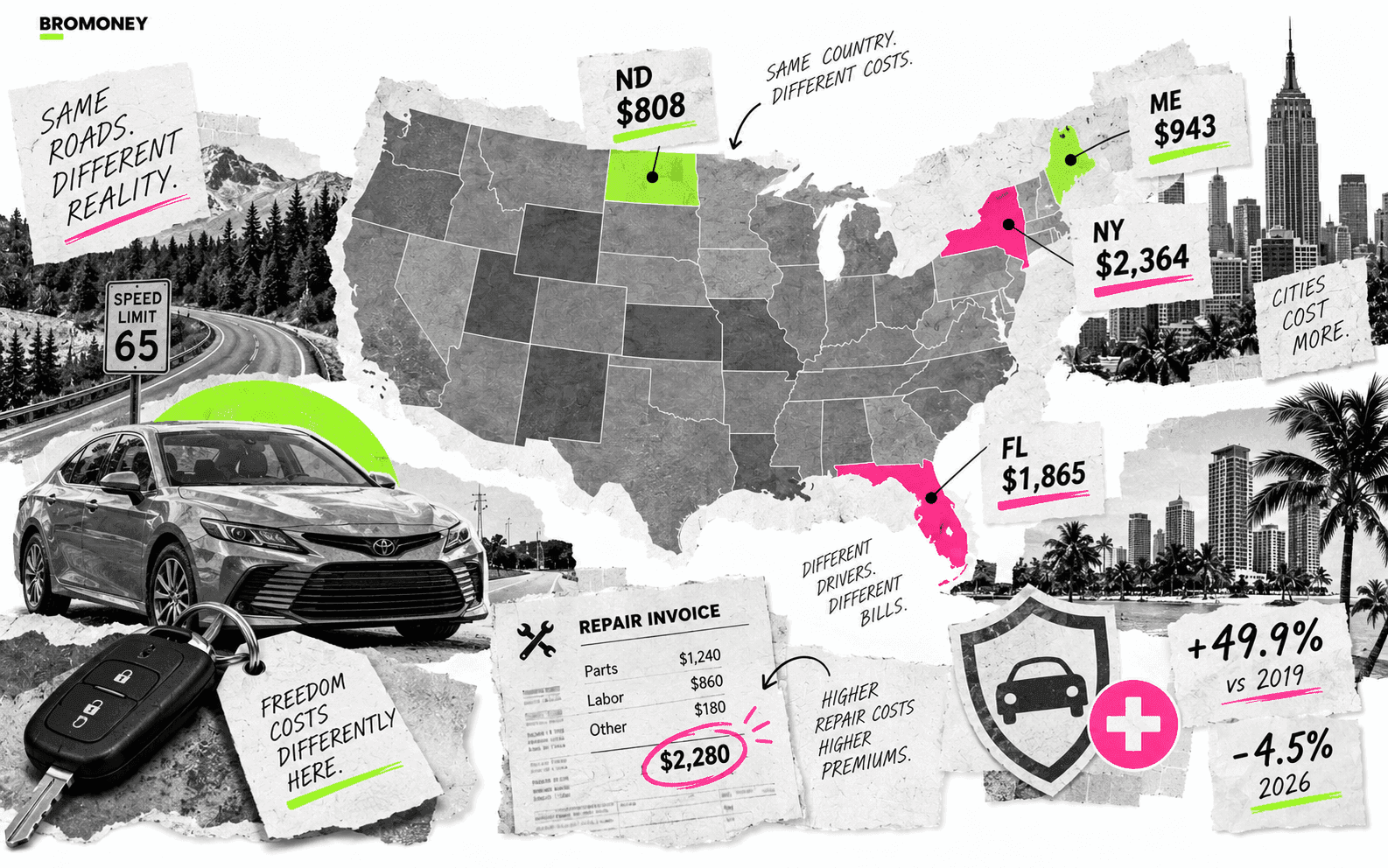
Why Car Insurance Went Up and What Actually Moves the Premium
Car insurance spending rose 12.3 percent in 2024, one of only two costs BLS called statistically significant. NAIC's 2023 state averages, why rates are falling even as the level sits 49.9 percent above 2019, what actually drives claims costs, and which levers on your policy are worth checking.
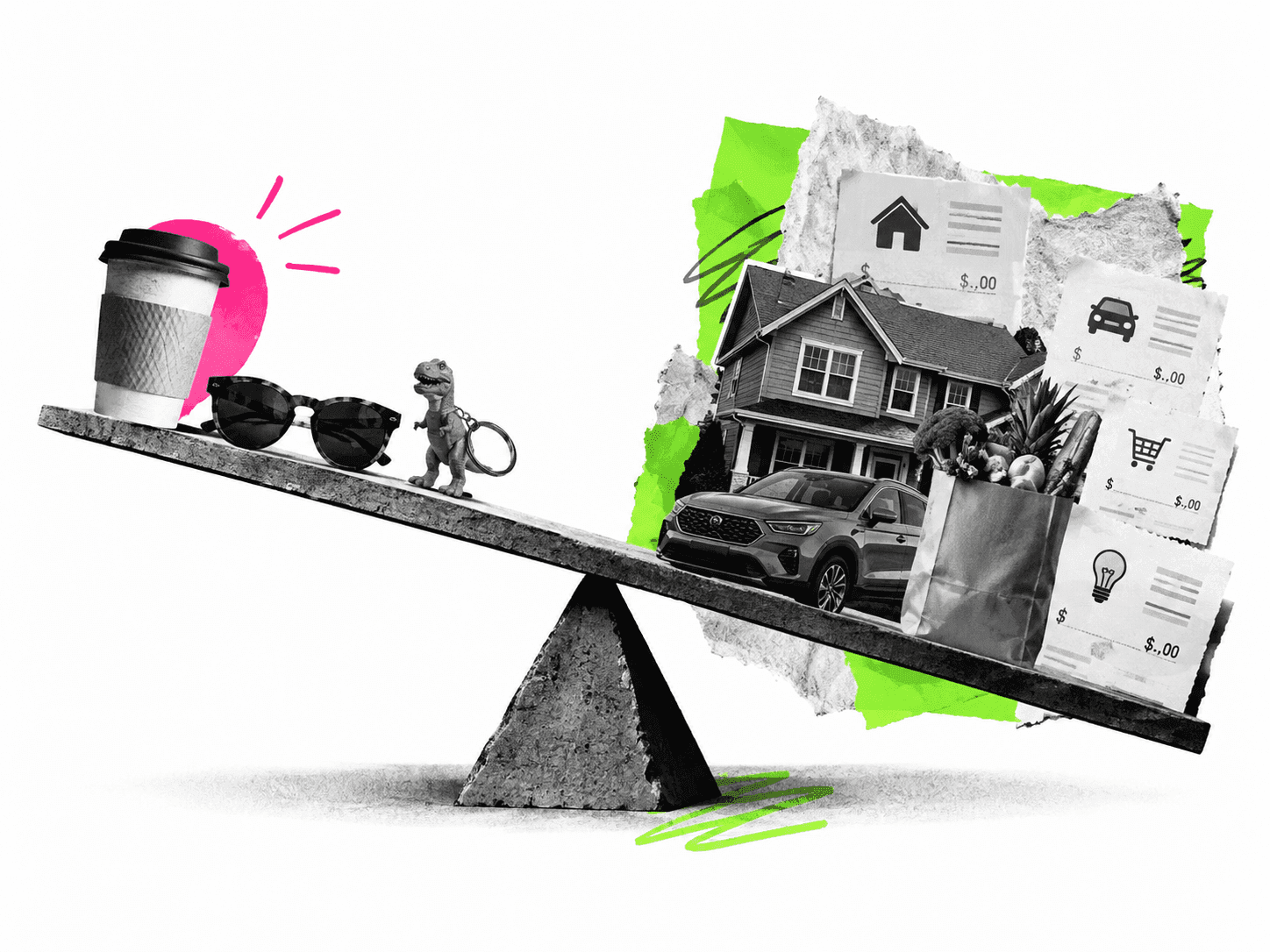
Stop Blaming the Latte: Impulse Buying Isn't the Whole Budget Story
BLS data shows apparel and entertainment spending barely moved in 2024, while car insurance, housing and groceries rose - some by double digits. Why the numbers behind the top impulse-buying articles don't hold up, and a review method that starts with the bills, not the coffee.