
Installment Loans for Bad Credit: How They Work, Pros, Cons, and Smart Comparisons
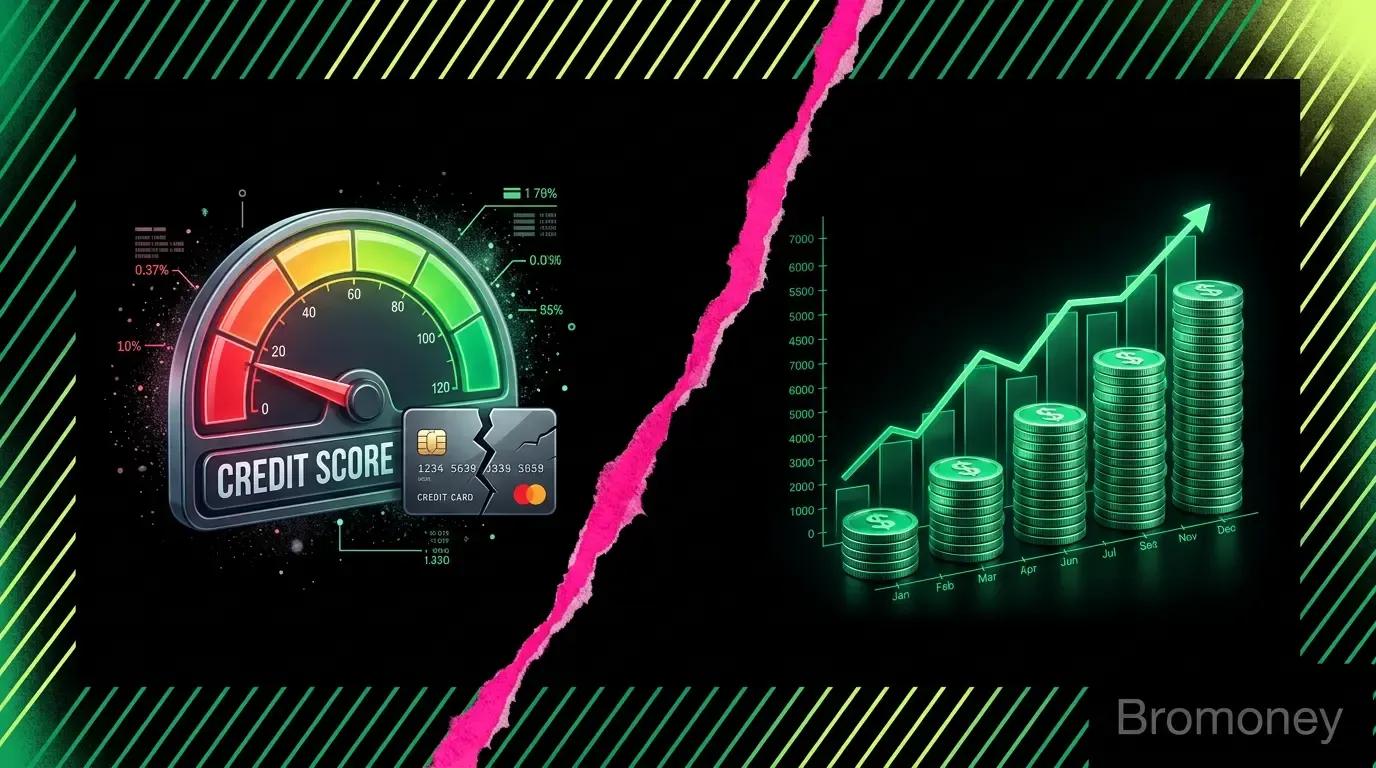
A low credit score changes the way lenders look at an application. Banks may tighten approval rules. Credit card limits may shrink. Emergency expenses can hit harder. That pressure pushes many borrowers toward an installment loan for bad credit because it offers predictable payments and fast access to cash.
Still, not every loan helps. Some lenders include high fees or unclear repayment schedules. Others structure loans in a way that can improve financial stability over time. The difference matters.
This guide breaks down how these loans function, where they help, where they fail, and how to compare offers without falling into a debt trap.
What Is an Installment Loan for Bad Credit?
An installment loan for bad credit is a fixed-sum loan repaid through scheduled monthly payments over a set period. Unlike payday loans, which often require full repayment within weeks, installment loans spread repayment across months or years.
The lender sends the approved amount upfront. The borrower repays principal plus interest in equal installments.
Common loan amounts range from $500 to $10,000. Some lenders go higher, though larger loans usually require stronger income verification.
Most bad credit installment loan products fall into these categories:
- Personal installment loans
- Emergency loans
- Online bad credit loans
- Secured installment loans
- Credit builder loans
The structure stays similar across products. The repayment timeline changes depending on the lender, loan size, and credit profile.
A borrower with a 580 credit score and stable income often qualifies for better terms than someone with recent collections and inconsistent employment history.
How Installment Loans Work
The application process looks simple on the surface. The real differences appear in the loan terms.
Many online lenders review five areas before approval:
- Credit history
- Monthly income
- Debt-to-income ratio
- Employment stability
- Banking activity
Bad credit does not automatically trigger rejection. Many lenders focus more on repayment ability than credit score alone.
After approval, funds usually arrive within one or two business days. Some lenders send money the same day.
Repayment begins according to a fixed schedule. Monthly payments stay consistent unless the loan contains variable interest terms.
Here is where many borrowers make mistakes: they focus only on approval odds and ignore the total borrowing cost. A $2,000 loan with a 36% APR costs far less than a shorter-term payday rollover cycle. But a loan carrying a 149% APR creates long-term financial pressure even with fixed payments. That distinction separates a manageable installment loan with bad credit from a dangerous debt product disguised as financial help.
Why Borrowers Choose Installment Loans Instead of Payday Loans
Borrowers with damaged credit often compare payday loans against installment financing because approval requirements overlap.
The repayment structure changes everything.
A payday lender typically expects repayment in full from the next paycheck. That setup creates rollover cycles. Fees stack up fast. Missing one payment often triggers another short-term loan. Installment loans distribute repayment across longer periods. That lowers immediate pressure on household cash flow.
Consider a borrower facing a $1,200 car repair bill. A payday lender may demand full repayment within two weeks. An installment lender spreads repayment across 12 months.
The monthly obligation becomes easier to manage even if the interest rate stays high.
The Biggest Advantages of Bad Credit Installment Loans
The strongest benefit is predictability. Fixed monthly payments help borrowers budget around rent, utilities, groceries, and transportation costs. That consistency reduces financial volatility.
Another advantage involves credit rebuilding. Many lenders report payment history to major credit bureaus. Consistent on-time payments may gradually improve credit profiles. That can create access to lower-cost borrowing later.
Borrowers also avoid the repeated renewal cycles common with payday products.
Other advantages include:
- Faster approvals than traditional bank loans
- Larger loan amounts
- Longer repayment periods
- Online applications with minimal paperwork
- Fixed interest structures
For borrowers managing emergencies, stability matters more than perfection. A structured repayment schedule gives breathing room during difficult periods.
The Risks Nobody Explains Clearly Enough
Bad credit lending carries real dangers. Some lenders market installment products aggressively while hiding excessive fees inside the agreement. Borrowers focused on approval speed often overlook those details.
The biggest warning signs include:
- Triple-digit APRs
- Origination fees above 10%
- Mandatory add-on insurance products
- Prepayment penalties
- Automatic refinancing offers
Another problem involves loan stacking. A borrower takes one installment loan, struggles with payments, then opens another loan to cover the first balance. Debt expands faster than income.
Online lenders also vary widely in legitimacy. Some operate transparently. Others use confusing language designed to obscure total repayment costs.
Secured vs. Unsecured Installment Loans
Borrowers often encounter two versions of installment financing: secured and unsecured.
An unsecured loan requires no collateral. Approval depends mainly on income and credit history.
A secured loan ties the agreement to an asset such as a vehicle, savings account, or title. Because the lender carries lower risk, interest rates sometimes drop.
The tradeoff is serious. Missing payments on a secured loan risks asset seizure. Car title installment loans create particular problems because borrowers depend on transportation for work and daily life.
For borrowers with poor credit, unsecured loans usually provide safer long-term flexibility even if rates run higher.
How Lenders Decide Approval
Many borrowers assume credit score drives every decision. That used to be true with traditional banks. Online installment lenders now use broader underwriting models.
Income consistency often matters more than a perfect score.
Lenders want evidence that monthly payments fit realistically inside the borrower's budget.
Strong approval factors include:
- Stable employment
- Direct deposit history
- Low recent overdraft activity
- Consistent income patterns
- Moderate existing debt obligations
Some lenders also accept alternative income sources such as freelance work, disability benefits, or retirement income.
That flexibility explains why borrowers sometimes get approved for an installment loan with bad credit even after multiple bank rejections.
APR vs. Monthly Payment: The Comparison Mistake
Many borrowers compare loans using only the monthly payment amount. That approach creates expensive outcomes. A lower monthly payment often stretches the repayment timeline and increases total interest paid.
Consider two offers:
- Loan A carries a $140 monthly payment over 12 months
- Loan B carries a $90 monthly payment over 36 months
Loan B feels cheaper each month. The total repayment cost often ends much higher.
APR tells the fuller story because it combines interest and lender fees into one annualized number.
A borrower comparing bad credit installment loan options should always review:
- APR
- Total repayment amount
- Repayment length
- Late fees
- Origination fees
Those five details reveal the real cost.
Online Lenders vs. Traditional Banks
Traditional banks rarely approve borrowers with weak credit profiles unless collateral or co-signers enter the equation.
Online lenders fill that gap. Digital lending platforms use automated underwriting systems that evaluate income patterns, account activity, and employment data alongside credit history.
That approach speeds up decisions and expands approval access. Still, convenience creates another problem: aggressive marketing.
Some lenders advertise "guaranteed approval" claims designed to attract desperate borrowers. Legitimate lenders usually cannot promise approval before reviewing financial information. The safer approach involves comparing multiple lenders instead of accepting the first offer.
When an Installment Loan Makes Sense
An installment loan with bad credit works best under specific conditions.
Good use cases include:
- Emergency medical bills
- Urgent vehicle repairs
- Consolidating higher-interest debt
- Preventing utility shutoffs
- Covering short-term income gaps
The loan solves a temporary cash problem while preserving longer-term financial stability. The worst use cases involve discretionary spending.
Financing vacations, luxury purchases, gambling activity, or speculative investments with high-interest debt creates financial strain that lasts far beyond the initial purchase. Borrowers already struggling with monthly obligations should also pause before adding new debt.
A loan fixes liquidity problems. It does not fix structural income shortages.
How to Improve Approval Odds
Borrowers searching for an installment loan for bad credit approval often overlook small details that influence lender decisions.
Three strategies consistently improve outcomes.
First, reduce existing debt utilization before applying. Paying down revolving balances strengthens debt-to-income ratios.
Second, verify all income documentation in advance. Missing documents delay approvals and increase rejection risk.
Third, apply selectively.
Submitting applications across too many lenders within short periods creates repeated hard inquiries on credit reports.
Some lenders also offer prequalification tools using soft credit checks. Those systems estimate approval odds without affecting credit scores.
That step helps borrowers compare terms safely before committing.
Alternatives Worth Considering First
An installment loan is not always the strongest solution.
Several alternatives carry lower borrowing costs:
- Credit union small-dollar loans
- Employer paycheck advances
- Medical payment plans
- Nonprofit financial assistance programs
- Secured credit builder loans
- Borrowing from retirement savings under hardship rules
Credit unions deserve special attention. Many offer lower APR caps and more flexible underwriting than online lenders.
Borrowers with stable income but weak credit histories often find better long-term outcomes through local credit unions instead of high-cost digital lenders.
The Bottom Line
A bad credit installment loan sits in a complicated middle ground.
Used carefully, it provides structured repayment, emergency funding, and a path toward rebuilding credit history. Used carelessly, it becomes another layer of expensive debt.
The strongest borrowers focus less on fast approval and more on repayment sustainability.
That means reviewing APR carefully, calculating total repayment cost, avoiding rollover behavior, and choosing lenders with transparent terms.
Lenders approve thousands of borrowers with weak credit every day. Approval alone should never define success. The real goal is finishing repayment without creating a larger financial problem six months later.
Borrowers who approach installment lending strategically usually protect both short-term cash flow and long-term financial recovery.
Frequently Asked Questions
Can someone get an installment loan with bad credit and no collateral?
Yes. Many online lenders offer unsecured installment loans based on income and repayment ability rather than collateral. Interest rates usually run higher than secured loans.
Does applying hurt credit scores?
A formal application often triggers a hard inquiry. Some lenders offer prequalification with soft credit checks first. Soft checks do not affect credit scores.
What credit score qualifies for a bad credit installment loan?
Many lenders work with borrowers below 600. Some accept scores in the low 500s if income remains stable and debt levels stay manageable.
How fast do lenders send funds?
Many online lenders transfer funds within one business day after approval. Some same-day funding programs exist for borrowers who complete verification early in the day.
Are installment loans safer than payday loans?
In many cases, yes. Installment loans usually provide fixed monthly payments and longer repayment periods. Payday loans often create rollover debt cycles with repeated fees.

Denis Goncharenko
Head of Content
Editorial Policy: no secondary statistics. Every claim is linked to an official source and dated — datasets and methods are open for review.
Was this article helpful?
Same blogs
"Easiest Loan to Get With Bad Credit" Decoded: What That Phrase Usually Really Means
Easy approval rarely signals low risk for borrowers—it signals low risk for lenders through higher costs and stricter terms.
APR vs. Interest Rate: Why APR Matters More When Comparing Loans
Discover why APR reveals the true cost of borrowing better than interest rates alone, especially for bad credit loans.

Bad Credit Loans by Goal – Know These Red Flags, and Legit Checks
Learn how to match bad credit loans to your specific goal and avoid scams with expert verification strategies.