


How to Consolidate Debt: Pay Creditors Yourself vs Direct Pay
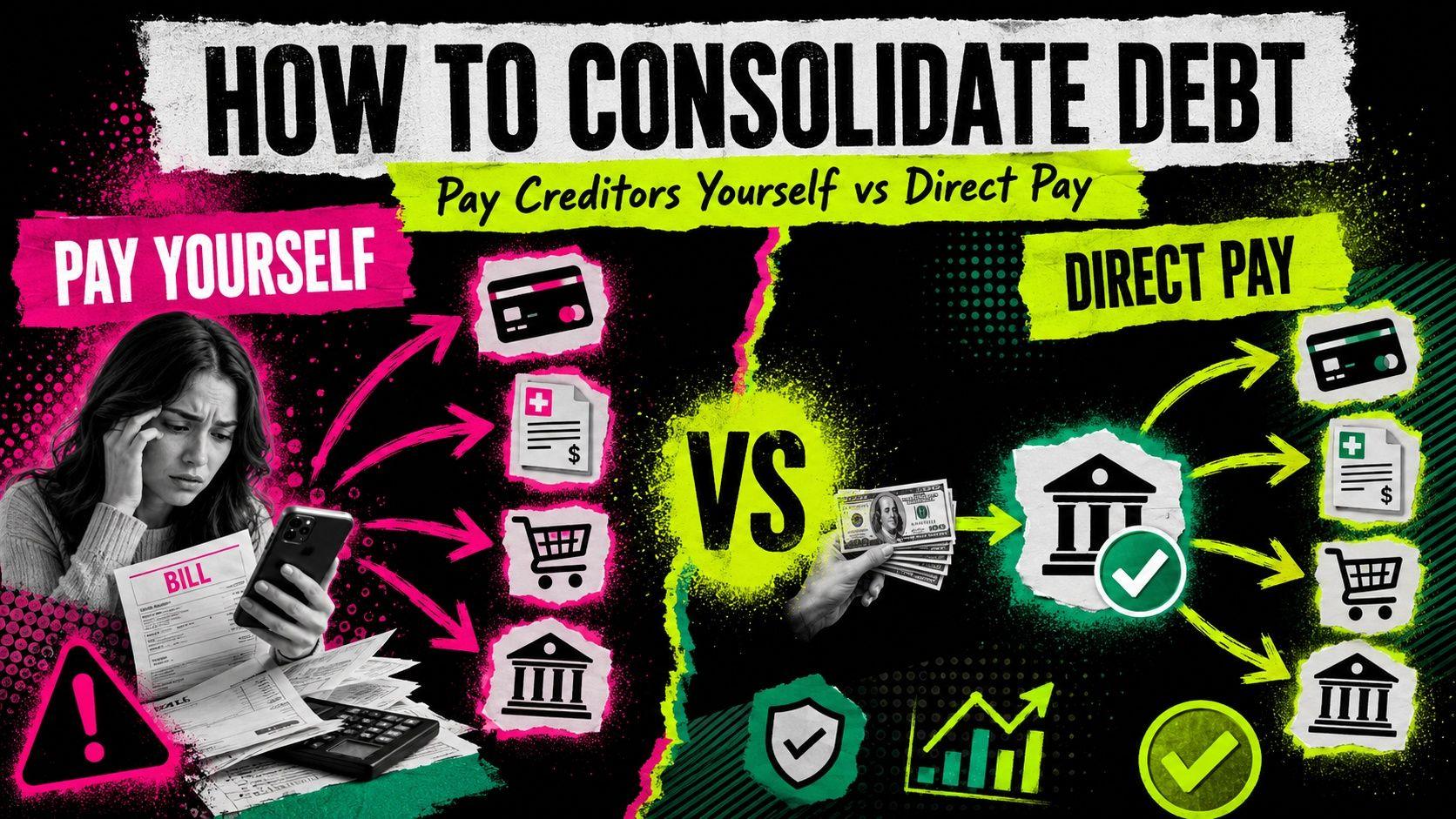
Debt consolidation sounds simple on paper: combine several balances into one new loan, then use that loan to pay off credit cards, medical bills, or other unsecured debts. The harder part starts before the first payment. A borrower has to decide whether to pay creditors personally or choose a lender that sends funds directly to creditors.
That choice matters more than many people think. It affects temptation, timing, credit utilization, account status, and the odds that the plan works after the loan funds. A consolidation loan does not erase debt. It changes the structure of the debt. Done with discipline, it simplifies repayment and cuts interest costs. Done without a payoff plan, it turns old balances into a new loan while the old cards start filling up again.
As household debt keeps rising, the stakes are real. The Federal Reserve Bank of New York reported total U.S. household debt at $18.8 trillion in the first quarter of 2026. Credit cards remain a pressure point for many households, and personal loans have become a common tool for borrowers trying to replace revolving balances with fixed payments.
This guide explains how debt consolidation works, how to do debt consolidation with less risk, and how to compare paying creditors yourself with direct pay from the lender.
What Debt Consolidation Actually Does
Debt consolidation combines multiple debts into one payment. The new loan pays off selected existing balances. After that, the borrower repays the new loan under one rate, one term, and one monthly due date.
The common use case is credit card debt. Credit cards charge variable interest and allow repeated borrowing. A personal loan usually has a fixed rate, fixed payment, and fixed payoff date. That structure helps because the balance declines when payments stay on schedule.
Debt consolidation works best when three conditions line up. The new rate is lower than the average rate on the old debts. The monthly payment fits the budget. The paid-off cards stay at zero or are used only for planned purchases paid in full.
The phrase how to debt consolidation appears in search data because people often look for a quick answer during stress. The cleaner question is how to consolidate debt without creating a second debt problem. The answer starts with numbers, not with a loan application.
Pay Creditors Yourself vs Direct Pay: The Core Difference
With self-pay consolidation, the lender deposits the loan proceeds into the borrower's bank account. The borrower then sends payments to each creditor.
With direct pay consolidation, the lender sends funds straight to the creditors listed in the application. Some lenders pay credit card issuers electronically. Others send checks. The borrower receives only leftover funds, if any.
Both methods can work. The right choice depends on discipline, timing, creditor details, and the lender's process.
Self-pay gives control. Direct pay gives guardrails. Control helps when balances change fast, or a payoff amount needs special handling. Guardrails help when access to a large cash deposit creates risk.
Option 1: Paying Creditors Yourself
Self-pay consolidation gives the borrower full responsibility for the payoff process. After approval and funding, the loan proceeds arrive in the bank account. The borrower logs in to each creditor account, requests payoff details, and sends payments.
This method works well for organized borrowers who track balances and due dates. It also helps when a creditor requires a special payoff amount or when the borrower wants to choose the exact payment date.
The main advantage is flexibility. A borrower can pay one card today, wait for a pending charge to post, and pay another card two days later. That can prevent small leftover balances. It also allows the borrower to pay accounts in a chosen order, such as cards near the credit limit first.
The risk is behavioral. A large deposit can look like available money. Rent is due, a car repair appears, or a family emergency hits. The payoff plan gets delayed. Then the borrower has the new consolidation loan plus the old credit card balances.
Another risk is timing. Credit card interest accrues daily. If the borrower uses a statement balance instead of a current payoff balance, a small residual balance remains. That leftover balance generates another bill. Miss that bill, and the account reports are late.
Self-pay also requires proof of payoff in some situations. Certain lenders offer a rate discount only when they pay creditors directly. Some lenders also verify that old balances have dropped. If the borrower fails to complete the payoff, the consolidation strategy loses its purpose.
Option 2: Direct Pay Through the Lender
Direct pay removes the most common failure point. The borrower provides creditor names, account numbers, payoff amounts, and payment addresses when applying or after approval. The lender sends funds to those creditors.
This method helps borrowers who want structure. It also helps lenders because the loan proceeds serve the stated purpose. Some lenders reward lower risk with a rate discount, larger loan amount, or smoother approval path.
Direct pay has a psychological advantage. The money never sits in the checking account. The borrower does not have to decide whether to pay the card or cover another expense. The loan replaces the old debt immediately, subject to processing time.
Direct pay also creates a cleaner paper trail. The lender's records show where the money went. That helps when the borrower needs proof that the consolidation happened.
The tradeoff is less flexibility. The lender's payoff process may take several business days. During that time, interest continues to accrue on credit cards. If the payoff amount is slightly short, the borrower still needs to handle a residual balance. If a creditor account number is entered incorrectly, payment can be delayed.
Direct pay also does not solve spending behavior. Once the credit cards show zero balances, the available credit returns. That feels like breathing room. Without a card-use rule, the borrower starts charging again. Then the household carries a consolidation loan plus renewed credit card debt.
Which Method Is Safer?
Direct pay is safer for most borrowers because it reduces the chance that loan proceeds get used for something else. That said, safer does not always mean better.
Self-pay fits borrowers who have strong cash controls, detailed payoff amounts, and a reason to manage payments personally. Direct pay fits borrowers who want accountability, faster execution, and fewer moving parts.
The decision becomes clearer with one practical test: would the loan proceeds still be in the bank account after five days? If the honest answer is yes because payments are scheduled and tracked, self-pay is reasonable. If the answer involves stress, bills, or uncertainty, direct pay is the better route.
How to Do Debt Consolidation the Right Way
A debt consolidation plan should start before any lender pulls credit. First, list every debt that belongs in the plan. Include creditor name, balance, APR, minimum payment, due date, and whether the rate is fixed or variable.
Next, decide which debts to consolidate. High-interest credit cards usually belong in the plan. Federal student loans require more caution because refinancing or consolidating into a private loan can remove federal protections. Secured debts also need special review because collateral changes the risk.
Then compare the current cost with the new loan. The important number is not only the monthly payment. A lower monthly payment with a longer term can cost more over time. The loan should improve total interest cost, repayment structure, or both.
Use this simple checklist before accepting an offer:
- Confirm the APR, origination fee, monthly payment, repayment term, late fee, and prepayment rules.
- Compare the total repayment cost against keeping the current debts.
- Ask whether the lender offers direct pay and whether it changes the rate.
- Get payoff amounts from creditors close to the funding date.
- Set card-use rules before balances hit zero.
This is how to do debt consolidation with a clear decision path. The loan is only one piece. The payoff process, budget, and card rules determine the result.
How to Get Debt Consolidation Loan Approval
Borrowers searching how to get debt consolidation loan approval often focus only on their credit score. Score matters, but lenders also review income, debt-to-income ratio, credit history, payment behavior, and recent credit applications.
A stronger application starts with accurate credit reports. Check reports before applying. Dispute clear errors. Pay down small balances when possible. Avoid new credit applications during the weeks before the consolidation loan request.
Income documentation also matters. Lenders want proof that the new payment fits. W-2 workers usually provide pay stubs. Self-employed borrowers often need bank statements, tax returns, or profit-and-loss records.
The debt-to-income ratio deserves special attention. A borrower with high credit card balances but a steady income may qualify. A borrower with the same balances and unstable income faces a harder approval path. The lender needs evidence that the new loan lowers risk rather than delays default.
Getting a debt consolidation loan also requires choosing the right loan size. Borrow only enough to pay targeted balances and required fees. Extra cash increases the payment and weakens the plan. A consolidation loan should close a chapter, not create spending room.
What Happens to Credit Scores?
Debt consolidation affects credit in several ways. The application can create a hard inquiry. Opening a new loan lowers the average age of accounts. Those effects are often temporary.
The larger credit score benefit comes from lowering credit card utilization. If a consolidation loan pays down revolving credit card balances, utilization drops. That can help scores, especially when cards were near their limits.
Payment history remains the largest factor. A consolidation loan helps only when the borrower pays on time. One missed payment can damage the benefit of lower utilization.
Closing paid-off credit cards is not always wise. Keeping old cards open can support credit history and available credit. The better move is often to leave cards open, remove them from digital wallets, and use one card for a small recurring bill paid in full.
Debt Consolidation vs Debt Settlement
Debt consolidation and debt settlement are not the same. Consolidation repays debts in full through a new loan or structured program. Debt settlement tries to negotiate lower payoff amounts, often after accounts become delinquent.
Debt settlement carries a higher risk. The CFPB warns that settlement companies often charge expensive fees and may encourage people to stop paying creditors. That can lead to late fees, penalty interest, collection activity, lawsuits, and credit damage. Some creditors refuse to work with settlement companies.
The FTC also restricts many debt relief companies from charging fees before they settle or reduce a debt under the Telemarketing Sales Rule. A company that demands large upfront fees deserves caution.
Debt consolidation fits borrowers who can repay the full debt with a better structure. Debt settlement fits a narrower set of hardship cases and needs careful review. Anyone current on accounts should not stop paying because a sales representative promised savings.
When Direct Pay Is the Better Choice
Direct pay fits borrowers who want the consolidation loan to do exactly one job: eliminate selected balances. It is also useful when previous attempts failed because money intended for the payoff went elsewhere.
Direct pay is often the better choice when the borrower has more than three credit cards, balances near credit limits, or a history of carrying balances again after payoff. It also helps when a lender offers a rate discount for direct creditor payment.
This method creates momentum. Old balances drop, the new payment starts, and the borrower sees one clear due date. Less friction matters when debt stress already consumes attention.
Still, direct pay needs follow-up. After the lender sends payments, the borrower should check each creditor account. Confirm the payment posted. Pay any residual interest. Download proof of payoff. Then set every paid card to autopay the statement balance or lock the card away.
When Self-Pay Makes Sense
Self-pay works for borrowers who want precision. Some creditors update payoff amounts daily. Some accounts include pending transactions. Some medical bills require payment through a portal that a lender cannot access. In those cases, self-pay keeps the borrower in control.
Self-pay also works when the loan covers only part of the debt strategy. A borrower might use the loan to pay two high-interest cards, then use cash flow to attack a third balance. Direct pay systems do not always handle that nuance.
The key is speed. The borrower should create a payoff calendar before funding. Every payment should leave the account within one or two business days. Confirmation numbers should be saved in a single folder.
Self-pay requires a written rule: the loan proceeds are not emergency savings. They are already spent. The money belongs to creditors the moment it arrives.
Common Mistakes That Break a Consolidation Plan
The first mistake is focusing on payment instead of total cost. A lower payment feels easier, but a long term can increase total interest. The loan should either lower the APR, create a fixed payoff date, or improve cash flow without raising total cost too much.
The second mistake is leaving cards active without rules. A zero balance is not a raise. It is a reset. Paid-off cards need limits, alerts, and autopay.
The third mistake is consolidating before fixing the budget. If monthly expenses still exceed income, the new loan only buys time. A working plan needs room for the loan payment, essentials, irregular bills, and an emergency buffer.
The fourth mistake is ignoring fees. Origination fees reduce the cash available for payoff. A $20,000 loan with a 5% origination fee may deliver only $19,000. That gap matters when the goal is to pay creditors in full.
A Simple Decision Framework
Choose direct pay when discipline is uncertain, when the lender offers a better rate, or when several credit cards need payoff. Choose self-pay when creditor payoff details require manual handling, when timing matters, or when the borrower has a proven system for sending payments right away.
Before signing, compare the loan against the current debt. The new loan should answer four questions clearly: Which debts get paid? When do they get paid? What is the total repayment cost? What rule prevents new card balances?
If any answer is vague, pause. A consolidation loan should reduce confusion, not add another account to manage.
Final Takeaway
Debt consolidation is not a shortcut. It is a restructuring tool. The payoff method determines whether the tool creates order or adds risk.
Direct pay gives guardrails and suits most borrowers who want clean execution. Self-pay gives flexibility and suits borrowers who handle details fast. Both methods require the same foundation: accurate balances, a realistic payment, lower total cost, and a firm rule against rebuilding credit card balances.
The best consolidation plan does not end when the old balances hit zero. It ends when the new loan is paid off, and the borrower has a system that keeps debt from returning.
Frequently Asked Questions
Is direct pay better than paying creditors yourself?
Direct pay is better for many borrowers because it sends loan funds straight to creditors. That reduces temptation and speeds up the payoff process. Self-pay works when the borrower needs more control and sends payments right after funding.
How to do debt consolidation without hurting credit?
Pay every account on time, keep paid-off credit cards open when possible, and avoid adding new balances. A hard inquiry and a new loan can affect scores at first. Lower credit card utilization and on-time payments help over time.
How to get a debt consolidation loan approval?
Check credit reports, reduce small balances, avoid new applications, and prepare proof of income. Lenders review credit score, income, debt-to-income ratio, payment history, and loan size.
Is getting a debt consolidation loan worth it?
Getting a debt consolidation loan is worth it when the new loan lowers interest costs, creates a fixed payoff date, and fits the budget. It is not worth it when the payment is lower only because the term stretches too long, or when paid-off cards will be used again.

Denis Goncharenko
Head of Content
Editorial Policy: no secondary statistics. Every claim is linked to an official source and dated — datasets and methods are open for review.

Was this article helpful?
Same blogs
What Average Household Expenses Show About Price Pressure - and What They Can't
The average US consumer unit spent $78,535 in 2024 - about $6,545 a month. This page sets that spending record against the price indexes for the same two years, category by category, using our own CE-CPI crosswalk, and states plainly what the figures cannot show.
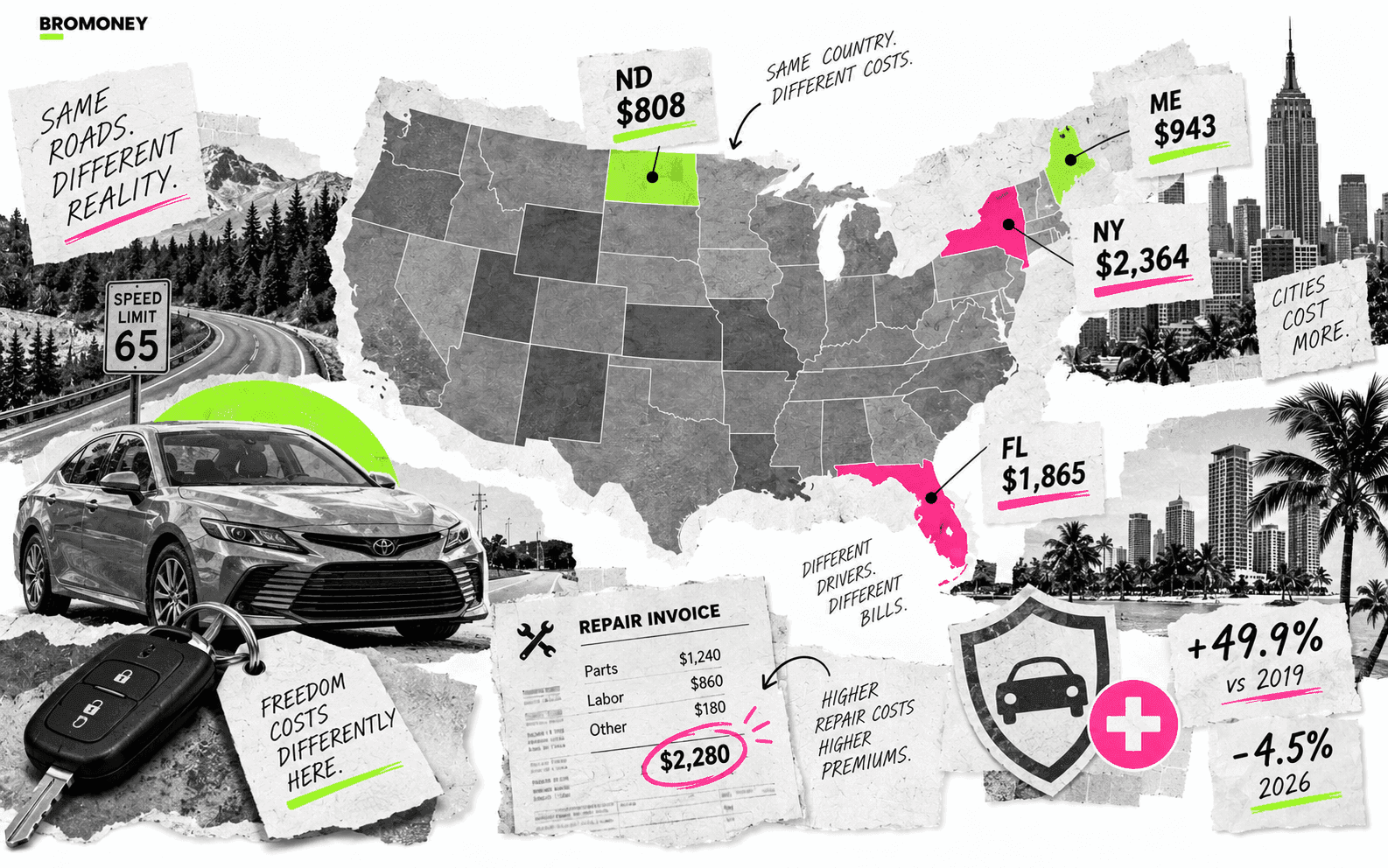
Why Car Insurance Went Up and What Actually Moves the Premium
Car insurance spending rose 12.3 percent in 2024, one of only two costs BLS called statistically significant. NAIC's 2023 state averages, why rates are falling even as the level sits 49.9 percent above 2019, what actually drives claims costs, and which levers on your policy are worth checking.
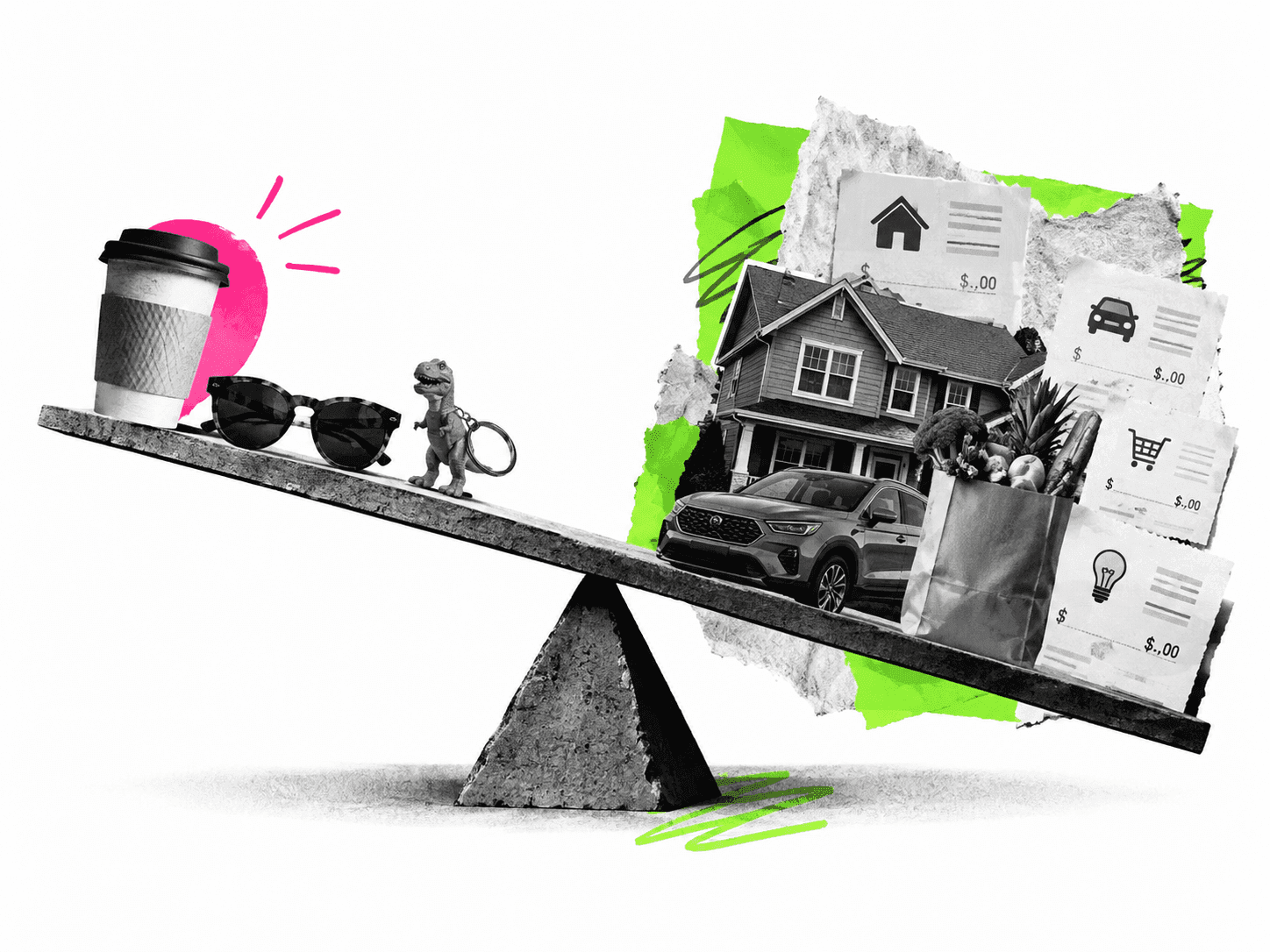
Stop Blaming the Latte: Impulse Buying Isn't the Whole Budget Story
BLS data shows apparel and entertainment spending barely moved in 2024, while car insurance, housing and groceries rose - some by double digits. Why the numbers behind the top impulse-buying articles don't hold up, and a review method that starts with the bills, not the coffee.